Ringworm - Symptoms, Causes and Effective Treatments
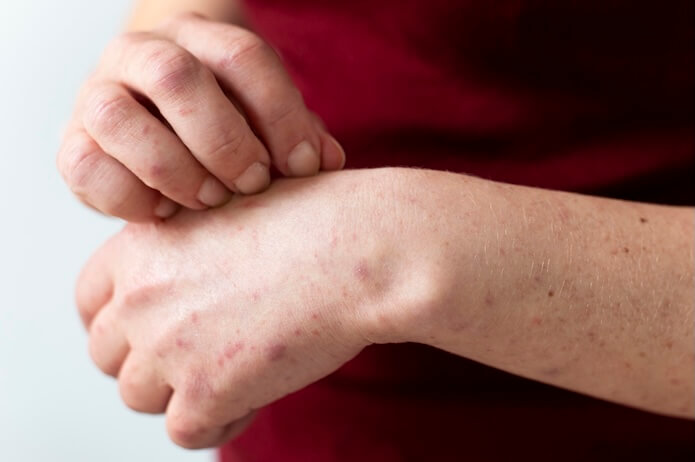
Fungus of the skin, also known as dermatophytosis or mycoses of the skin, is one of the most common skin infections affecting people worldwide. Fungal infections are widespread and can affect different parts of the body, causing discomfort, itching and skin lesions. Although in most cases ringworm does not cause serious health problems, it can be chronic and difficult to treat if not diagnosed and treated early.
Fungus of the skin, also known as dermatophytosis or mycoses of the skin, is one of the most common skin infections affecting people worldwide. Fungal infections are widespread and can affect different parts of the body, causing discomfort, itching and skin lesions. Although in most cases ringworm does not cause serious health problems, it can be chronic and difficult to treat if not diagnosed and treated early.
What is a skin fungus?
Ringworm is an infection caused by fungi such as dermatophytes, yeasts, or molds that feed on keratin, a protein found in skin, hair, and nails. Infection occurs when these fungi get on the skin and begin to multiply, especially in moist and warm environments.
Fungal infection biology of the skin
- Features of fungi: dermatophytes and yeasts live in moist, dark places, such as between the toes, in the groin, or under the nail plates.
- Triggers: the most common fungi that cause skin infections are Trichophyton,Microsporum,Epidermophyton and Candida albicans.
- Life cycle: the fungus reproduces by producing spores that can survive on the skin or surrounding surfaces for months.
Why is ringworm so common?
Fungi are natural components of microorganisms that live on human skin and the environment.
Infections occur when:
- Fungi multiply too quickly.
- The immune system is unable to control the growth of fungi.
- A humid environment promotes their spread.
Types of skin fungus and their localization
Fungal skin infections are classified by their location and causative agent. They can affect almost any part of the body.
Foot fungus (Tinea pedis)
- Also known as "athlete's foot".
- Localized between the toes, in the area of the soles of the feet and on the edges of the feet.
- Symptoms: itching, burning, scaling, cracks and sometimes blisters.
- The most common risk factors: wearing shoes for a long time, sweating, walking barefoot in public places such as gyms or swimming pools.
Ringworm (Tinea cruris)
- Affects the groin, inner thighs and buttocks.
- Symptoms: red, scaly patches that are often itchy and burning.
- More common: men and overweight people.
Nail fungus (Onychomycosis)
- Affects the nail plates of the fingers or toes.
- Symptoms: nail thickening, yellowish or brownish tint, brittle and cracking nails.
- Complications: loss of nails, spread of infection to other parts of the body.
Scalp fungus (Tinea capitis)
- Common in children and adolescents.
- Symptoms: scaly patches, hair loss, inflammation and sometimes painful sores.
Body fungus (Tinea corporis)
- Appears as round, red spots with scaly edges, often with a clear center.
- Any part of the body can be affected, including the chest, back and abdomen.
Yeast (Candida Infections)
- Israel: Candida albicans.
- Affects moist areas of the body, such as under the breasts, armpits or groin.
- Symptoms: white or red spots that are moist and often painful.
Interdigital tinea
- Common between the fingers or toes.
- Symptoms: itching, cracks and wetness between the fingers.
Causes and risk factors of ringworm
Causes:
- Direct infection: contact with an infected person, animal or surface.
- Distribution of fungal spores: spores that persist in shoes, socks, or wet areas such as shower stalls.
- Immune system imbalance: weakened immunity promotes the growth of fungi.
Risk factors:
- Humid and warm climate: an ideal environment for the growth of fungi.
- Lack of personal hygiene: infrequent washing or insufficient drying of the skin.
- Chronic diseases: diabetes, obesity and circulatory problems.
- Synthetic clothing: synthetic materials trap moisture and promote fungal growth.
Symptoms
Symptoms of ringworm can be varied and vary depending on the type and location of the infection.
Main symptoms:
- Itching: intense itching that worsens in a moist environment.
- Redness: red or sore spots.
- Scaling: dry, scaly skin in affected areas.
- Cracks and erosions: moist cracks between the fingers or on other parts of the body.
- Deformed nails: nail thickening, brittleness and discoloration.
- Scaly patches: in the case of body fungus, ring-shaped lesions appear.
When to see a doctor?
- The affected area enlarges or becomes painful.
- Signs of secondary infection appear (pus, swelling, fever).
Diagnostics
Although many fungal infections can be diagnosed based on symptoms, accurate diagnosis may be necessary in chronic or complex situations.
Diagnostic methods:
- Clinical examination: a dermatologist examines skin lesions using a dermatoscope.
- KOH tests: a sample of skin or nail is examined under a microscope after treatment with potassium hydroxide.
- Culture: growing fungi in the laboratory to determine the specific causative agent.
- Biopsy: is rarely performed when it is necessary to rule out other skin diseases.
- Blood tests: assess immune system status or other underlying medical conditions.
Treatment methods
Treatment of fungal skin infection includes topical and systemic therapy tailored to the type and severity of the infection.
Local treatment
- Antifungal creams and ointments: terbinafine, clotrimazole, miconazole.
- Powders: reduces moisture and itching, especially in athlete's foot.
- Shampoos: used to treat scalp fungus (such as ketoconazole shampoos).
Oral treatment
- Antifungal tablets: fluconazole, itraconazole, terbinafine.
- Indications: severe or widespread infections, nail fungus or scalp fungus.
Complementary therapies
Physical methods
- Laser therapy: used to treat nail fungus.
- Cryotherapy: less often used in case of specific fungal damage.
Prevention
Prevention is important to prevent recurrence and spread of infection.
Practical preventive measures:
- Personal hygiene:
- Wash regularly and dry your skin thoroughly.
- Change your socks and shoes every day.
- Shoe care: use shoes that promote air circulation and disinfect them.
- Public places: always wear slippers in gyms and pools.
- Strengthening immunity: balanced diet and regular physical activity.
- Avoiding common subjects: do not share towels, shoes or nail clippers.
Long-term management and lifestyle recommendations
Fungal skin infections can recur, especially in people with chronic illnesses or immune system problems. It is important to pay attention to both treatment and lifestyle changes.
Long-term recommendations:
- Visit a dermatologist regularly.
- Use prophylactic antifungals during high-risk periods.
- Avoid prolonged humidity or perspiration.
Conclusions
Ringworm is a common and treatable disease if diagnosed early and treated properly. Knowing about its symptoms, triggers and treatment options can help you deal with the problem quickly and prevent complications. Prevention is important to reduce the risk of recurrence and maintain long-term skin health. If you suspect a skin fungus or the symptoms do not go away, do not hesitate to consult a dermatologist.