Skin cancer - how to recognize it early and protect yourself from the dangers?
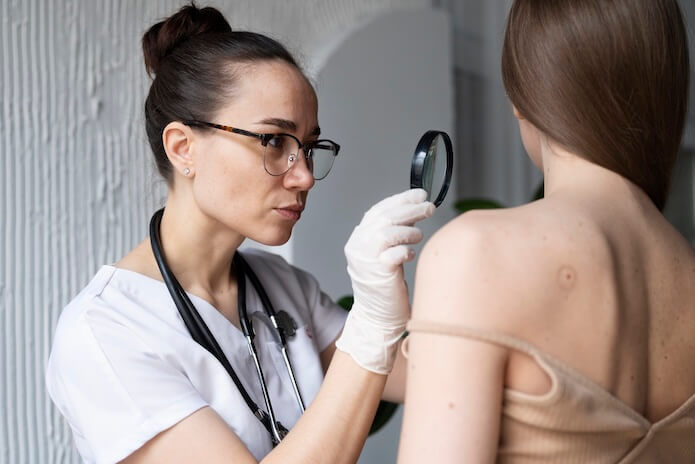
Skin cancer is the most common type of cancer in the world and its incidence continues to increase. It affects people of any age, although it is more common in the elderly and those with frequent sun exposure. This disease occurs when skin cells experience DNA damage and begin to grow out of control, forming tumors.
Skin cancer is the most common type of cancer in the world and its incidence continues to increase. It affects people of any age, although it is more common in the elderly and those with frequent sun exposure. This disease occurs when skin cells experience DNA damage and begin to grow out of control, forming tumors. Although many skin cancers have a good prognosis, early diagnosis and treatment are essential to prevent complications and reduce the risk of mortality.
What is skin cancer?
Skin cancer is a disease that occurs when skin cells begin to multiply uncontrollably and form tumors. These cellular changes are usually caused by DNA damage, often promoted by ultraviolet (UV) radiation from the sun or tanning beds. Skin cancer can affect any layer of the skin, but it most often occurs in the epidermis, the outer layer of the skin.
Health effects of skin cancer
- It can cause cosmetic problems, emotional stress and physical pain, especially in advanced cases.
Types of skin cancer and their characteristics
Basal cell carcinoma
Characteristic features:
- A small, nacreous nodule, often with a vascular network.
- A non-healing ulcer that may be scaly or crusted.
- Localizes in areas exposed to the sun, such as the face, neck, hands.
Forecasts:
- A slow-growing tumor that rarely metastasizes.
- Well treatable if diagnosed early.
Squamous cell carcinoma
Characteristic features:
- Red or scaly patches.
- Bitter nodules with scabs or ulcers.
- Localized on the face, neck, scalp, hands or other sun-damaged areas.
Forecasts:
- Can be aggressive if untreated.
- Early treatment significantly improves the prognosis.
Melanoma
Melanoma is the most dangerous type of skin cancer that arises from melanocytes, the cells that produce the pigment melanin. It accounts for only about 1% of all skin cancers, but is responsible for the majority of skin cancer-related deaths.
Characteristic features (ABCDE method):
- A (asymmetry): irregular shape.
- B (boundaries): irregular, fuzzy edges.
- C (color): uneven color with different shades.
- D (diameter): diameter exceeds 6 mm.
- E (evolution): damage changes over time.
Forecasts:
- Quickly spreads to other parts of the body (metastasizes).
- Early diagnosis and treatment significantly improve the chances of survival.
Less common types:
- Merkel cell carcinoma: a rare but very aggressive tumor that often appears in the head or neck area.
- Kaposi's sarcoma: usually associated with HIV/AIDS or immunosuppression.
- Cutaneous lymphoma: lymphocytic cancer of the skin that causes itchy, red patches.
Skin cancer causes and risk factors
The development of skin cancer is caused by various factors that mainly damage the DNA of skin cells.
Main causes:
- Ultraviolet radiation (UV): excessive sun exposure or use of tanning beds.
- DNA mutations: changes in the genetic material of cells that interfere with the normal functioning of cells.
- Harmful chemicals: exposure to arsenic or other carcinogens.
Risk factors:
- Skin Type: people with light skin, light hair and blue eyes are particularly susceptible.
- Family history: a medical history of family members increases the risk.
- Number of birthmarks: a large number or atypical moles are a risk factor.
- Chronic damage: chronic skin lesions or infections can contribute to the development of cancer.
Symptoms of skin cancer
Symptoms can vary depending on the type and stage of cancer, but there are some common signs to look out for.
Common symptoms:
- Changes in moles or spots (change in shape, size, color).
- Non-healing wounds or ulcers.
- Itching, bleeding, or pain in the mole.
- Scaly, rough patches that won't go away.
Additional signs of melanoma:
- Rapidly growing dark spots.
- Lesions with a multicolored or uneven appearance.
Diagnostics
Early diagnosis is essential for successful treatment. Dermatologists use several diagnostic methods.
Diagnostic methods:
- Dermatoscopy: a special magnifying device that helps examine the skin lesion.
- Skin biopsy: partial or complete removal of a suspicious area for analysis.
- Imaging methods: CT, MRI, or PET scan for melanoma progression.
- Molecular tests: analysis for specific gene mutations.
Treatment options
Treatment depends on the type of cancer, its stage and the general health of the patient.
Surgical methods:
- Excision: Tumor removal with a margin of healthy skin.
- Mohs Microscopic Surgery: A precise method that preserves healthy tissue.
Radiotherapy:
- Used in cases where the tumor cannot be completely removed surgically.
Immunotherapy:
Targeted therapy:
- Used in cases of melanoma with specific gene mutations.
Photodynamic therapy:
- Light therapy that destroys superficial tumors.
Chemotherapy:
- Less commonly used, but effective in advanced cases.
Prevention and early detection
Prevention is essential to reduce the risk of skin cancer.
Preventive measures:
- Sun protection: use SPF 30+ and avoid direct sunlight.
- Protective clothing: hats, sunglasses and long sleeves.
- Regular self-check: look out for changes in moles or spots.
- Avoiding tanning beds: artificial UV radiation significantly increases the risk.
Conclusions
Skin cancer is one of the most common and easily preventable forms of cancer if prevention and early diagnosis are followed. Regular examinations by a dermatologist, self-examination of the skin and proper protective measures can significantly reduce the risk of disease. Remember, if you notice changes in your skin, do not delay in seeking professional medical attention.