Acne - from the first symptoms to long-term solutions
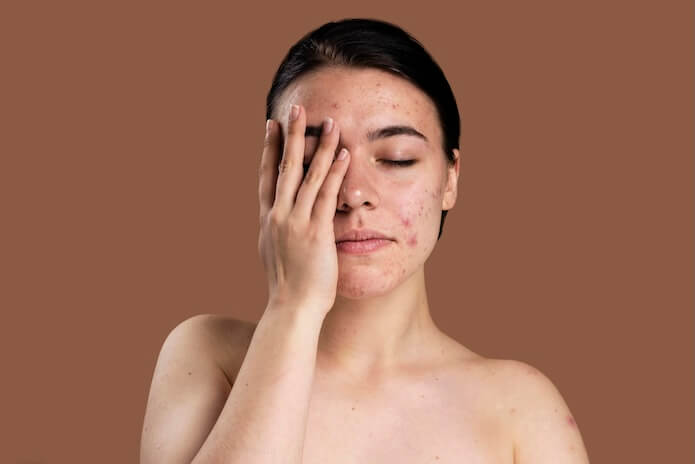
Acne is an inflammatory disease that affects the sebaceous glands and hair follicles, causing blockages in the pores. This blockage is made up of sebum (skin oil) and dead skin cells. Bacterial growth in the clogged pores causes inflammation, which can manifest as blackheads and whiteheads, papules, pustules, nodules and cysts.
Acne, medically known as acne vulgaris, is one of the most common chronic skin conditions affecting millions of people worldwide. Although it most commonly occurs in teenagers due to hormonal changes, acne can also affect adults and children, causing physical discomfort and emotional stress.
What is acne?
Acne is an inflammatory disease that affects the sebaceous glands and hair follicles, causing blockages in the pores. This blockage is made up of sebum (skin oil) and dead skin cells. Bacterial growth in the clogged pores causes inflammation, which can manifest as blackheads and whiteheads, papules, pustules, nodules and cysts.
Acne formation process:
- Sebum overproduction: due to hormone stimulation, the sebaceous glands secrete more sebum than necessary.
- Obstruction of the pores: sebum mixes with dead skin cells, creating a blockage in the hair follicle.
- Bacterial growth: cutibacterium acnes (formerly known as Propionibacterium acnes) begins to grow in the blocked follicles.
- Inflammatory reaction: the bacteria and immune response result in redness, swelling, and pus.
Types of acne
Acne can be mild, moderate, or severe, depending on the type and extent of the lesions. It is usually classified into two broad categories: non-inflammatory and inflammatory acne.
Non-inflammatory acne
- Blackheads (open comedones): a blockage of sebum and dead cells on the surface of the pore, which oxidizes and turns black.
- Whiteheads (closed comedones): a blockage of sebum and cells deeper in the follicle, causing white bumps.
Inflammatory acne
- Papulas: small, hard, red bumps caused by inflammation.
- Pustulas: pus-filled lesions with inflamed edges.
- Knots: large, deep subcutaneous inflammatory lesions that are painful.
- Cistas: large, soft, pus-filled bumps that often cause scarring.
More severe forms
- Conglobate acne: Severe acne with multiple nodules and cysts that can connect under the skin.
- Fulminant acne: A less common, very severe form that causes rapid inflammation, fever and severe pain.
Causes and risk factors
The causes of acne are varied and related to hormonal, genetic and environmental influences. Although the exact cause may vary, several factors are often shared.
Main causes:
- Hormonal Imbalance: an increase in androgen levels increases sebum production.
- Sebum overproduction: sebaceous glands secrete more oil than the skin can absorb.
- Bacteria: cutibacterium acnes bacteria cause inflammation.
- Follicular blockage: dead skin cells are not removed quickly enough.
Risk factors:
- Genetics: acne is often found in people with a family history of the disease.
- Hormonal changes: puberty, pregnancy, menstrual cycle and polycystic ovary syndrome.
- Cosmetics: products that clog pores (such as oil-based cosmetics).
- Stress: increases the level of cortisol, which promotes the activity of the sebaceous glands.
- Diet: sugar, refined carbohydrates and dairy products can aggravate acne symptoms.
Symptoms of acne
Symptoms depend on the severity and type of the disease. Acne can appear on the face, neck, back, chest and shoulders because these areas have more oil glands.
Most common symptoms:
- Black and white acne: non-inflammatory lesions due to pore blockage.
- Red bumps: papules that are sensitive to touch.
- Pus-filled lesions: pustules that may rupture and cause scarring.
- Deep ridges: nodules and cysts that cause pain and discomfort.
When to see a doctor:
- Acne is severe or rapidly worsening.
- Rashes cause emotional difficulties or low self-esteem.
- Deep nodules or cysts appear, which can leave scars.
- Skin condition does not improve with over-the-counter products.
Treatment methods
Acne treatment depends on the severity of the disease, skin type and the needs of the patient. A dermatologist can recommend a variety of therapies, often combining topical and systemic treatments.
Local treatment
- Benzene Peroxide: antibacterial agent that reduces Cutibacterium acnes bacterial growth.
- Retinoids: stimulates skin regeneration, prevents pore clogging (tretinoin, adapalene).
- Azelaic Acid: reduces inflammation and pigmentation after acne has disappeared.
Oral treatment
- Hormonal therapy: combined birth control pills or antiandrogens (spironolactone).
- Isotretinoin: an effective remedy for severe acne that reduces sebum production.
Dermatological procedures
- Chemical peels: salicylic acid or glycolic acid helps remove dead skin cells.
- Laser therapy and light therapy: reduces sebaceous gland activity and inflammation.
Prevention
Acne prevention is important to reduce the recurrence and severity of breakouts.
Daily skin care tips:
- Regular cleaning: wash your face twice a day with a gentle cleanser.
- Moisturizing: use non-comedogenic moisturizers.
- Sun protection: choose a sunscreen suitable for oily skin.
- Avoid pore-clogging products: do not use oil-based cosmetics.
Lifestyle recommendations:
- Healthy diet: limit foods high in sugar and fat.
- Stress management: practices such as yoga or meditation help control cortisol levels.
- Avoid smoking: smoking can aggravate the skin condition.
Prevention and treatment of scars
Acne can leave scars, especially in more severe cases. Dermatologists offer several methods for reducing scars.
Scar treatment options:
- Laser procedures: promotes collagen production and improves skin structure.
- Dermabrasion: removes the top layer of skin to even out the texture.
- Filleri: fills deep scars.
- Chemical peels: reduces the visibility of scars and pigmentation.
Acne and emotional health
Acne can cause not only a physical but also an emotional burden, affecting self-esteem and social life. Support groups, psychotherapy, and open communication with a dermatologist can help overcome these difficulties.
Conclusions
Acne is a common but treatable disease. Early diagnosis and appropriate treatment are essential to control symptoms and prevent complications such as scarring. A consultation with a dermatologist, along with a healthy lifestyle and regular skin care, will help you achieve long-lasting results and regain confidence in your appearance. If acne is affecting your quality of life, don't delay in seeking professional help.