Alopecia - Why does hair fall out and how to stop it?
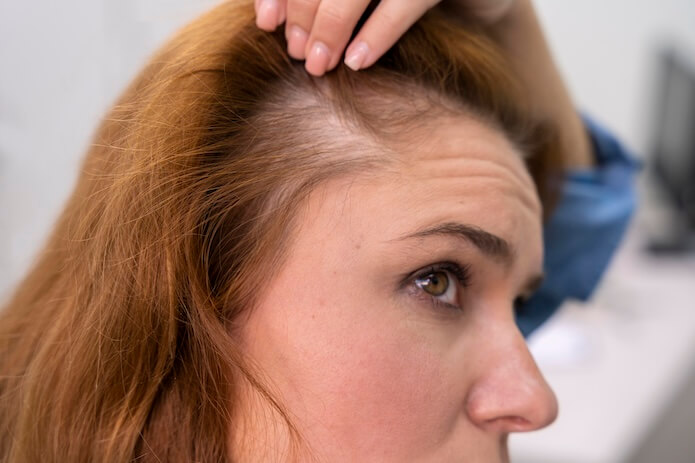
Alopecia is a term for hair loss that can affect the scalp or other parts of the body. It's a widespread problem that can have many causes, from genetics and hormonal changes to autoimmune diseases and environmental factors. Although hair loss is often considered an aesthetic issue, it can also be an important indicator of a health condition. Alopecia can cause emotional and psychological problems, especially in more severe cases.
Alopecia is a term for hair loss that can affect the scalp or other parts of the body. It's a widespread problem that can have many causes, from genetics and hormonal changes to autoimmune diseases and environmental factors. Although hair loss is often considered an aesthetic issue, it can also be an important indicator of a health condition. Alopecia can cause emotional and psychological problems, especially in more severe cases.
What is alopecia?
Alopecia is hair loss that can be temporary or permanent. It manifests itself in different ways, from mild hair thinning to complete hair loss. The amount and pattern of hair loss depends on its type and cause.
The main signs of alopecia:
- Local bald spots: common in alopecia areata.
- Baldness: in the case of typical male or female pattern hair loss.
- Diffuse hair thinning: usually associated with telogen effusion.
- Brittleness and breakage of hair: characteristic of traumatic alopecia.
Types of alopecia
Alopecia is a broad category that includes several types, with different causes and symptoms.
Alopecia areata
An autoimmune disease in which the immune system attacks the hair follicles. It can take the form of:
- Alopecia totalis: complete loss of hair on the head.
- Alopecia universalis: complete loss of hair on the entire body, including eyelashes and eyebrows.
Symptoms:
- Round or oval bald patches on the scalp or elsewhere.
- The skin in the affected areas is often smooth and painless.
Androgenic alopecia
Also known as male or female pattern baldness. It is caused by genetic predisposition and sensitivity to dihydrotestosterone (DHT).
Symptoms:
- For men: receding hairline and baldness in the middle of the head.
- For women: uniform thinning of the hair on the top of the head.
Telogen effusion
This type of alopecia occurs when an increased amount of hair prematurely enters the telogen (resting) phase and falls out.
Precipitating factors:
- Severe stress.
- Operations or illnesses.
- Pregnancy or hormonal changes.
Traumatic alopecia
Hair loss caused by mechanical or chemical damage:
- Traction alopecia: results in long-lasting, stiff hairstyles.
- Chemical damage: bleaching or other aggressive hair care products.
Scarring alopecia
This type of alopecia occurs when scar tissue damages hair follicles, making hair regrowth impossible.
Causes:
- Autoimmune diseases such as lupus erythematosus.
- Infections such as ringworm of the scalp.
- Skin damage or burns.
Chemotherapy-induced alopecia
Hair loss caused by chemotherapy drugs that damage rapidly dividing hair cells.
Causes of alopecia
The causes of alopecia can be diverse and often interrelated. Here are some of the key factors:
- Genetics: genetic predisposition is the main cause of androgenetic alopecia.
- Hormonal changes: changes in hormone levels, such as during puberty, pregnancy or menopause, often cause hair loss.
- Nutritional deficiencies: deficiency of protein, iron, zinc and B vitamins weakens the hair structure.
- Immune system disorders: alopecia areata is an autoimmune condition in which the immune system attacks the hair follicles.
- The impact of stress: emotional or physical stress can cause telogen effusion.
- External factors: infections, trauma, chemicals and aggressive hairstyles often cause hair damage and loss.
Diagnosis of alopecia
Alopecia diagnosis involves a thorough examination to determine its type and causes.
Diagnostic methods:
- Medical history: the doctor questions the patient about the medical history, symptoms and possible triggers.
- Physical examination: a dermatologist evaluates the condition of the hair and scalp.
- Trichoscopy: specialized microscopic examination to analyze the structure of hair and follicles.
- Blood tests: to detect nutritional deficiencies, hormonal changes or autoimmune disorders.
- Skin biopsy: in rare cases, to rule out scar alopecia or inflammatory diseases.
Alopecia treatment
Alopecia treatment aims to stop hair loss, stimulate new hair growth and prevent further hair damage. Methods are chosen according to the type of alopecia and its severity.
- Minoxidil: a topical agent that stimulates hair follicles.
- Finasteride: a hormonal agent that reduces DHT levels and stops the progression of androgenetic alopecia.
Procedures
- PRP therapy: platelet-rich plasma injections stimulate hair growth and improve follicle health.
- Hair transplant: a surgical technique that transfers healthy hair follicles to bald areas.
Nutritional supplements
- Biotin, iron, zinc and omega-3 fatty acids help strengthen hair and promote hair growth.
Lifestyle adjustments
- Stress management, such as meditation or exercise, can reduce telogen effusion.
- A healthy diet rich in vitamins and minerals improves hair health.
Prevention and hair care
Although not all types of alopecia can be prevented, regular hair care and proper lifestyle habits can reduce hair damage.
Practical advice:
- Avoid aggressive chemical treatments and hot styling.
- Use gentle, sulfate-free hair care products.
- Moisturize and massage your scalp regularly to improve blood circulation.
- Wear hats or scarves to protect your hair from sun damage.
Emotional impact and support
Alopecia can be emotionally challenging, especially when it significantly affects appearance. Psychological support and practical solutions can help you cope with these difficulties.
Tips for emotional well-being:
- Contact support groups or consult a psychologist.
- Try cosmetic solutions such as wigs, scarves or hair extensions.
Conclusions
Alopecia is a complex disease with many forms and causes. Although it can be challenging, modern treatments, prevention strategies and emotional support can greatly improve hair health and quality of life. Cooperation with a dermatologist and an active approach to hair care are essential to successfully manage alopecia and its impact on daily life.