Warts - why they appear and how to get rid of them effectively
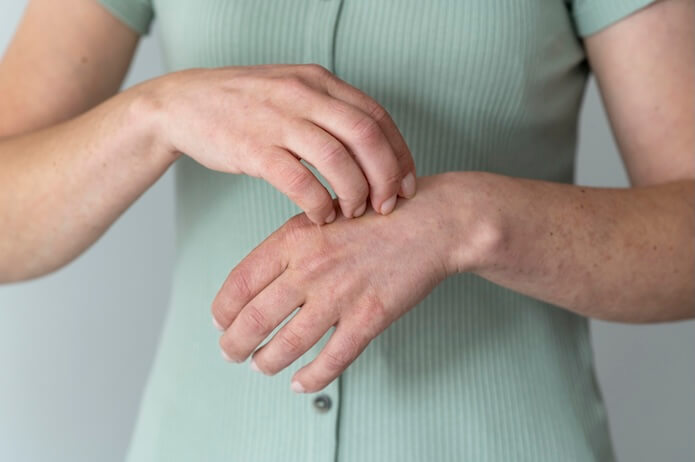
Warts are benign skin growths caused by the human papillomavirus (HPV). They are widespread and affect different age groups, however, they are more common in children and young adults. Although warts themselves are not dangerous, they can cause cosmetic discomfort and sometimes pain, especially if they are located in places where pressure is applied, such as the feet.
What are warts?
Warts are benign skin growths caused by the human papillomavirus (HPV). They are widespread and affect different age groups, however, they are more common in children and young adults. Although warts themselves are not dangerous, they can cause cosmetic discomfort and sometimes pain, especially if they are located in places where pressure is applied, such as the feet.
Although many warts go away on their own with time, treatment may be necessary if they are painful, cause discomfort, or are in visible areas that can affect self-esteem.
Types of warts and their characteristics
Warts are divided into several types, based on their appearance, location and HPV the type that causes them.
Common warts (Verruca vulgaris)
- Appearance: small, rough, raised growths with an irregular surface.
- Localization: usually appear on the fingers, hands, knees and elbows.
- Features: they are hard and can be gray, brown or yellowish in color.
Flat warts (Verruca plana)
- Appearance: small, flat and smooth, often yellowish or pink in color.
- Localization: most commonly found on the face, neck, backs of hands and knees.
- Features: often appear in groups and affect children and young people.
Foot warts (Verruca plantaris)
- Appearance: flat or ingrown warts with a rough surface and black dots (microscopic blood clots).
- Localization: located on the bottom of the feet and often merges with the skin.
- Features: painful when walking because pressure is put on them.
Genital warts (Condylomata acuminata)
- Appearance: soft, moist and slightly raised growths.
- Localization: located in the genital or anus area.
- Features: sexually transmitted, require medical attention.
Filiform warts
- Appearance: long and narrow, similar to threads or tiny fringes.
- Localization: often around the eyes, nose or mouth.
- Features: grow quickly and are most common in adults.
Subcutaneous Warts (Subungual and Periungual)
- Appearance: growths under or around the nail plates.
- Localization: affects hands and feet.
- Features: can cause nail deformity and pain.
Causes and transmission of warts
Warts are caused by different things HPV types. The virus infects the skin through microtraumas, such as small scratches or cracks. Infection with warts depends on the body's immune system's ability to fight the virus.
Main routes of transmission:
- Direct contact: contact with infected warts.
- Indirect contact: contact with infected surfaces such as the edges of swimming pools, gyms or towels.
- Autoinoculation: spreading the virus to other parts of the body by scratching or irritating existing warts.
Risk factors:
- Weakened immune system (for example, in case of chronic diseases).
- Contact with wet surfaces such as swimming pools or public showers.
- Children and teenagers are more susceptible due to weaker immunity.
Symptoms of warts
Symptoms of warts vary depending on the type and location, but the most common signs are:
- Growths with a rough or smooth surface.
- Changed skin texture and color.
- Black dots in warts (blood vessel blockages).
- Pain or discomfort, especially with plantar warts.
- Nail deformation in case of subcutaneous warts.
Diagnosis of warts
Diagnosis of warts is usually based on clinical examination. A dermatologist evaluates the appearance and location of the wart to determine its type. If in doubt, additional diagnostic methods may be used.
Diagnostic methods:
- Clinical examination: the doctor evaluates the texture, size and color of the wart.
- Dermatoscopy: a magnifying device that allows you to study the structure of the wart in more detail.
- Biopsy: is performed in rare cases to rule out malignant skin formations.
Treatment methods for warts
The choice of treatment for warts depends on their type, size, location and the patient's health. Although many warts go away on their own, treatment can help speed up the process.
Local treatment
- Salicylic acid: the most commonly used remedy that helps to gradually destroy the wart tissue.
- Retinoids: suppresses cell division, reducing the growth of the wart.
- Imiquimod: stimulates the immune system to fight the virus.
Physical procedures
- Cryotherapy: the warts are frozen with liquid nitrogen, causing them to die.
- Laser therapy: uses a laser to destroy the wart tissue.
- Electrocauterization: the electric current burns the wart.
Surgical treatment
- Used less frequently when other methods have failed. It is performed under local anesthesia.
Alternative methods
- Immunotherapy: stimulates the immune system to fight the virus.
Prevention of warts
Prevention is essential to prevent warts from developing or spreading.
Practical prevention tips:
- Protect your skin: wear shoes in public places such as swimming pools and gyms.
- Avoid contact: do not touch the warts or share towels or clothing.
- Strengthen the immune system: a healthy diet and regular exercise help fight infections.
- Keep skin clean and dry: reduce humidity, which creates a favorable environment for the spread of the virus.
Complications
Although warts are usually harmless, they can cause some complications:
- Infection: warts can become infected if they are torn or damaged.
- Scars: aggressive treatment may result in scarring.
- Psychological discomfort: Visible warts can negatively affect the patient's self-esteem.
Conclusions
Warts are a common skin problem caused by HPV. Although they often disappear on their own, in some cases treatment is necessary to prevent discomfort or aesthetic problems. Prevention measures and early treatment are essential to reduce the spread of warts and restore skin health. If you have warts that do not go away or cause discomfort, consult a dermatologist to choose the most appropriate treatment method.