Psoriasis - is it just a skin disease or something more?
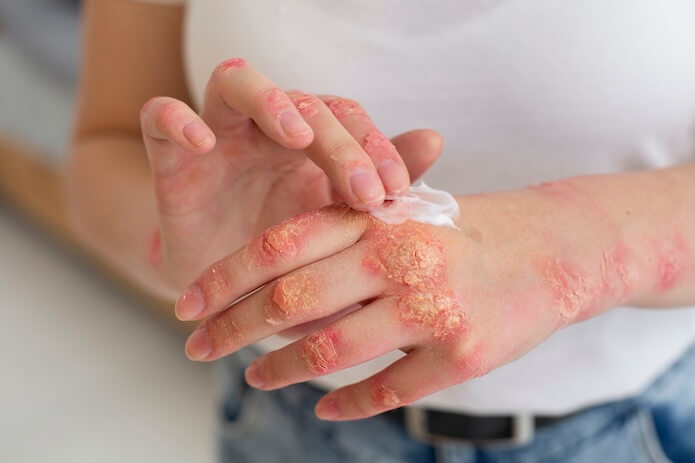
Psoriasis is a chronic skin disease that affects approximately 2-3% of the population worldwide. It causes skin inflammation, redness and often pinkish-silver scales. Psoriasis is more than just a skin condition – it can be associated with other health problems such as arthritis, heart disease and mental health disorders. Although the exact cause of the disease is unknown, it is believed to be caused by a dysfunction of the immune system.
Psoriasis is a chronic skin disease that affects approximately 2-3% of the population worldwide. It causes skin inflammation, redness and often pinkish-silver scales. Psoriasis is more than just a skin condition—it can be associated with other health problems, such as arthritis, heart disease, and mental health disorders. Although the exact cause of the disease is unknown, it is believed to be caused by a dysfunction of the immune system.
What is psoriasis?
Psoriasis is an autoimmune skin disease in which skin cells begin to multiply rapidly, causing thick, scaly plaques on the skin. The normal skin cell renewal cycle lasts about 28 days, but in psoriasis it shortens to 3-7 days. This causes the thickening and scaling of the skin that is characteristic of this disease.
Psoriasis most commonly appears on the elbows, knees, scalp, and lower back, but it can also affect the nails, joints, and other parts of the body. The disease is often cyclical, with flare-ups and remissions.
Types of psoriasis
Psoriasis can manifest itself in different ways, and each type has its own characteristics:
Plaque Psoriasis:
The most common type of psoriasis, occurring in approximately 80-90% of patients. It is characterized by reddish plaques with silvery scales that may itch or be painful.
Gullible psoriasis:
Characteristic of children and young people. Small, pinkish spots appear on the skin, which often appear after a bacterial infection, such as strep throat.
Pustular psoriasis:
A severe form of psoriasis in which blisters filled with inflammatory fluid form on the skin. It can affect specific parts of the body, such as the hands or feet, or it can affect the whole body.
Erythrodermic psoriasis:
A rare and dangerous form of the disease that causes extensive redness, peeling and inflammation of the skin. It can be life-threatening because it can cause problems with body temperature regulation and fluid balance.
Psoriatic arthritis:
This form affects not only the skin, but also the joints, causing swelling, pain and stiffness. Psoriatic arthritis can cause severe deformities if not treated in time.
Symptoms and causes of psoriasis
Main symptoms:
- Reddish, scaly plaques on the skin.
- Itching or burning sensation.
- Dry, cracked skin that sometimes bleeds.
- Nail damage - nail discoloration, thickening, or separation of the nail from the base.
- Joint pain and swelling in psoriatic arthritis.
Psoriasis causes and risk factors:
Psoriasis is caused by a combination of genetics, immune system dysfunction, and environmental factors.
- Immune system: immune cells mistakenly attack healthy skin cells, causing inflammation.
- Genetics: the disease often runs in families, and people with first-degree relatives with psoriasis have a higher risk of developing it.
Psoriasis and other skin diseases
Psoriasis often overlaps or resembles other dermatological diseases:
- Seborrheic dermatitis - both diseases cause scaling, but seborrheic dermatitis more often affects areas of oily skin, such as the scalp or nose.
- Atopic dermatitis - itching and inflammation are common symptoms, but atopic dermatitis is more often caused by allergies or environmental factors.
- Nail fungus - nails affected by psoriasis often look similar to nail fungus, making diagnosis difficult.
- Vitiligo— although vitiligo causes loss of skin pigment, both conditions are often associated with autoimmune reactions.
- Eczema — the symptoms of eczema are similar to psoriasis, however, eczema is characterized by leakage of moisture from the skin.
- Alopecia - in severe scalp psoriasis, hair loss similar to alopecia may occur.
Diagnosis of psoriasis
To diagnose psoriasis, a dermatologist performs a visual examination of the skin and nails and, if necessary, a skin biopsy. This helps to rule out other diseases such as seborrheic dermatitis or fungal infections.
Treatment options for psoriasis
Psoriasis treatment is tailored individually, depending on the severity, type and needs of the patient.
Topical therapy:
- Vitamin D analogues: slows down the growth of skin cells.
- Salicylic acid preparations: removes scales and promotes skin hydration.
Phototherapy:
- UVB radiation: reduces inflammation and scaling.
Systemic treatment:
- Methotrexate and cyclosporine: reduces the activity of the immune system.
- Retinoids: helps control cell proliferation.
Lifestyle changes:
- Stress management: yoga, meditation or breathing exercises.
- Healthy diet: Omega-3 fatty acids, fruits and vegetables.
- Skin hydration: regular use of creams.
Impact of psoriasis and quality of life
Psoriasis not only affects the skin, but also emotional and psychological well-being.
Patients often experience:
- Low self-esteem and anxiety.
- Depression caused by the aesthetic effect of the disease.
- Social isolation, especially in case of severe symptoms.
- In the case of psoriatic arthritis, the disease can cause pain and movement limitations, significantly reducing the quality of life.
Prevention and lifestyle recommendations
Although psoriasis cannot be completely prevented, there are ways to reduce the frequency and severity of flare-ups:
- Avoid smoking and alcohol.
- Reduce your stress levels by practicing meditation or other relaxation techniques.
- Use moisturizing creams to prevent cracking and itching.
- Avoid harsh soaps and irritating chemical products.
- Visit your dermatologist regularly to adjust your treatment.
The latest treatment trends and research
Psoriasis research also highlights the link between the disease and other health problems such as heart disease, diabetes and depression, pointing to the need for a comprehensive approach to managing the disease.
When to see a doctor?
If you have symptoms suggestive of psoriasis—red, scaly skin, itching, or nail lesions—see a dermatologist right away. The doctor will help establish an accurate diagnosis and develop an individual treatment plan.
Conclusion
Psoriasis is a chronic disease that affects the skin, joints and quality of life. It can be associated with other dermatological problems such as seborrheic dermatitis, atopic dermatitis and onychomycosis. Although the disease cannot be completely cured, proper treatment and lifestyle changes can significantly improve the patient's quality of life.
If you suspect psoriasis or other skin conditions such as eczema, vitiligo or alopecia, contact a dermatologist for professional help. Regular monitoring and personalized treatment is the best way to control the disease and live a full life.