Sunburns: why they occur and how to protect the skin
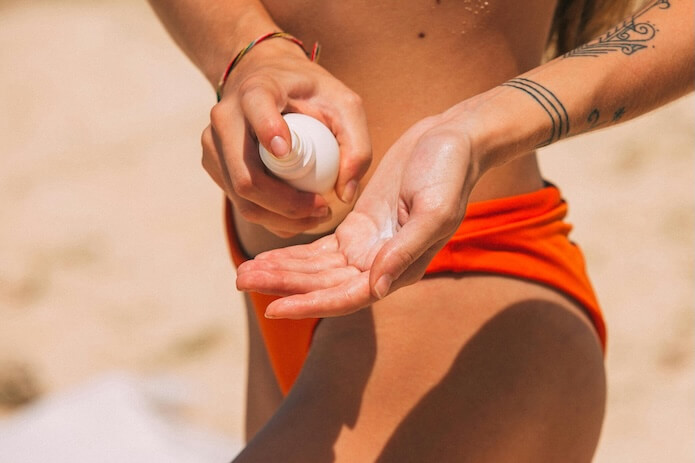
Sunburn is an acute skin injury caused by excessive exposure to the sun's ultraviolet (UV) radiation. These burns are manifested by skin redness, soreness and sometimes blisters that appear after exposing the skin to sunlight without adequate protection. Sunburns can appear within a few hours of exposure to the sun, or within a day or two, and can range in severity from mild to severe damage.
What are sunburns?
Sunburn is an acute skin injury caused by excessive exposure to the sun's ultraviolet (UV) radiation. These burns are manifested by skin redness, soreness and sometimes blisters that appear after exposing the skin to sunlight without adequate protection. Sunburns can appear within a few hours of exposure to the sun, or within a day or two, and can range in severity from mild to severe damage. In addition to discomfort, sunburns are also potentially dangerous because they increase the risk of skin cancer, especially melanoma, which is the most aggressive type of skin cancer. It is important to note that sunburns can occur not only on sunny days, but also in cloudy weather and in winters when UV rays are still strong. Individual factors such as skin type, age and genetic predisposition also affect the severity of sunburn. Light-skinned people with blue or green eyes and light hair are more at risk of sunburn.
UV radiation is present throughout the year and its intensity can vary depending on geographical location, season and time of day. Therefore, people should be aware of how much time they spend in the sun and know effective methods to protect themselves from harmful radiation.
Causes of sunburn
Sunburn is caused by excessive exposure to ultraviolet (UV) radiation that penetrates the layers of the skin and causes cell damage. UV radiation is the part of the sun's energy that is not visible to the eye, but is very powerful. There are two types of UV rays that affect the skin: UVA and UVB. Although both types can cause skin damage, UVB rays are the main cause of sunburn.
Effects of ultraviolet radiation
UVA rays penetrate deeper into the skin and contribute to premature skin aging, including wrinkles. UVB rays cause surface damage because they directly damage the DNA of skin cells, triggering an inflammatory response. This reaction causes redness, swelling and pain – typical signs of sunburn. UVB rays are more intense in summer and during the middle of the day, but UVA rays are strong all year round. Although UVA rays may cause less immediate damage than UVB rays, their long-term effects can be even more dangerous.
UV radiation can also cause oxidative stress in the skin, which contributes to cell membrane damage and collagen degradation. This further accelerates skin aging and increases the risk of developing cancer.
Effects of other UV radiation sources
In addition to natural sunlight, UV radiation can also be obtained from artificial sources such as tanning beds. The use of solariums contributes to the occurrence of sunburn and significantly increases the risk of skin cancer. Therefore, it is important to be aware of all sources of UV rays and take precautions to protect your skin.
Solarium light sources emit mainly UVA rays, which, although they do not cause immediate burns, significantly contribute to skin aging and the development of melanoma. Many countries have introduced restrictions on the use of tanning beds, especially for young people, to reduce these risks.
Risks and factors that increase the likelihood of burns
- Skin Type: light-skinned people are more prone to sunburn than those with darker skin. This is due to less melanin, which acts as a natural protective filter against UV radiation.
- Time and place: staying outdoors in the middle of the day, when the sun's rays are at their strongest, increases the chance of sunburn.
- Height: at higher altitudes, UV radiation is more intense. Each kilometer increase in altitude, for example when climbing mountains, increases the intensity of UV radiation by about 10%.
Symptoms and signs
Symptoms of sunburn vary depending on the severity of the damage. Symptoms usually appear 2 to 6 hours after sun exposure and peak after 12 to 24 hours.
Symptoms of mild burns
In the case of mild sunburns, redness of the skin and mild discomfort are usually observed. The affected skin may be hot to the touch and slightly swollen. In mild cases, the discomfort may be minimal and disappear after a few days as the skin begins to peel. These cases usually do not require medical attention and the symptoms resolve on their own unless the skin is exposed to further sun exposure.
Symptoms of severe burns
Severe sunburns are manifested by intense skin redness, swelling, pain and blisters. In severe cases, systemic symptoms such as fever, chills, nausea and weakness may also occur. In such cases, the skin can be very sensitive to the touch, and the blisters can become a gateway for infection. Severe burns require medical intervention to prevent complications and reduce discomfort.
Skin damage can be so serious that a dermatologist's consultation or even hospitalization is required. Special care should be taken if sunburn occurs in children or older people, whose skin is more sensitive and the recovery process is slower.
Diagnostics
Diagnosis of sunburn is usually based on clinical examination and history. The doctor assesses the severity of the skin damage based on the patient's symptoms and recent history of sun exposure. No additional tests are usually needed, except when complications such as infection or other dermatological problems are suspected. The doctor may ask questions about the patient's medical history to determine if there is an increased risk of sunburn or other skin conditions. In some cases, if there are severe burns or suspected skin cancer, a biopsy may be necessary to rule out malignant processes. Diagnosis also helps determine the most appropriate treatments and prevention strategies to prevent further damage.
Doctors must be careful when assessing the severity of sunburn, as sometimes the symptoms may indicate other skin problems, such as allergic reactions or skin infections, which require a different approach to treatment.
Treatment methods
Treatment depends on the severity and symptoms of the sunburn. Home remedies are often enough to relieve symptoms in mild cases, but medical intervention may be necessary in more severe cases.
Home remedies
- Cold compresses: applying cold compresses to the damaged skin can reduce pain and swelling. Cold also helps reduce the inflammation associated with the burn.
- Moisturizers: use after-sun creams or lotions containing aloe or soy to moisturize and soothe the skin. Aloe vera is known for its healing and anti-inflammatory properties.
- Hydration: Drink plenty of water to prevent dehydration, which can worsen skin conditions. Dehydrated skin heals more slowly and is more prone to damage.
Medical intervention
Medical intervention is especially important if the patient develops systemic symptoms, such as fever or nausea, which may indicate sunstroke or other serious complications.
Prevention
Sunburn prevention is essential to prevent skin damage and reduce the risk of skin cancer. Prevention strategies include using sunscreen and choosing appropriate clothing.
Use of sunscreens and protective equipment
- Sunscreens: use sunscreens with an SPF of at least 30 that protect against UVA and UVB rays. Apply them 15 to 30 minutes before going out in the sun and reapply every two hours or after swimming. It is important to know that sunscreens can be of different types: physical (mineral-based) and chemical. Physical sunscreens create a barrier on the surface of the skin that reflects UV radiation, while chemical sunscreens absorb UV rays and neutralize their effects.
- Sun umbrellas: use sunshades for extra protection, especially at the beach or in areas with direct sunlight.
Child protection
Children's skin is more sensitive to sunburn and they are at greater risk of long-term effects. Therefore, it is important to take special care to protect children's skin:
- Use baby sunscreens that are suitable for their sensitive skin.
- Dress children in light, long clothing and wide-brimmed hats.
- Monitor children's time in the sun, especially from 10:00 am to 4:00 pm when the sun's rays are most intense.
Time management and clothing selection
- Avoiding peak hours of the sun: Try to stay in the shade from 10:00 am to 4:00 pm when the sun's rays are most intense.
- Protective clothing: Wear light, long clothing, wide-brimmed hats, and sunglasses to protect your skin and eyes from UV rays.
The choice of clothing can significantly affect the level of protection against the sun. Some fabrics, such as densely woven textiles, offer more UV protection than lighter, less dense materials.
Long-term effects and complications
Severe sunburns can lead to long-term effects such as skin cancer and premature aging. Prolonged sun exposure can also negatively affect the immune system, reducing the body's ability to fight infections and other diseases.
Risk of skin cancer
Skin cancer is one of the most common types of cancer in the world, and its prevalence continues to increase. Early diagnosis and treatment are essential to achieve a successful outcome and reduce the risk of complications.
Aging of the skin
Long-term exposure to the sun causes premature aging of the skin, which manifests as wrinkles, loss of skin elasticity and changes in pigmentation. This process is called photoaging and is irreversible. UVA rays are the main contributors to photoaging because they penetrate deeper into the skin and damage collagen, which is an essential component of the skin's structure.
Loss of collagen and damage to elastin cause structural changes in the skin that are responsible for wrinkling and loss of skin firmness. Although some cosmetics can help improve the appearance of the skin, the most effective method of preventing photoaging is sun protection.
Weakening of the immune system
Prolonged exposure to UV radiation can weaken the immune system, reducing the body's ability to defend itself against infections and diseases. This can lead to a higher risk of various infections and affect your overall health.
Immune suppression can also affect the body's ability to fight cancer cells, increasing the risk of developing cancer. That's why it's important to take steps to protect your skin and keep your immune system strong.
Conclusions
Sunburn is a significant health risk that can cause both short-term and long-term skin damage. Although most sunburns can be prevented with proper protection, neglecting them can lead to serious consequences, including skin cancer and premature aging. It is important to educate the public about the risks of sunburn and prevention strategies to promote a safe and healthy lifestyle in the sun. In addition, awareness of the effects of artificial UV light sources should be promoted and special protection for children should be provided to reduce long-term health risks.
Education and public awareness are key elements in the fight against the health problems caused by sunburn. Regular skin examination and proper prevention can help maintain skin health and prevent potentially life-threatening consequences.