Frequent nosebleeds? Here's what can cause it and how to stop it!
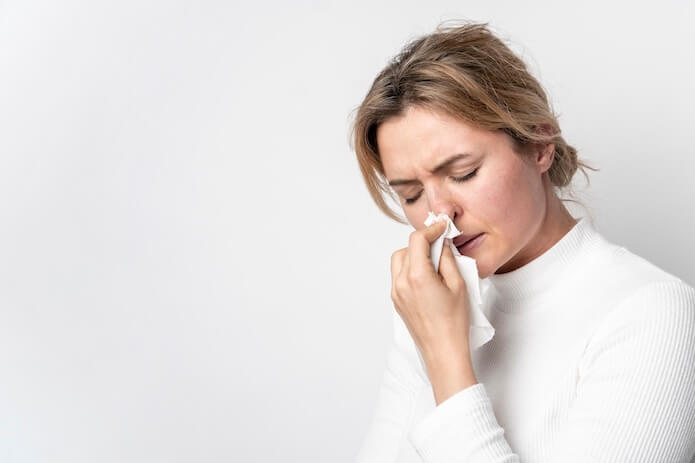
Epistaxis, also known as epistaxis, is a common symptom of loss of blood from the nostrils. It can be mild and fleeting or longer and more intense, while in some cases it indicates a more serious health problem.
What is a nosebleed?
Epistaxis, also known as epistaxis, is a common symptom of loss of blood from the nostrils. It can be mild and fleeting or longer and more intense, while in some cases it indicates a more serious health problem. The source of bleeding is usually the anterior part of the nose, where there is a dense network of blood vessels, the plexus of Koschel. However, posterior epistaxis, which occurs deeper in the nose, is less common and often more severe. Although nosebleeds are most often harmless, repeated or severe bleeding may be associated with underlying medical conditions that require professional medical intervention.
Causes of nosebleeds
Most common causes
Nosebleeds can have a variety of causes, from simple mechanical damage to more complex medical conditions. It is important to identify the exact cause in order to effectively manage and treat this symptom.
Mechanical damage
Mechanical damage is one of the most common causes of anterior epistaxis. This includes nasal trauma that may result from impacts or accidents, drying or irritation of the lining of the nasal cavity, and damage to the nasal lining that may result from frequent nose-sniffing or nose-picking. A dry climate or an environment with low humidity can contribute to drying out of the mucous membrane, making it vulnerable to injury.
Medical conditions
Certain medical conditions can contribute to the development of epistaxis. Hypertension, or high blood pressure, is one such factor that increases pressure on the blood vessels in the nose and can cause them to burst. Coagulopathies, such as blood clotting disorders, as well as the use of drugs that affect blood clotting, such as anticoagulants, are another important factor. Allergies and infections that cause nasal inflammation can also contribute to bleeding.
Environmental and lifestyle factors
Environmental factors, such as prolonged stay in rooms with dry air, can negatively affect the condition of the mucous membrane. Also, smoking, which irritates the nasal mucosa and reduces its ability to regenerate, is a significant factor. Lifestyle factors such as alcohol consumption, which can dilate blood vessels and increase the risk of bleeding, should also be considered.
Diagnostics
Diagnostic methods
Determining the exact cause of nosebleeds is important to ensure effective treatment, so diagnosis begins with a detailed patient history and clinical examination.
Clinical examination
During the clinical examination, the doctor visually examines the nasal cavity using a nasal speculum and a shining light. This examination makes it possible to assess the condition of the mucous membrane, the source of bleeding and possible mechanical damage. The doctor also evaluates the structure of the nose, looking for possible deformities or foreign bodies that could be the cause of the bleeding. Taking a detailed medical history helps assess potential risk factors, such as medications or chronic medical conditions.
Additional tests
If the clinical examination does not provide sufficient information about the cause of the bleeding, additional tests may be necessary. Blood tests can help identify coagulopathies or other hematological problems. Nasal endoscopy, using a fine flexible tube with a camera, can provide a more detailed view of the inside of the nasal passages and reveal possible pathological processes. Imaging techniques, such as a CT scan, may be used if sinus disease or trauma is suspected.
Differential diagnosis
Differential diagnosis is important to exclude other possible causes of bleeding, such as hematological diseases or systemic diseases, which could cause similar symptoms. This includes a thorough analysis of the history, evaluation of symptoms and, if necessary, specialized examinations.
Treatment methods
First aid and home treatment
First aid for a nosebleed involves sitting the patient forward to prevent swallowing blood and applying gentle pressure to the nostrils, which can help stop the bleeding. A cold compress on the back of the nose or neck can also help constrict blood vessels and reduce bleeding. During home treatment, it is important to avoid picking your nose and blowing your nose after the bleeding has stopped to allow the mucosa to heal and prevent the bleeding from recurring.
Medical treatment
Surgical intervention
Severe or recurrent bleeding may require surgical intervention. Nasal tamponade, which involves inserting tampons or balloons, can help stop the bleeding. Coagulation procedures such as electrocautery or laser coagulation are used to close the damaged blood vessels. More severe cases may require ligature or embolization to stop bleeding from larger vessels.
Long-term management
Long-term management strategies include regular visits to your doctor to monitor your condition and adjust your treatment plan as needed. For patients with chronic diseases or risk factors, it is important to follow up and follow the doctor's instructions to reduce the risk of rebleeding.
Prevention
Healthy lifestyle
A healthy lifestyle, including a balanced diet and regular exercise, can help maintain normal blood pressure and strengthen the immune system, thereby reducing the risk of epistaxis. Quitting smoking and limiting alcohol consumption also contribute to the health of the nasal mucosa.
When to seek medical help?
Epistaxis may be an indication for medical attention if it is severe, repeated, or lasts more than 20 minutes despite first aid. Urgent medical attention is required if bleeding is associated with a head injury, difficulty breathing, or if the patient has a blood clotting disorder. Patients on anticoagulants are at increased risk of bleeding and should be monitored particularly closely for symptoms.
Additional considerations and new treatments
Recent research trends
Nowadays, more and more new technologies and methods are used in the treatment of nosebleeds. One of them is the use of biological materials in nasal tamponade, which not only stops bleeding, but also promotes faster wound healing. In addition, the role of genetic factors in the predisposition to epistaxis is being studied, which could help identify risk groups and adjust preventive measures in the future.
An integrated approach to treatment
Integrative medicine, which includes traditional treatments combined with alternative approaches such as acupuncture or herbal therapy, is used to improve treatment effectiveness and patient comfort. Such approaches can help reduce the stress often associated with recurrent nosebleeds and strengthen the body's natural defenses.
Summary
Nosebleeds are a common, yet potentially worrisome, symptom that can be caused by a variety of factors. Although most cases can be easily managed at home, recurrent or heavy bleeding requires careful diagnosis and treatment. Preventive measures, such as humidifying the environment and protecting from irritants, can significantly reduce the risk of epistaxis. The most important thing is not to underestimate this symptom and seek medical help in cases where it is necessary. By remaining vigilant and following prevention and treatment guidelines, it is possible to effectively manage this condition and ensure patient safety and comfort.