Diabetes - when sugar level becomes your biggest challenge!
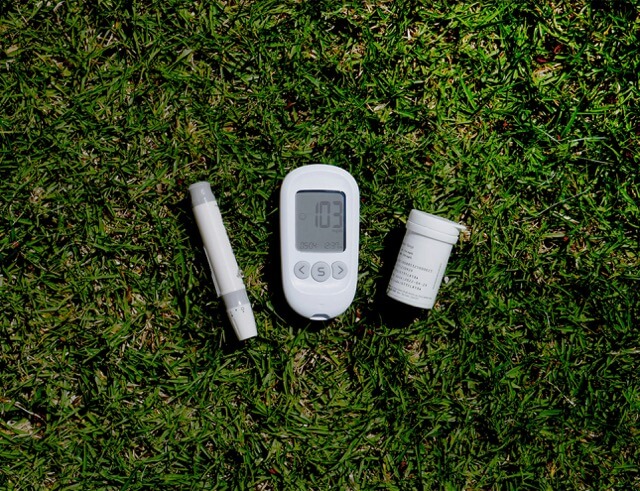
Learn about the causes, symptoms, treatment and prevention of diabetes to effectively improve your health and reduce your risk of complications.
Diabetes is a common chronic disease that affects millions of people. In this article, we will look at the causes, symptoms and options for controlling and preventing diabetes.
What is diabetes mellitus?
Diabetes mellitus is a group of metabolic disorders characterized by elevated blood glucose levels. It occurs when the body is unable to effectively use or produce insulin, a hormone that regulates blood sugar levels. Without enough insulin, glucose builds up in the blood, causing various health problems.
Diabetes mellitus is one of the major chronic diseases worldwide, affecting more than 500 million people and this number is expected to continue to increase. The main risk of diabetes is related to long-term complications that can affect the heart, kidneys, nervous system and vision, making it a global public health problem.
The role of insulin in the body
Insulin is a hormone produced by the beta cells of the pancreas. It helps glucose from the blood enter the cells where it is used as a source of energy. When insulin is absent or not working properly, glucose remains in the blood, raising blood sugar levels.
Insulin also plays an essential role in fat and protein metabolism, as it promotes the uptake of amino acids into cells and the synthesis of fat. A lack of insulin can not only cause high blood sugar levels, but also interfere with protein synthesis and promote fat accumulation, thus having a wider impact on the metabolism of the whole body.
Types of diabetes
Each type of diabetes has its own characteristics, but they all have one thing in common: impaired insulin action that causes high blood sugar levels.
Type 1 diabetes
Type 1 diabetes is an autoimmune disease in which the immune system mistakenly attacks and destroys the beta cells of the pancreas. This causes a complete cessation of insulin production. This type of diabetes usually develops in childhood or early adulthood, but it can appear at any age.
Type 2 diabetes
Type 2 diabetes is the most common type of diabetes. It occurs when the body cannot use insulin effectively (insulin resistance) or the pancreas does not produce enough insulin. This type is often associated with lifestyle factors and is more common in adults, although children and teenagers are also being diagnosed more recently.
Gestational diabetes
Gestational diabetes develops during pregnancy and usually resolves after delivery. However, women who have had gestational diabetes are at increased risk of developing type 2 diabetes later in life.
Causes and risk factors of diabetes
The causes of diabetes depend on its type. Type 1 diabetes is caused by genetics and autoimmune reactions, while type 2 diabetes is caused by excess weight, a sedentary lifestyle and genetics. Age and ethnicity also increase the risk of developing the disease. Gestational diabetes can develop during pregnancy, which increases the risk of developing type 2 diabetes later. There are several risk factors, and their combination can contribute to the development of diabetes.
Type 1 diabetes
- Genetic factors: Heredity plays a role, but the exact causes are not fully understood.
- Autoimmune reactions: the immune system attacks the cells of the pancreas.
- Environmental factors: viral infections or other external factors can cause the development of the disease.
Type 2 diabetes
- Overweight and obesity: Fat especially in the abdominal area increases insulin resistance.
- Sedentary lifestyle: Lack of physical activity reduces the body's ability to use insulin effectively.
- Genetics and family history: if there have been cases of diabetes in the family, the risk of the disease is higher.
- Age: The risk increases after the age of 45, but diabetes can also develop in younger people.
- Ethnicity: some ethnic groups are more at risk of getting the disease.
What are the symptoms of diabetes?
The symptoms of diabetes can develop gradually, especially in type 2 diabetes, and these symptoms can be difficult to notice because they can be very mild or insignificant at first.
Most common symptoms
- Constant thirst and dry mouth
- Frequent urination, especially at night
- Fatigue and weakness
- Slow weight loss (in type 1 diabetes)
- Vision disorders
- Slow wound healing
- Frequent or recurrent infections, such as skin or urinary tract infections
If you notice these symptoms, it is important to consult a doctor to perform the necessary examinations.
Diagnosis of diabetes
Diagnosing diabetes involves several types of blood tests to measure blood sugar and check thyroid function. Key tests include fasting glucose, glucose tolerance test, and glycated hemoglobin (HbA1c) analysis. Fasting glucose and the glucose tolerance test help diagnose diabetes, while the HbA1c test indicates the average blood sugar level over the past 2-3 months.
These analyzes help doctors accurately diagnose diabetes and prescribe appropriate treatment.
Blood glucose determination
Blood glucose testing includes fasting glucose, glucose tolerance test, and glycated hemoglobin (HbA1c) tests to diagnose and monitor diabetes.
- Fasting glucose level: measure sugar level after not eating for at least 8 hours.
- Glucose tolerance test: after taking a certain amount of glucose, the blood sugar level is measured.
- Glycated hemoglobin (HbA1c) test: shows the average blood sugar level during the last 2-3 months.
Diagnostic criteria
Diagnostic criteria define normal sugar levels, pre-diabetes and diabetes based on HbA1c values, glucose levels on an empty stomach or a few hours after eating, helping to accurately determine the stage of the disease.
- Normal sugar level: HbA1c below 5.7% or fasting (no food for at least 8 hours before) below 5.5 mmol/L
- Prediabetes: HbA1c 5.7%-6.5% or fasting (no food for at least 8 hours before) 5.5-6.9 mmol/L
- Diabetes: HbA1c above 6.5% or fasting (no food at least 8 hours before) above 6.9 mmol/L
What are the complications of diabetes?
Untreated or poorly controlled diabetes can lead to serious complications, including cardiovascular disease, kidney failure, neuropathy, vision loss, and other serious health problems.
Acute complications
- Hypoglycemia: low blood sugar that can cause dizziness, sweating, confusion, or even loss of consciousness.
- Hyperglycemia: high blood sugar which can cause thirst, frequent urination and tiredness.
- Diabetic ketoacidosis (In type 1 diabetes): A life-threatening condition caused by very low levels of insulin in the blood, when the body starts burning fat to produce ketones.
Chronic complications
- Cardiovascular diseases: increased risk of heart attack, stroke and atherosclerosis.
- Kidney damage (nephropathy): can lead to kidney failure.
- Nerve damage (neuropathy): causes tingling, pain or numbness, especially in the legs.
- Eye damage (retinopathy): May cause visual disturbances and blindness.
- Foot problems: due to poor circulation and nerve damage, wounds heal more slowly, increasing the risk of infection.
Treatment and monitoring of diabetes
Type 1 diabetes
Currently, it is not known exactly how to prevent type 1 diabetes, but scientists are conducting promising research into the possibility of influencing the functioning of the immune system at an early stage, for example, using immunotherapy, gene therapy methods or other innovative approaches. Some studies are focusing on blocking specific autoimmune responses to prevent pancreatic beta cells from dying, while others are testing vaccines that could help protect against the factors that cause the disease to develop.
Monitoring:
- Insulin therapy: regular insulin injections or use of an insulin pump.
- Glucose level monitoring: frequent measurement of blood sugar.
- Nutrition and physical activities: a balanced diet and regular physical activity.
Type 2 diabetes
- Lifestyle changes: healthy diet, weight reduction and physical activity.
- Insulin therapy: in some cases, insulin injections may be required.
- Glucose level monitoring: regular check of sugar level.
How important is a healthy diet for diabetic patients?
Nutrition plays a huge role in controlling and treating diabetes – a balanced diet helps stabilize blood sugar, control weight and reduce the risk of complications, leading to better health.
- Balanced nutrition and diet: include whole grains, vegetables, fruits, lean proteins and healthy fats in your diet.
- Limiting sugar and refined carbohydrates: reduce the consumption of sweets, sweetened drinks and white bread.
- Portion control: monitor your food intake to avoid overeating.
- Regular meals: keep blood sugar levels stable.
Physical activities
Physical activity is essential for diabetes patients—it helps control blood sugar, improves insulin sensitivity, controls weight, and reduces the risk of complications, all of which contribute to overall health.
- Regular exercises: at least 150 minutes of moderate-intensity activity per week.
- Aerobic exercises: walking, swimming, cycling.
- Strength training: helps improve muscle mass and glucose utilization.
- Flexibility and balance exercises: yoga, stretching that improves overall health.
Prevention of diabetes
Prevention of diabetes includes following a healthy diet, regular physical activity, weight control and regular medical examinations to prevent the development of diabetes or to diagnose it at an early stage.
Type 1 diabetes
There is currently no known way to prevent type 1 diabetes, but research is being done to affect the immune system early, such as through immunotherapy or other innovations. In Latvia, 50-100 children and adolescents are diagnosed with type 1 diabetes every year (source: Center for Disease Prevention and Control, SPKC data on diabetes in 2023), and this problem is also very relevant among adults, so great efforts are being made to improve early diagnosis and preventive measures.
Type 2 diabetes
- Healthy diet: choose nutrient-dense foods and limit unhealthy fats and sugars.
- Physical activities: regular exercise helps control weight and improves insulin sensitivity.
- Weight management: even a small amount of weight loss can significantly reduce the risk of developing diabetes.
- Regular medical check-ups: early diagnosis of prediabetes and proactive action can prevent the development of diabetes.
Life with diabetes
Emotional support for diabetes patients is essential to reduce emotional burden, educate themselves about the disease and receive professional help, ensuring more effective health improvement.
Emotional support
Living with a chronic illness can be challenging both physically and emotionally, so it's important to:
- seek support: talk to family, friends or join support groups;
- Educate yourself: learn as much as you can about diabetes to take better care of your health;
- consult with specialists: The diabetes care team may include an endocrinologist, dietitian, nutritionist, and also mental health specialists, among other specialists.
Self care
- Monitor blood sugar levels regularly.
- Pay attention to foot care: check your feet every day, wear suitable shoes.
- Attend regular check-ups: for early detection of eye, kidney and nerve damage.
Latest research and technologies
Diabetes care and treatment is constantly evolving:
- Continuous Glucose Monitoring (CGM): devices that automatically measure blood sugar.
- Insulin pumps: provides more accurate insulin dosing.
- Artificial Pancreas Systems: automates insulin delivery based on glucose levels.
Conclusion
Diabetes is a serious disease, but it can be effectively controlled with proper care and lifestyle changes. It is important to be informed, actively involved in monitoring your health and seek professional help. Remember that small changes in your daily habits can make a big difference in your health and quality of life.
Additional resources
- Parsirdi.lv patient association:
- Diabetes and heart disease (Source: Parsirdi.lv)
- Prediabetes (Source: Parsirdi.lv)