Psoriasis - is it just a skin disease or something more?
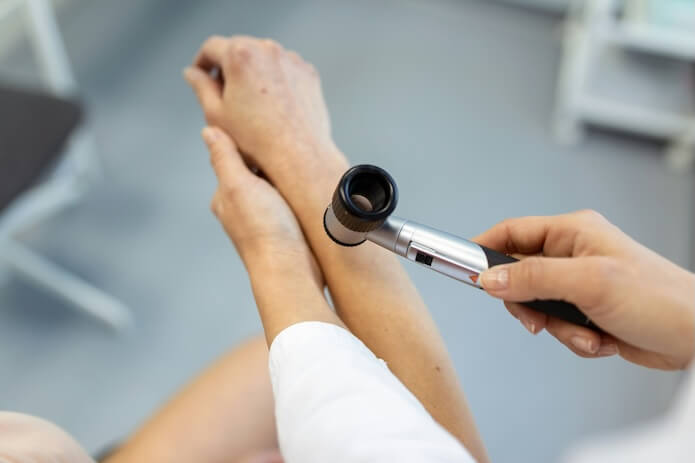
Psoriasis is a chronic skin disease that causes reddish, scaly patches. Learn about its causes, symptoms, and treatment options.
Psoriasis is a chronic skin disease that causes reddish, scaly patches. Learn about its causes, symptoms, and treatment options.
What is psoriasis?
Psoriasis is a chronic autoimmune skin disease that affects more than 125 million people worldwide. It causes a reddish, scaly patch (eng: patches) formation on the skin and can affect different parts of the body, such as the scalp, elbows, knees and back. In healthy skin, cells normally mature and separate during a cycle of about 28-30 days, but in patients with psoriasis, this process takes place much faster - in only 3-4 days. Psoriasis is not only physically disturbing, but also an emotionally challenging disease that can significantly affect a person's quality of life. Although it is not contagious, its visible symptoms often lead to social isolation and emotional distress.
In this article, we'll look at what psoriasis is, its causes, symptoms, diagnostic methods, treatment options, and ways to reduce its impact on your daily life.
Types of psoriasis
There are several types of psoriasis, each with its own signs and symptoms:
- Plaque psoriasis (psoriasis vulgaris): the most common type of psoriasis characterized by reddish, raised patches covered with silvery scales. It usually affects the elbows, knees, scalp and back.
- Guttate psoriasis: this type of psoriasis often begins in childhood or adolescence and manifests as small, red patches on the skin. It is usually caused by bacterial infections such as streptococcal pharyngitis.
- Pustular psoriasis: characterized by the formation of pustules containing non-infectious pus. This type of psoriasis can be localized, such as on the hands and feet, or spread over the entire body.
- Inverted psoriasis: this type is characterized by smooth, red skin that is usually found in the folds of the body - armpits, groin and under the breasts. It is often aggravated by sweat or skin irritation.
- Erythrodermic psoriasis: a rare but severe form of psoriasis that covers most of the body with an intensely reddish rash. This form can be dangerous and often requires urgent medical attention.
Causes and risk factors of psoriasis
Psoriasis is a complex disease and its causes are still not fully understood. The disease is thought to be caused by an interaction of genetic and environmental factors that cause the immune system to malfunction. There are several risk factors for the development of psoriasis:
- Genetics: About 30% of people with psoriasis have family members who also suffer from the disease. Scientists have identified several genes that are associated with an increased risk of developing psoriasis.
- Immune system disorders: Psoriasis is an autoimmune disease, which means that the immune system mistakenly attacks healthy skin cells. This causes inflammation and overproduction of skin cells.
- Infections: Some bacterial or viral infections can cause psoriasis flare-ups or worsen its symptoms. For example, streptococcal infection often leads to the development of guttate psoriasis.
- Stress level: High levels of stress can cause or exacerbate psoriasis symptoms, as stress directly affects the functioning of the immune system.
- Skin injuries: Psoriasis sometimes develops where there has been trauma to the skin, such as abrasions, cuts or burns. This phenomenon is called the Koebner phenomenon.
- Lifestyle factors: smoking and drinking alcohol can increase the risk of developing psoriasis and worsening its symptoms.
What are the symptoms of psoriasis?
Symptoms of psoriasis can vary depending on the type and severity of the disease. The main symptoms of psoriasis are:
- Reddish, raised spots: the most common symptom is a reddish rash covered with silvery scales.
- Dry, cracked skin: Psoriasis often causes the skin to become dry and cracked, which can be painful.
- Itching and burning: Psoriasis spots can itch and cause a burning sensation, which significantly worsens the patient's comfort.
- Nail changes: Psoriasis can also affect the nails, causing them to become thickened, discolored and pitted.
- Joint pain: some patients also experience joint inflammation known as psoriatic arthritis. This can cause joint pain, swelling and stiffness.
Diagnosis of psoriasis
The diagnosis of psoriasis is usually based on a skin examination and the patient's medical history. A dermatologist can make a diagnosis based on skin symptoms, but in some cases additional analyzes may be necessary:
- Skin biopsy: if there is doubt about the diagnosis, the doctor may perform a skin biopsy to examine the skin tissue under a microscope and rule out other skin diseases.
- Blood tests: Although there is no specific blood test to diagnose psoriasis, they can be used to rule out other conditions or to assess the degree of inflammation in the body.
- Diagnosis of psoriatic arthritis: if the patient has joint pain, X-ray or ultrasonography may be necessary to detect joint damage and diagnose psoriatic arthritis.
What are the possible complications of psoriasis?
Psoriasis can cause a number of serious complications, especially if it is not properly controlled. Some of the most common complications are:
- Psoriatic arthritis: up to 30% of people with psoriasis develop psoriatic arthritis, which can cause joint pain, swelling and damage. This phenomenon occurs because the immune system mistakenly attacks the joint tissue, causing inflammation and damage. Psoriatic arthritis is closely related to the autoimmune process caused by psoriasis, which stimulates an excessive inflammatory response not only in the skin but also in the joints.
- Diabetes and heart disease: Psoriasis increases the risk of type 2 diabetes and cardiovascular disease, as chronic inflammation can contribute to the development of these diseases. Psoriasis causes increased levels of inflammatory mediators such as TNF-alpha and interleukins, which contribute to a chronic inflammatory response in the body. This long-term inflammatory process can interfere with the functioning of the metabolic and circulatory systems, thereby increasing the risk of diabetes and cardiovascular disease.
- Mental health problems: People with psoriasis often experience anxiety and depression caused by both physical symptoms and social stigma.
Treatment and monitoring of psoriasis
The treatment of psoriasis depends on the severity of the disease, the symptoms and the patient's response to treatment. Psoriasis treatment can be complex, and the treatment plan is often customized based on each patient's needs. Treatment options include:
- Phototherapy: phototherapy, or light therapy, is an effective method that involves the use of UVB or UVA light rays to treat psoriasis. Phototherapy can be done under medical supervision using special lamps, or patients are advised to stay in sunlight regularly, taking precautions to avoid burns.
- Lifestyle changes: Diet and lifestyle adjustments are essential to reduce psoriasis symptoms and improve quality of life. A healthy diet that includes fruits, vegetables, lean proteins and healthy fats is recommended. Alcohol consumption and smoking can worsen psoriasis symptoms, so it is recommended to avoid or reduce it. Regular exercise can also help maintain a healthy weight and reduce inflammation.
- Psychological support: Psoriasis can cause significant emotional distress and affect the patient's self-esteem. It is important to provide support, including counseling with a psychologist or joining support groups to share experiences and receive emotional support.
Treatment can be long-term and symptoms can change over time, so it's important to work with a dermatologist to tailor treatment to your symptoms and achieve the best possible outcome.
Psoriasis prevention
Although psoriasis cannot be completely prevented, it is possible to reduce the frequency and severity of flare-ups by taking certain preventive measures. One of the most important aspects is avoiding psoriasis triggers such as stress, infections and skin trauma. Reducing stress, such as by using relaxation techniques, can help prevent psoriasis flare-ups. It is also important to avoid smoking and drinking alcohol, as these factors can worsen psoriasis symptoms. Enriching your diet with anti-inflammatory agents such as omega-3 fatty acids can help reduce inflammation in the body.
Life with Psoriasis Diabetes
Living with psoriasis can be challenging, as this disease not only affects the patient's quality of life physically, but also emotionally. Many patients face social stigma and emotional stress, especially when the symptoms of the disease are visible. It is important to seek support from both family and health care professionals. Many patients find it helpful to join support groups where they can share their experiences with others facing similar challenges. Maintaining a positive mindset and finding ways to manage stress, such as through yoga, meditation, or other relaxation techniques, are also essential in treating psoriasis. Regular exercise and a healthy diet can also improve your well-being and help you manage the symptoms of the disease.
Latest research and technologies
Also, new phototherapy methods have been developed that are more effective and cause fewer side effects. One such method is narrow-band UVB phototherapy (NB-UVB), which uses a specific range of UVB rays to treat psoriasis and reduce skin irritation. Another innovative approach is excimer laser therapy, which allows targeted irradiation of affected skin areas, avoiding damage to healthy skin. These methods provide more effective and safer treatment compared to traditional phototherapy methods.
Research also suggests that lifestyle adjustments, such as reducing stress and eating an anti-inflammatory diet, can be very effective in reducing psoriasis symptoms. Scientists continue to study the role of genetic factors in the development of psoriasis, which could help develop more personalized treatment approaches in the future.
Conclusion
Psoriasis is a chronic and complex skin disease that significantly affects the quality of life of patients. Although psoriasis cannot be completely cured, there are various treatment and management options available to help reduce symptoms and improve quality of life. It is important to seek support from family, professionals and support groups, and to make healthy lifestyle changes to manage the symptoms of the disease. Early diagnosis and appropriate treatment can significantly reduce the risk of complications and ensure the fullest possible life for people with psoriasis.
Additional resources
- Topic: Psoriasis (Source: Doctus)
- Alice Matuzala, Raimonds Karl: Scalp psoriasis (Source: doctor.lv)
- Clinical guidelines for moderate to severe psoriasis (Source: Guidelines development working group of the Department of Infectology and Dermatology, Riga Stradiņš University)