Pulmonary fibrosis - symptoms, causes and is it treatable?
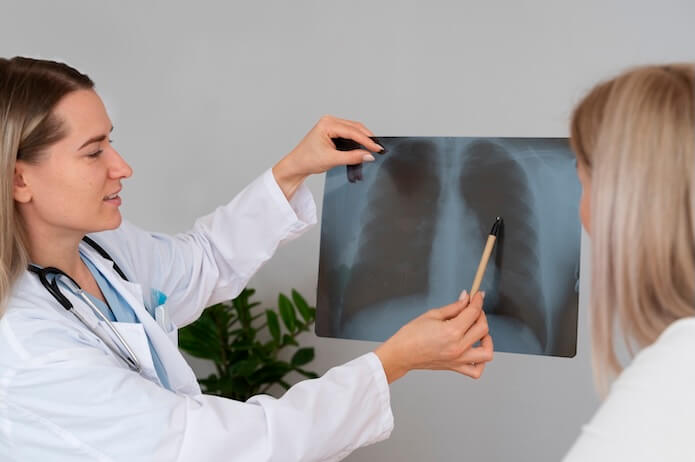
Pulmonary fibrosis is a condition in which lung tissue becomes scarred and thickened, reducing lung flexibility and functionality. In this process, fibroblasts, which are responsible for collagen synthesis, become scar tissue, which leads to compaction of the lung parenchyma. Over time, this causes diffuse interstitial fibrosis, the end result of which is respiratory failure. Pulmonary fibrosis can be idiopathic, meaning that its cause cannot be determined, or secondary, related to other factors or diseases.
Pulmonary fibrosis is a chronic, progressive lung disease that causes permanent damage to lung tissue. As a result of this condition, the lungs gradually lose their ability to efficiently transfer oxygen to the bloodstream, causing breathing problems and reduced quality of life. One of the main challenges is the early diagnosis of pulmonary fibrosis, which is often difficult due to non-specific symptoms. In this article, we will look at the definition, causes, symptoms, diagnostic process and treatment options of pulmonary fibrosis.
What is pulmonary fibrosis?
Definition and general information
Pulmonary fibrosis is a condition in which lung tissue becomes scarred and thickened, reducing lung flexibility and functionality. In this process, fibroblasts, which are responsible for collagen synthesis, become scar tissue, which leads to compaction of the lung parenchyma. Over time, this causes diffuse interstitial fibrosis, the end result of which is respiratory failure. Pulmonary fibrosis can be idiopathic, meaning that its cause cannot be determined, or secondary, related to other factors or diseases.
This disease is widespread in older adults and is often diagnosed in people over 50 years of age. Pulmonary fibrosis is a chronic and incurable disease, but modern medicine has available treatments that can slow its progression and improve the patient's quality of life.
Causes of pulmonary fibrosis
Idiopathic pulmonary fibrosis
Idiopathic pulmonary fibrosis (IPF) is the most common type of pulmonary fibrosis in which the cause of lung tissue damage is unknown. IPF is a rare disease, but it is the most common form of idiopathic interstitial pneumonia. This disease is characterized by progressive pulmonary fibrosis and rapid deterioration of respiratory function. Although the exact cause is unknown, it is believed that genetic factors and environmental influences such as smoking may play a role in the development of the disease. IPF is associated with reduced quality of life and high mortality because the disease is often diagnosed at a late stage.
Secondary pulmonary fibrosis
Environmental and occupational factors
Certain environmental and occupational factors are known to be risk factors for the development of pulmonary fibrosis. For example, long-term exposure to dust, chemicals, or other toxic substances can contribute to lung tissue damage and the development of fibrosis. Workers who are exposed to asbestos, silicon, or metal dust are at a higher risk of developing the disease. Therefore, it is essential to follow occupational safety regulations and use appropriate protective equipment to reduce exposure to these substances.
Symptoms and signs
Early symptoms
Early symptoms of pulmonary fibrosis are often nonspecific and may include shortness of breath, especially during physical activity, and a dry cough. These symptoms are often associated with other, less serious respiratory diseases, so early recognition of fibrosis is difficult. Patients may also complain of fatigue, weight loss, and muscle or joint pain. The gradual development of these symptoms can lead to ignoring the symptoms or creating incorrect diagnoses, which hinders timely treatment. Therefore, it is important that patients and healthcare professionals are aware of the potential seriousness of these symptoms.
Symptoms of progression
As the disease progresses, symptoms become more severe and include persistent shortness of breath, even at rest, and a chronic cough. Patients with pulmonary fibrosis may also experience chest discomfort and increased oxygen demand. Progressive pulmonary fibrosis can cause hypoxemia, characterized by reduced oxygen levels in the blood, as well as digital clubbing, manifested by thickening of the fingertips. These symptoms significantly affect the patient's daily life and functionality, necessitating emergency medical intervention and intensive treatment to prevent further deterioration.
Complications
Pulmonary fibrosis can lead to a number of serious complications, including pulmonary hypertension, high blood pressure in the arteries of the lungs, which increases the workload on the heart and can lead to failure of the right heart chamber. Also, the risk of developing lung infections increases, taking into account lung tissue damage and weakening of the immune system. These complications can further worsen the patient's health and quality of life, so it is important to diagnose and treat them in time.
Diagnostic process
Medical history and physical examination
The process of diagnosing pulmonary fibrosis begins with a thorough medical history and physical examination. The doctor collects information about the patient's symptoms, their onset and development, working and living conditions, as well as family history. Past medical history is also taken into account, including occupational diseases and smoking habits. Physical examination may reveal wheezing, which is characteristic of pulmonary fibrosis, as well as other signs. The purpose of this stage is to establish a preliminary diagnosis and direct further diagnostic procedures.
Imaging and tests
Several imaging and laboratory tests are performed to confirm the diagnosis of pulmonary fibrosis. High-resolution computed tomography (HRCT) is the gold standard in the diagnosis of pulmonary fibrosis, as it allows visualization of interstitial lung tissue changes and characteristic formations. Additional tests may include lung function tests, such as spirometry, which measures lung volume and gas exchange. Laboratory tests can help rule out autoimmune diseases or infections as possible causes. A biopsy, although rarely necessary, can provide information on microscopic tissue changes, helping to differentiate the type of fibrosis.
Diffusion capacity test
In addition to spirometry, a diffusion capacity test can be performed, which assesses the exchange of oxygen between the lung alveoli and the blood. It is an important diagnostic tool because reduced diffusion capacity is characteristic of pulmonary fibrosis and can help assess the severity and progression of the disease. The test results provide valuable information for developing a treatment plan and monitoring the patient.
Treatment options
Oxygen therapy and rehabilitation
Oxygen therapy is an essential part of the treatment of patients with pulmonary fibrosis who suffer from hypoxemia. Its purpose is to improve oxygen supply to tissues, reduce shortness of breath and fatigue, and improve the overall quality of life. Oxygen therapy can be performed both at home and in a hospital. In addition to oxygen therapy, pulmonary rehabilitation programs that include exercise, education, and support have been shown to improve physical ability and quality of life. Rehabilitation helps patients better understand their disease and learn breathing techniques that ease symptoms on a daily basis.
Surgical intervention
Surgical intervention in pulmonary fibrosis includes lung transplantation, which is indicated in the most severe cases when conservative therapy is ineffective. Lung transplantation can significantly improve survival and quality of life, but is associated with high risks, including rejection and infection. The selection of candidates for transplantation is a careful process that takes into account the patient's general health, the severity of the disease and other factors. After transplantation, patients require long-term immunosuppressive therapy to prevent rejection, as well as regular medical examinations.
Quality of life improvement and prognosis
Lifestyle changes
For patients with pulmonary fibrosis, it is important to make lifestyle changes that can help improve overall health and reduce the symptoms of the disease. This includes stopping smoking, as tobacco smoke can impair lung function and contribute to the progression of fibrosis. Regular, appropriate physical exercise can improve physical endurance and respiratory muscle strength. It is also recommended to maintain a healthy diet that strengthens the immune system and maintains optimal body weight. Psychological support and stress management also play a vital role in helping patients cope with the emotional challenges of living with a chronic illness.
Long-term prognosis
Conclusions
Summary and recommendations
Pulmonary fibrosis is a serious and complex disease that requires early recognition and careful treatment. Although it is incurable, modern medicine offers several treatment options that can improve patients' quality of life. It is important for patients to cooperate with healthcare professionals, follow a treatment plan, make necessary lifestyle changes and participate in rehabilitation programs. In addition, constant research and the development of new therapies are needed to improve understanding of the disease and offer even more effective treatments in the future. Health care providers must provide a holistic approach that includes not only medical but also psychological and social support.
New approaches and future perspectives
In the future, new approaches to the treatment of pulmonary fibrosis are expected, including personalized medicine based on individual genetic and molecular profiles. Such approaches could improve treatment efficacy and reduce side effects. In addition, various biologic therapies are being investigated that could more specifically affect the mechanisms of fibrosis. These developments could offer new hope to patients and improve disease outcomes in the long term.