Pneumonia - when a common cold turns into a life-threatening lung infection!
Pneumonia is an acute respiratory infection characterized by inflammation of the alveoli and accumulation of fluid or pus in the lungs. This condition can be localized to one lung (unilateral pneumonia) or both lungs (bilateral pneumonia). The main causes of pneumonia are various pathogenic microorganisms, including bacteria, viruses, fungi and mycoplasmas. The most common cause of bacterial pneumonia is Streptococcus pneumoniae, but the influenza virus is often found in viral pneumonia.
Pneumonia is a major public health problem that affects millions of people worldwide each year. It is a serious infectious disease that can cause a wide spectrum of symptoms and potentially severe consequences. This article will provide an overview of the nature, types, symptoms, diagnosis, treatment options and prevention of pneumonia according to current standards of medical guidelines.
What is pneumonia?
Definition and causes
Pneumonia is an acute respiratory infection characterized by inflammation of the alveoli and accumulation of fluid or pus in the lungs. This condition can be localized to one lung (unilateral pneumonia) or both lungs (bilateral pneumonia). The main causes of pneumonia are various pathogenic microorganisms, including bacteria, viruses, fungi and mycoplasmas. The most common cause of bacterial pneumonia is Streptococcus pneumoniae, but the influenza virus is often found in viral pneumonia. Mycoplasma pneumoniae is caused by Mycoplasma pneumoniae and usually affects children and young adults. Pneumonia can also occur as a complication of other infections and exacerbations of chronic respiratory diseases such as chronic obstructive pulmonary disease (COPD).
Several risk factors can contribute to the development of pneumonia, including age (infants and the elderly are more at risk), a weakened immune system, smoking, and chronic diseases such as diabetes or kidney disease. These factors can affect the body's ability to fight infections, increasing the risk of developing pneumonia.
Types of pneumonia
Bacterial pneumonia
Viral pneumonia
Mycoplasma pneumoniae
Symptoms and diagnostics
Main symptoms
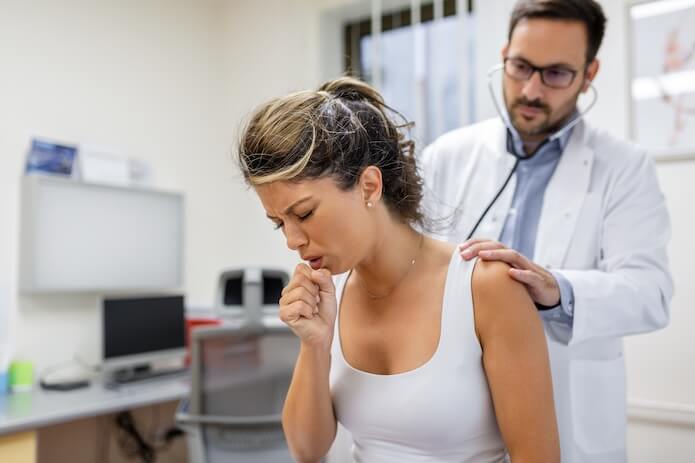
The symptoms of pneumonia can vary greatly depending on the infectious agent, the patient's age and health status. However, the most common symptoms of pneumonia are fever, cough that may be dry or with phlegm, shortness of breath, chest pain that worsens with breathing or coughing, and general malaise. Some patients may also experience headache, muscle aches, loss of appetite, and children may experience abdominal pain and vomiting. Especially in the elderly, pneumonia can present with atypical symptoms, such as confusion or changes in level of consciousness. This emphasizes the need for careful clinical evaluation, especially in at-risk patients.
Diagnostic methods
Treatment options
Lifestyle changes and recovery
A healthy lifestyle and adequate recovery are essential parts of treating pneumonia. Patients are advised to get enough rest and drink enough fluids to prevent dehydration. A balanced and nutrient-rich diet can help strengthen the immune system and help the body recover. Quitting smoking is essential not only during the recovery period, but also as a preventive measure against future respiratory infections. Additional precautions, such as hand washing and avoiding close contact with sick individuals, can help prevent the spread of infection among family members and the public.
Prevention
Vaccination and hygiene measures
Prevention of pneumonia is an essential public health strategy to reduce the prevalence and severity of the disease. Vaccination is one of the most effective means of prevention. Pneumococcal vaccines such as PCV13 and PPSV23 are available to protect against bacterial pneumonia caused by Streptococcus pneumoniae. The flu vaccine is essential to prevent pneumonia caused by the flu virus. Vaccination is especially recommended for at-risk groups, including young children, the elderly, and those with chronic health conditions or weakened immune systems.
In addition to vaccination, hygiene measures such as regular hand washing and respiratory hygiene, such as coughing or sneezing into your elbow, can help reduce the risk of transmitting infections. Informing the public about these preventive measures is essential to reduce the spread of pneumonia and protect both individual and public health.
Other prevention strategies
Along with vaccination and hygiene measures, it is important to promote a healthy lifestyle, which can strengthen the immune system and reduce the risk of infection. Regular physical activity, getting enough sleep and eating a balanced diet are important factors that can contribute to overall health and immunity. Quitting smoking and avoiding second-hand smoke is especially important, as tobacco smoke can damage the airways and increase the risk of pneumonia. Limiting alcohol consumption is also important, as excessive alcohol consumption can weaken the immune system.
Complications and long-term effects
Pneumonia can cause several complications, especially if it is not recognized and treated in time. Common complications include pleurisy, which is inflammation of the pleura around the lungs, and pleural effusion, where fluid builds up in the pleural cavity. In severe cases, respiratory failure may develop, requiring intensive medical care. With bacterial pneumonia, there is also the risk that the bacteria can enter the bloodstream, causing sepsis, a life-threatening condition.
Long-term effects may be more pronounced in the elderly and those with chronic health conditions. Some patients may experience prolonged fatigue and reduced respiratory function. Therefore, it is important not only to treat the acute phase, but also to monitor and rehabilitate the recovery period to prevent long-term negative outcomes.
Conclusions
Summary and recommendations
Pneumonia is a serious infectious disease that can cause serious consequences, especially in risk groups. Early recognition, accurate diagnosis and appropriate treatment are important to reduce the risk of complications and promote successful recovery. It is essential that patients and health care professionals are aware of the symptoms of pneumonia and prevention options such as vaccinations and hygiene measures. Health promotion and prevention strategies should be promoted at community and individual levels to reduce the burden of pneumonia and improve health. Through adherence to medical guidelines, patient safety and education, we can effectively address the challenges of pneumonia and promote public health.