All about tuberculosis - how it spreads and how to protect yourself?
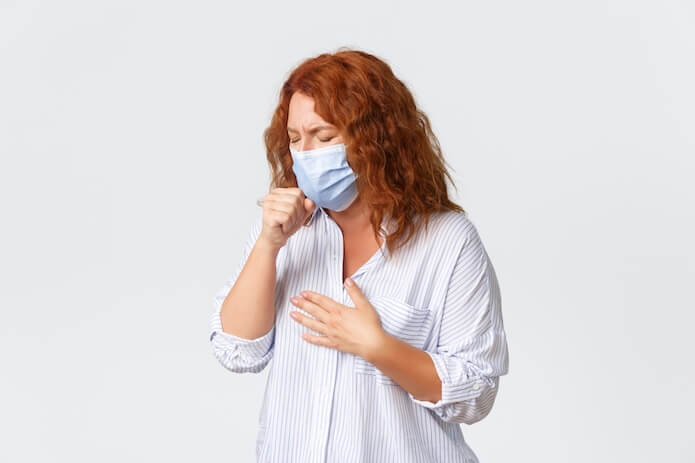
Tuberculosis (TB) is one of the oldest and most documented infectious diseases in human history, which continues to pose a serious public health problem worldwide. This disease is the leading cause of death from infection and affects millions of people every year. Tuberculosis mainly affects the lungs, but it can also affect other organs, causing various clinical syndromes.
Tuberculosis (TB) is one of the oldest and most documented infectious diseases in human history, which continues to pose a serious public health problem worldwide. This disease is the leading cause of death from infection and affects millions of people every year. Tuberculosis mainly affects the lungs, but it can also affect other organs, causing various clinical syndromes. The prevalence of the disease is closely related to socioeconomic factors and is common in developing countries where access to medical care and preventive measures is limited.
What is tuberculosis?
Definition and general information of tuberculosis
Tuberculosis is an infectious disease caused by the bacterium Mycobacterium tuberculosis. This bacterium is spread through airborne droplets when an infected person coughs, sneezes or talks. Tuberculosis primarily affects the lungs (pulmonary tuberculosis), but can also spread to other parts of the body, such as the lymph nodes, bones, brain, kidneys, and skin, causing extrapulmonary tuberculosis.
History and distribution of the disease
Tuberculosis has been known for thousands of years. Archaeological excavations have revealed human remains with signs of TB dating back more than 4,000 years. In the 19th century, tuberculosis, or the "white plague", was the leading cause of death in Europe and North America. Although the prevalence of the disease has declined significantly with medical advances and improved public health initiatives, tuberculosis remains widespread, especially in regions with high HIV infection rates and poverty.
Causes and transmission
Factors causing tuberculosis
Tuberculosis is caused by the Mycobacterium tuberculosis complex (MTBC), which includes several species of mycobacteria. The onset of infection occurs more often in people with a weak immune system, such as those infected with HIV or people with diabetes. Other at-risk groups include the poor, who have poor living conditions, malnutrition and limited access to health care.
Disease transmission mechanisms
Tuberculosis is spread through airborne droplets produced when an infected individual coughs, sneezes or talks. Bacteria can stay in the air for a long time, and when another person breathes them in, they can enter the lungs and cause an infection. Tuberculosis transmission is more effective in closed or poorly ventilated rooms where people are in close proximity to each other for long periods of time.
Symptoms and diagnostics
Early and late symptoms
Tuberculosis can manifest itself with different symptoms depending on the location of the infection. Early symptoms of pulmonary tuberculosis include a persistent cough, sputum production, chest pain, and weakness. If the disease progresses, hemoptysis (coughing up blood), weight loss, night sweats and fever may appear. Extrapulmonary tuberculosis manifests itself depending on the affected organ, for example, renal tuberculosis can cause hematuria, and meningitis forms can cause neurological symptoms.
Diagnostic methods
Additional diagnostic considerations
Although traditional diagnostic methods are effective, faster and more accurate diagnostic methods are also being developed today. Molecular diagnostics, such as the GenXpert test, can rapidly detect M. tuberculosis and its resistance to rifampicin, which is essential for initiating the correct treatment. New developments also include microbiome analysis and cytokine profiling, which can provide information on a patient's immune response and disease prognosis.
Treatment
Treatment of multidrug-resistant and extensively drug-resistant TB
Alternative treatment methods
Prevention and Control
Vaccination and public education
The BCG vaccine is one of the most widely used methods to prevent tuberculosis, especially in children. Although the vaccine does not provide complete protection against pulmonary TB, it reduces the risk of severe forms and complications. Public education about tuberculosis is another important aspect of prevention, which includes providing information about the symptoms and modes of transmission of the disease, promoting early diagnosis and treatment.
Disease control
Control involves public health strategies that include early identification and isolation of infected individuals, contact tracing, and preventive therapy for at-risk groups. Surveillance and infection control measures in healthcare facilities are essential to prevent nosocomial TB infections. Globally, initiatives are underway to reduce the prevalence of TB, particularly in high-incidence regions, through improved diagnostic methods and increased access to treatment.
Socioeconomic factors and their impact
Socioeconomic factors such as poverty, malnutrition and poor living conditions have a significant impact on the prevalence of tuberculosis. Therefore, preventive measures should also include improving the living conditions of society, for example, ensuring access to quality health care and education. Effective control requires an interdisciplinary approach that includes health care, education and social policy.
Public health initiatives
Public health initiatives, such as those coordinated by the World Health Organization (WHO), are essential to reducing the spread of tuberculosis. These initiatives focus on promoting a comprehensive approach that includes prevention, early diagnosis and effective treatment. It is also important to ensure that governments and non-governmental organizations work together to improve access to health care and educate the public about TB risks and prevention methods.
International cooperation
Conclusions
Key points and recommendations
Tuberculosis continues to be a global health problem that requires an integrated approach to prevention, diagnosis and treatment. Effective control of tuberculosis requires public awareness, affordable vaccination and improved access to diagnostics and treatment. Individual and community-level interventions can significantly reduce TB-related mortality and morbidity.
Future perspectives and research directions
Future research could focus on developing new vaccines and treatment strategies that are more effective against resistant forms of TB. It is also important to continue research into immunotherapy and other innovative treatments that could improve treatment outcomes. Global cooperation and resource mobilization are needed to prevent the spread of tuberculosis and provide effective assistance to the most affected communities. Further cooperation between countries and international organizations is critical to ensure a unified approach to combating this disease.
Use of innovative approaches and technologies
Further innovations, such as the use of digital health technologies, may be instrumental in improving TB control. Mobile health apps and video consultations can facilitate patient follow-up and treatment compliance monitoring, especially in remote or resource-poor regions. In addition, data analytics and artificial intelligence can help identify disease patterns and improve public health strategies.
Implications for global health policy
Tuberculosis control is an important component of global health policy and requires constant attention at the international level. Ending TB by 2030 is one of the UN's Sustainable Development Goals and requires broad political and financial commitment. In this context, it is essential that TB control strategies are integrated with other health and development programs to ensure a sustainable and comprehensive approach.