Constipation is an uncomfortable but very common problem. How to deal with it?
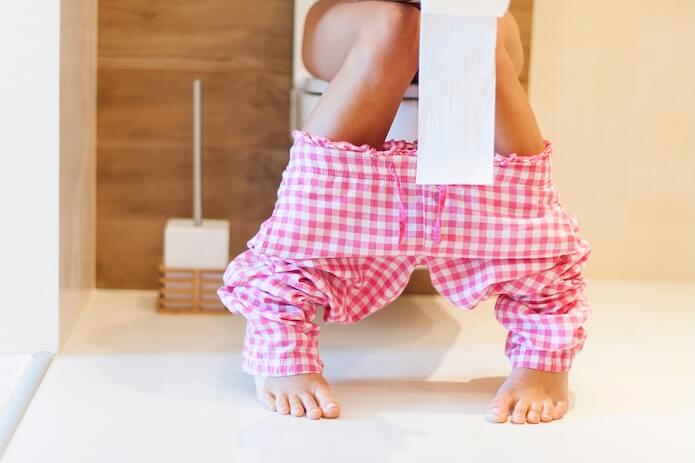
Constipation is a common digestive disorder characterized by irregular or difficult bowel movements. A normal bowel rhythm can vary from person to person, but usually involves emptying the bowels three times a week to three times a day. Constipation can be defined as having bowel movements less than three times a week and accompanied by hard, dry stools that cause discomfort or pain. This condition can be temporary or chronic.
What is constipation?
Constipation is a common digestive disorder characterized by irregular or difficult bowel movements. A normal bowel rhythm can vary from person to person, but usually involves emptying the bowels three times a week to three times a day. Constipation can be defined as having bowel movements less than three times a week and accompanied by hard, dry stools that cause discomfort or pain. This condition can be temporary or chronic.
A variety of factors can contribute to constipation, including diet and lifestyle changes, as well as medical conditions. People often experience constipation when their diet lacks fiber or fluids, and when they have a low level of physical activity. Chronic constipation may require medical intervention and a long-term treatment plan.
It is important to distinguish constipation as a symptom from other conditions, such as irritable bowel syndrome, colon diverticulosis, or colon cancer. Therefore, accurate diagnosis and treatment are essential to prevent possible complications and improve quality of life.
Causes of constipation
Constipation can occur for a variety of reasons and can be divided into two main categories: lifestyle factors and medical conditions.
Dietary and lifestyle factors
These factors are often the main causes of constipation. The most common of these include:
- Inadequate fiber intake: fiber helps to form softer and bulkier stools, facilitating their passage through the intestinal tract. A diet low in fiber can cause constipation. Fiber falls into two main categories: soluble and insoluble. Soluble fiber, found in fruits and vegetables, forms a gel-like mass that helps retain moisture in the intestines. Insoluble fiber, found in bran and whole grains, increases the bulk of stools and promotes their movement.
- Insufficient fluid intake: water helps to soften the contents of the intestines, so insufficient fluid intake can lead to hard stools. The body uses water to help digest food and aid in the absorption of nutrients. If water intake is insufficient, the body can suck fluids from the contents of the intestines, making the stools harder.
- Low physical activity: regular physical activity stimulates the bowels, and a sedentary lifestyle can contribute to constipation. Physical activity promotes intestinal peristalsis—wave-like muscle contractions that help move intestinal contents.
- Bad eating habits: Irregular meals or too much time between meals can affect bowel function. Meal regularity helps maintain a stable digestive rhythm.
Symptoms of constipation
Constipation symptoms can be varied and vary from individual to individual. The main symptoms are:
- Decreased frequency of bowel movements: fewer than three bowel movements per week.
- Hard and dry faeces: difficult to pass, which can cause discomfort or pain.
- Abdominal discomfort or pain: often associated with abdominal bloating or pain.
- Feeling of incomplete emptying: even after emptying the bowels, there may be a feeling that the bowels have not been completely emptied.
- Bloated stomach: intestinal gas can cause bloating and discomfort.
- Loss of appetite: a feeling of heaviness in the stomach can cause a decrease in appetite.
The intensity and frequency of these symptoms can vary, and chronic constipation can be associated with more serious health problems, such as anal fissures or hemorrhoids.
Diagnostic methods
Diagnosing constipation begins with a thorough history and physical examination. In some cases, additional tests may be needed to determine the underlying cause.
Physical examination
A physical examination helps assess your general health and identify any physical signs that may indicate the cause of constipation. The doctor may check for bloating, pain, or other symptoms, and may perform a rectal exam to assess the condition of the bowel.
Additional tests and analyses
If necessary, your doctor may recommend additional tests, such as:
- Blood tests: to check hormonal balance or signs of inflammation. Hormonal imbalances, for example, can indicate a thyroid disorder.
- Colonoscopy: an exam that looks inside the colon to rule out polyps or tumors. This examination is especially important if colon cancer is suspected.
- X-ray or CT scan: to assess the structure of the intestines and abdominal organs. These imaging techniques can help identify intestinal obstruction or other structural abnormalities.
These diagnostic methods help determine the exact cause of constipation and develop an appropriate treatment plan.
Treatment options
Lifestyle and diet changes
In many cases, constipation can be prevented or reduced by making lifestyle and dietary changes:
- Increase fiber intake: include more fruits, vegetables, whole grains and other fiber-rich foods in your diet. Enriching fiber in the diet promotes intestinal peristalsis and softens stools.
- Increase fluid intake: drink enough water to help soften the stool. The optimal amount of water per day depends on the individual's lifestyle and health status, but it is often recommended to take in at least 1.5 to 2 liters per day.
- Regular physical activities: daily walking or exercise can stimulate the bowels. Physical activity improves blood circulation and promotes intestinal muscle contractions.
- Regular meals: eat smaller but more frequent meals to encourage bowel movement. Regularity in meals helps maintain the rhythm of digestion and prevent intestinal disorders.
Prevention and preventive measures
To prevent constipation, it is important to follow preventive measures:
- Maintain a balanced diet: include enough fiber and fluid in the diet. A balanced diet promotes gut health and prevents constipation.
- Regular physical activities: promote overall body health and bowel function. Regular physical activity helps to keep the intestinal muscles active and prevent constipation.
- Avoid stress: stress can affect the digestive system, so it's important to find ways to reduce it. Stress management techniques such as meditation or yoga can help improve bowel function.
- Visit the doctor regularly: especially if there is chronic constipation or other indigestion. Regular medical examinations help to detect and treat intestinal problems in time.
Constipation in children
When to seek medical help?
It is important to seek medical attention if:
- Constipation is prolonged or chronic
- Bowel activity suddenly changes
- Have severe abdominal pain or rectal bleeding
- There is unexplained weight loss or loss of appetite
In such cases, it is essential to consult a doctor in order to determine an accurate diagnosis and receive appropriate treatment. Timely medical intervention helps prevent more serious complications and improves the patient's quality of life.
Conclusion
Constipation is a common and often easily treatable condition that can significantly affect quality of life. A proper diet, lifestyle changes and, if necessary, medical treatment can help prevent or reduce the symptoms of constipation. However, it is important to remember that prolonged or severe constipation can be a sign of other, more serious health problems, requiring professional medical attention. With a careful approach and appropriate treatment, most people can successfully overcome the problems caused by constipation and restore normal bowel function.