Hypothyroidism or underfunctioning thyroid gland
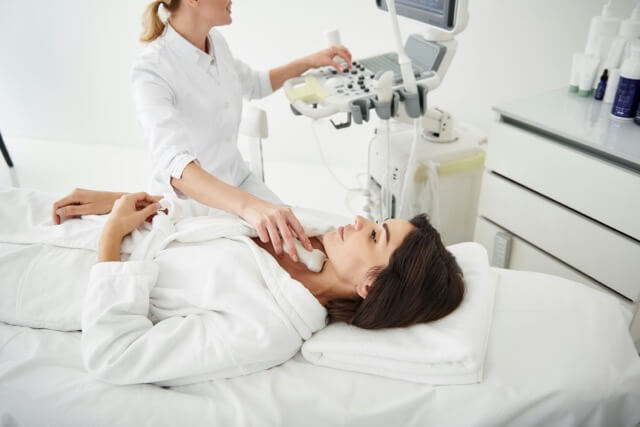
Explore what hypothyroidism is, its causes, symptoms and treatment options. Find out how early diagnosis and proper treatment can improve quality of life and reduce the risk of complications.
Hypothyroidism occurs when the thyroid gland does not produce enough of the hormones that affect metabolism, body temperature and energy. Early diagnosis and treatment improves quality of life by reducing the risk of complications.
What is hypothyroidism?
Hypothyroidism, or underactive thyroid, is a condition in which the thyroid gland does not produce enough hormones, mainly thyroxine (T4) and triiodothyronine (T3). These hormones regulate the metabolic rate and a lack of them can lead to a slower metabolism, fatigue, weight gain and other symptoms.
The role of the thyroid gland in the body
The thyroid gland is a butterfly-shaped gland located at the front of the neck. It produces the hormones T3 and T4, which are essential for the body's energy production and balance. These hormones affect almost every cell in the body, helping to maintain optimal metabolism, body temperature, nervous system function and heart function. The thyroid gland thus has a major impact on our body's health and contributes to overall well-being by ensuring that every organ in the body functions efficiently. An imbalance of hormones can lead to a variety of health problems including fatigue, metabolic disorders and even heart disease.
Causes of hypothyroidism
- Autoimmune disease: the most common cause is Hashimoto's thyroiditis, an autoimmune disease in which the immune system attacks the thyroid cells, reducing their ability to produce hormones. Thyroiditis results from a combination of genetic and environmental factors.
- Thyroid surgery: hypothyroidism can develop after partial or total removal of the thyroid gland.
- Radiation therapyA: therapies used to treat cancer can damage the thyroid gland and cause hypothyroidism.
- Iodine deficiency or excessA: iodine is essential for the synthesis of thyroid hormones. Both iodine deficiency and excess can cause problems.
What are the symptoms of hypothyroidism?
Symptoms can be very varied and develop gradually, often confused with signs of other health problems. People with Hashimoto's thyroiditis should also be tested for other autoimmune diseases. The most common symptoms of hypothyroidism are:
- Fatigue and lack of energy: people with hypothyroidism often have difficulty maintaining energy levels for daily activities.
- Weight gain: a slower metabolism can lead to weight gain, even if diet is unchanged.
- Cold intoleranceA: Thyroid hormones help regulate body temperature, and a lack of them can cause a constant feeling of cold.
- Skin and hair changesA: Dry skin, brittle hair and nails and hair loss can all be linked to a lack of thyroid hormones.
- Mental changesA: depression, memory problems and slow thinking can be symptoms associated with hypothyroidism.
If you notice these symptoms, it is important to consult a doctor to perform the necessary examinations.
How to diagnose hypothyroidism?
The diagnosis of hypothyroidism uses blood tests to determine thyroid function and pinpoint hormonal disorders. The main tests include measuring the level of thyroid stimulating hormone (TSH), which rises when the thyroid gland is unable to secrete enough hormones. In addition, levels of T3 and T4 are also measured - low levels of these hormones indicate insufficient thyroid function.
Doctors often also need to perform an antibody test to determine whether hypothyroidism is linked to an autoimmune disease such as Hashimoto's thyroiditis. The diagnostic process also takes into account the patient's symptoms and medical history to make a comprehensive decision.
Blood tests
Hypothyroidism is diagnosed using blood tests that measure levels of thyroid stimulating hormone (TSH) and thyroid hormones (T3 and T4).
- Low T3 and T4 levelsA: Low thyroid hormone levels are usually a sign of hypothyroidism, but there are other situations in which the levels may be low. This diagnosis needs to be confirmed by several tests and contextual evaluation.
It is strongly recommended to discuss the results of the blood tests with an endocrinologist, GP or other specialist such as a nutritionist or immunologist to ensure a comprehensive approach to treatment.
Diagnostic criteria
Diagnostic criteria for hypothyroidism include elevated TSH levels and reduced levels of the thyroid hormones T3 and T4.
- Normal TSH levelsA: TSH between 0.5 and 5.0 mIU/L is considered normal.
- HypothyroidismA: TSH levels above 5.0 mIU/L and low T4 (below 4.5 µg/dL) and T3 (below 75 ng/dL) levels are usually indicative of hypothyroidism, but these levels may also be low in other cases, such as severe illness or an unbalanced diet.
What are the complications of hypothyroidism?
Untreated hypothyroidism can lead to a number of serious health complications that have a significant impact on the patient's quality of life. One of the most serious is myxoedema, a condition that causes a marked slowing of body functions and can be life-threatening if left untreated. It can occur in about 5-10% of patients with a severe diagnosis of hypothyroidism.
Hypothyroidism can also lead to heart problems, such as increased cholesterol levels, which can contribute to the development of atherosclerosis and increase the risk of heart attack - studies show that hypothyroidism can increase the risk of coronary heart disease by around 20%.
In addition, untreated hypothyroidism can also cause mental health problems such as depression or cognitive impairment, which of course affect the patient's daily life. Studies show that up to 60% of patients with hypothyroidism experience some kind of mental health disorder, such as depression or anxiety.
- Myoxedema: a severe form of hypothyroidism that can be life-threatening if left untreated. It causes very low body temperature, low blood pressure and slow heart rate.
- Heart problemsA: Increased cholesterol levels and risk of atherosclerosis may be associated with hypothyroidism.
- InfertilityA: A lack of thyroid hormones can affect reproductive health and reduce fertility.
Treatment and control of hypothyroidism
Hypothyroidism cannot be cured completely, but can be successfully controlled with hormone replacement therapy, lifestyle adjustments and regular monitoring:
- Hormone replacement therapyA: Ivothyroxine is a synthetic hormone that effectively replaces the missing T4 hormone. T4 is the main hormone secreted by the thyroid gland and is converted into its most active form, T3, in the body. This ability to convert T4 into T3 allows levothyroxine to effectively normalise thyroid function in the majority of patients.
- Regular monitoring of TSH levels: blood tests every 6-12 months help to monitor TSH levels and adjust the dosage to ensure optimal hormone balance.
- The importance of diet and nutritionA balanced diet with adequate intake of iodine (e.g. seafood, iodised salt), selenium (e.g. Brazil nuts, fish) and other essential nutrients is important for thyroid health.
Levothyroxine may have various risks, including cardiac arrhythmia, osteoporosis, excessive sweating, insomnia, rapid heart rate and nervousness. Excessive doses may cause symptoms of hyperthyroidism. Consult your doctor (endocrinologist or general practitioner) to adjust the dose to suit your individual needs.
How important is a healthy diet for hypothyroid patients?
Nutrition is essential for hypothyroid patients to ensure optimal thyroid function. Proper nutrition helps to maintain hormone levels, prevent deficiency and reduce symptoms.
- Balanced diet: eat foods rich in nutrients such as iodine (seafood, iodised salt), selenium (Brazil nuts, fish) and zinc (nuts, seeds, whole grains), which are essential for thyroid health.
- Avoidance of goitrogensA: some foods, such as cabbage and broccoli, contain substances that can interfere with thyroid function. They should be consumed in moderation.
Physical activities
Physical activity is important for hypothyroid patients as it helps to improve metabolism, maintain body weight and increase energy levels. At least 150 minutes of moderate-intensity exercise per week is recommended (source: Mayo Clinic).
Hypothyroidism prevention
Although it is not always possible to prevent hypothyroidism, some preventive measures can help:
- Adequate iodine consumption: ensure adequate iodine intake, especially during pregnancy, to prevent thyroid problems. Iodine can be obtained from seafood, iodised salt, dairy products and eggs.
- Regular check-upsA: If you have a family history of thyroid problems, regular check-ups are definitely recommended to help detect changes early.
Life with hypothyroidism
Living with hypothyroidism requires adapting, seeking emotional support, educating yourself about the disease and working with your doctors to improve your health and quality of life.
Emotional support
Living with hypothyroidism can be challenging, as the disease affects not only physical health, but also emotional health. Important:
- Seek support: talk to family, friends, or join support groups.
- Educate yourselfA: knowledge about your disease helps you to better maintain and improve your health, reduce symptoms and complications.
- Consult with specialistsA: endocrinologists, nutritionists and mental health professionals such as psychologists and psychotherapists can be very helpful.
Latest research and technologies
Conclusion
Hypothyroidism is a serious condition that can have a significant impact on quality of life, but with the right treatment and lifestyle changes it can be successfully controlled. It is important to have your thyroid function checked regularly, follow your doctor's instructions and make the necessary lifestyle adjustments. Small changes in your daily routine can make a big difference to your health and well-being.
Additional resources
- The importance of iodine for health (Source: Centre for Disease Prevention and Control)
- Description of hypothyroidism (Source: Mayo Clinic)
- Gita Erta: Thyroid underfunction or hypothyroidism (Source: arsts.lv)
- Una Gailiša: The thyroid gland and its diseases (Source: arsts.lv)
- Thyroid dysfunction in psychiatric practice (Source: Doctus)