Symptoms of tick-borne encephalitis: how to recognize them in time?
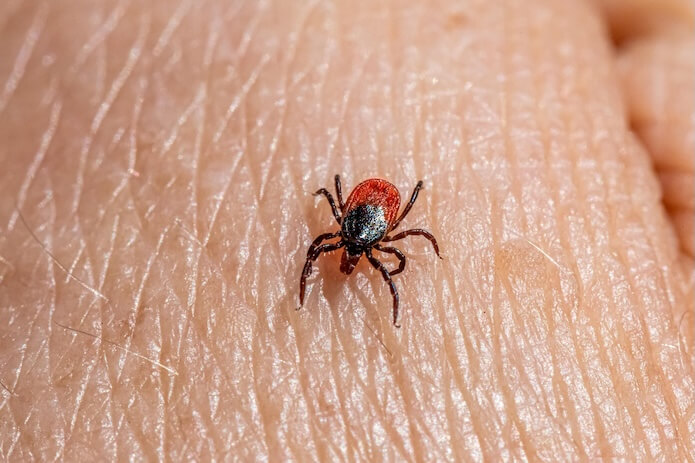
Tick-borne encephalitis is a serious infectious disease caused by a virus from the flavivirus family, which is transmitted to humans through the bite of an infected tick. This disease is widespread in Europe and Asia, including in Latvia, where it is recognized as a significant public health problem. Ticks infected with these viruses are active from spring to fall, and the risk of infection is highest when people spend more time outdoors. Tick-borne encephalitis can cause serious health problems, including inflammation of the brain, or encephalitis, which can lead to neurological complications and, in rare cases, even death.
What is tick-borne encephalitis?
Tick-borne encephalitis is a serious infectious disease caused by a virus from the flavivirus family, which is transmitted to humans through the bite of an infected tick. This disease is widespread in Europe and Asia, including in Latvia, where it is recognized as a significant public health problem. Ticks infected with these viruses are active from spring to fall, and the risk of infection is highest when people spend more time outdoors. Tick-borne encephalitis can cause serious health problems, including inflammation of the brain, or encephalitis, which can lead to neurological complications and, in rare cases, even death.
The incubation period for tick-borne encephalitis is usually 7-14 days, but can vary from 4 to 28 days depending on individual factors and viral load. The disease often occurs in two phases: in the first phase, symptoms are flu-like, while in the second phase, severe damage to the central nervous system develops. Timely recognition and diagnosis of the disease is important to ensure appropriate treatment and reduce the risk of complications. Although vaccination is an effective means of prevention, not all people are vaccinated, so understanding the symptoms of the disease is essential.
Signs and symptoms of tick-borne encephalitis
The symptoms of tick-borne encephalitis develop in two phases, which can make it difficult to recognize the disease in time. In the first phase, symptoms are often confused with those of other viral infections, while in the second phase, symptoms become more pronounced and may affect the central nervous system. Knowing about these symptoms is essential to seek medical help in time.
Early symptoms
The early symptoms of tick-borne encephalitis appear at the end of the incubation period and often resemble the symptoms of the flu:
- Increased body temperature: A fever can reach as high as 39-40 degrees Celsius and is one of the first symptoms of the immune system fighting the virus.
- Headaches: They can be strong and permanent, which indicates inflammatory processes in the body.
- Fatigue and general malaise: Patients often feel very tired, even after adequate rest.
- Muscle pain: This pain can be severe and localized in different parts of the body, similar to the flu.
- Nausea and vomiting: These symptoms may be a sign of intestinal inflammation, which often accompanies infectious diseases.
These symptoms usually last from a few days to a week. Many patients at this stage believe that they have had a minor viral infection and do not realize that it may be tick-borne encephalitis. At this stage, it is important to carefully monitor the development of symptoms, especially if there has been recent contact with a tick.
Progressive symptoms
If tick-borne encephalitis is not recognized and treated in time, the disease can progress and cause more serious symptoms that affect the central nervous system:
- Severe headache: These headaches can be very intense and unbearable, often getting worse over time.
- Neck stiffness and pain (meningitis): Neck muscle stiffness is characteristic of meningitis, an inflammation of the meninges that often accompanies tick-borne encephalitis.
- Disturbance of consciousness, such as confusion or light-headedness: Patients may become disoriented or confused, indicating viral damage to the central nervous system.
- Impairment of coordination and loss of balance: These symptoms indicate brain damage that affects the control of body movements.
- Hacked: Seizures are an important sign of overactive nervous system and can be life-threatening.
- In some cases, paralysis may appear: Paralysis can be partial or complete, depending on which parts of the nervous system are affected.
These symptoms indicate inflammation of the brain and spinal cord, which can cause serious and long-lasting consequences. If any of these symptoms appear, it is important to seek medical attention immediately, as timely intervention can be crucial.
Prevalence of tick-borne encephalitis in Latvia
In Latvia, tick-borne encephalitis is a significant public health problem. Morbidity statistics indicate that several hundred new cases are registered every year, and various regions, such as the Kurzeme and Vidzeme forest areas, are high-risk areas. Tick activity and thus the risk of infection depends on the season and usually increases in spring and summer. The risk of infection is related to several factors, including climatic conditions, tick population density, as well as human activities in nature.
How is tick-borne encephalitis diagnosed?
The diagnosis of tick-borne encephalitis begins with a thorough evaluation of the patient's medical history and physical examination. The doctor may ask about recent outdoor activities and potential exposure to ticks. If tick-borne encephalitis is suspected, several diagnostic tests are performed.
Blood tests are one of the main tools to identify tick-borne encephalitis. A serological examination is carried out to detect antibodies against tick-borne encephalitis virus. IgM antibodies usually appear after the first week, while IgG antibodies may be detected later. The presence of positive IgM antibodies may indicate an ongoing infection.
In more severe cases, cerebrospinal fluid (CSF) analysis, which is obtained by lumbar puncture, may be required. CSF analysis may reveal elevated white blood cell counts and protein levels that indicate inflammation in the brain or spinal cord. This analysis is essential to rule out other possible types of meningitis, such as bacterial meningitis, which require different treatment.
Imaging techniques such as computed tomography (CT) or magnetic resonance imaging (MRI) may be used to assess brain structure and detect possible damage to the central nervous system. Although these tests are not specific for tick-borne encephalitis, they can help rule out other conditions with similar symptoms, such as tumors or blood vessel damage.
Treatment options for tick-borne encephalitis
There is currently no specific antiviral therapy effective against tick-borne encephalitis virus, so treatment is primarily symptomatic and supportive. Patients with more severe symptoms are usually hospitalized for intensive care.
Treatment options include:
- Rehydration: Adequate fluid intake is especially important to prevent dehydration, which can worsen the course of the disease. Intravenous fluid therapy may be necessary in severe cases of dehydration.
- Control of neurological symptoms: In severe cases, anticonvulsant therapy may be necessary if the patient has seizures. This therapy plays an important role in preventing further damage to the nervous system.
- Intensive care: Patients with severe central nervous system damage may require a stay in the intensive care unit, where appropriate support is provided, such as ventilation for breathing problems. This type of care is essential to maintain the patient's vital functions and prevent complications.
Recovery time and outcome may vary depending on the severity of the disease and the patient's overall health. Some patients may require long-term rehabilitation to regain lost function. Long-term complications can include permanent neurological effects, such as cognitive impairment or paralysis, so regular medical check-ups and rehabilitation are important after recovery.
Prevention and protection against tick-borne encephalitis
Prevention is the best way to protect yourself against tick-borne encephalitis, especially for those who often stay in nature or live in endemic regions. There are several ways to reduce the risk of infection.
Vaccination
Vaccination is an effective way to protect yourself from tick-borne encephalitis. Several vaccines against tick-borne encephalitis are available in Latvia, which provide long-term immunity. The vaccination course usually includes three doses and can be started at any time of the year, but preferably in winter or early spring before ticks become active. In addition to initial doses, booster doses are also required to maintain long-term protection.
Vaccination is particularly recommended:
- For people who live or frequent areas with a high incidence of infected ticks
- For persons who often engage in outdoor activities, such as hunters, foresters, tourists
- For children who often stay in nature
Vaccination also has some side effects, such as local reactions at the injection site, fever or fatigue. Before vaccination, it is important to consult a doctor to evaluate possible contraindications, especially if you have allergies or chronic diseases.
Personal protection in nature
In addition to vaccination, there are several steps you can take to reduce the risk of tick bites:
- Wear light-colored clothing that makes it easy to see ticks.
- Choose long sleeves and pants that cover the skin.
- Use tick repellents that contain DEET or other effective repellents.
- After being in nature, carefully check your body and clothing. Pay particular attention to places where ticks can easily attach, such as behind the ears, under the armpits and in the knees.
- Shower after returning home to remove unattached ticks.
What to do if tick-borne encephalitis is suspected?
If symptoms that could indicate tick-borne encephalitis appear after a tick bite, it is important to act immediately.
When to seek medical help
Any tick bite that is followed by flu-like symptoms or unusual symptoms should see a doctor. It is especially important to seek help if:
- Fever and headache get worse
- Neck stiffness or severe neurological symptoms appear
- Symptoms do not go away or worsen after a few days
After receiving help
After receiving medical attention, follow your doctor's instructions and continue to monitor your symptoms. Further monitoring or additional tests may be necessary to ensure a full recovery. Rehabilitation is often required to regain lost function, especially if there has been severe neurological impairment.
Timely diagnosis and appropriate treatment can significantly improve the outcome, so it is important to be alert and act quickly to reduce the complications of tick-borne encephalitis. It is also important to inform relatives and the public about tick-borne encephalitis in order to encourage adherence to preventive measures and timely medical assistance.