Malaria - A Deadly Disease That Still Threatens Millions!
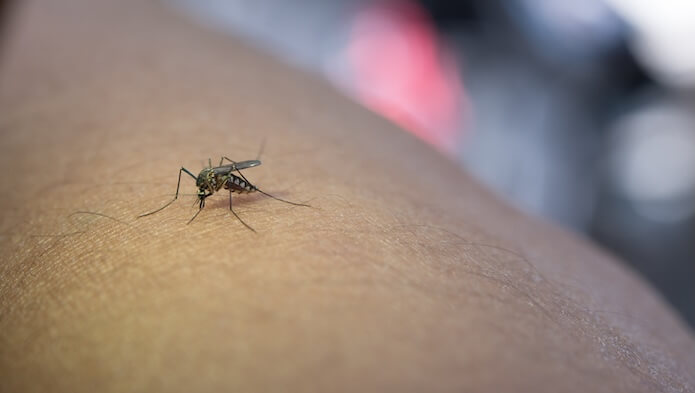
Malaria is one of the most dangerous infectious diseases in the world, with a significant impact on global public health. Transmitted through the bites of Anopheles mosquitoes, this disease can cause severe complications and is responsible for hundreds of thousands of deaths each year, especially in tropical and subtropical regions.
Malaria is one of the most dangerous infectious diseases in the world, with a significant impact on global public health. Transmitted through the bites of Anopheles mosquitoes, this disease can cause severe complications and is responsible for hundreds of thousands of deaths each year, especially in tropical and subtropical regions. This article will discuss the symptoms, diagnosis, and prevention strategies of malaria that are relevant to both medical professionals and the general public.
What is malaria?
Definition and distribution of malaria
Malaria is a parasitic disease caused by parasites of the genus Plasmodium. There are five species of Plasmodium that infect humans: P. falciparum, P. vivax, P. ovale, P. malariae and P. knowlesi. Of these species, P. falciparum is the most dangerous, often causing severe disease and high mortality. Malaria is transmitted through the bites of female Anopheles mosquitoes, which are the main vectors of the disease.
The distribution of malaria is very wide, but the most affected areas are sub-Saharan Africa, Southeast Asia and South America. The World Health Organization (WHO) estimates that approximately 229 million cases of malaria occur each year. This disease is especially dangerous for children under the age of five and pregnant women, who are most vulnerable to severe complications. The economic and social consequences are also significant, as malaria affects labor productivity and the availability of health care resources.
Historical perspective
Malaria has been known for centuries and its impact on humanity has been significant. The word "malaria" comes from the Italian "mala aria", meaning "bad air", because the ancients believed that the disease arose from the fumes of the swamp. The first cause of malaria was discovered in 1880, when Charles Laveran identified the parasite in human blood. Later, in 1897, Sir Ronald Ross demonstrated the role of Anopheles mosquitoes in disease transmission.
Malaria symptoms
Early symptoms
Early symptoms of malaria usually appear 10 to 15 days after infection with the Plasmodium parasite. These symptoms can be non-specific and flu-like, so they are often misdiagnosed initially. Early symptoms include fever, chills, sweating, headache, muscle aches and weakness. Some patients may also experience nausea, vomiting, and diarrhea. This symptom complex, which is often transient, can lead to misdiagnosis and delayed initiation of treatment, so medical professionals must be vigilant, especially in regions with high malaria prevalence.
Progressive symptoms
If malaria is not treated in time, more severe symptoms may develop, indicating the progression of the disease. These symptoms may include high fever, severe headache, severe chills and sweating. Anemia is also common in the advanced stages of the disease, as the parasite destroys red blood cells, which can lead to pallor, fatigue and shortness of breath. Some patients also develop jaundice, which indicates liver damage.
Advanced malaria also has systemic effects that can cause organ damage such as acute kidney failure and pulmonary edema. Untreated malaria can also cause brain damage that manifests as confusion, seizures and coma.
Complications
Malaria complications can be severe and life-threatening. The most severe form is cerebral malaria, caused by P. falciparum infection, which causes brain damage and can quickly lead to death without prompt treatment. This form is characterized by impaired consciousness, convulsions and coma.
Other serious complications include severe anemia, which is common in children, and acute respiratory distress syndrome (ARDS), which affects the lungs. Kidney failure, blood clotting disorders, and hypoglycemia are also common complications, especially in severe malaria.
Diagnostics and tests
Diagnostic methods
Malaria diagnosis is an important step to ensure timely and effective treatment. Diagnosis most often involves evaluation of clinical symptoms along with laboratory tests. The traditional diagnostic method is a blood smear, which allows direct observation of Plasmodium parasites inside red blood cells. This method makes it possible to identify the parasite species and determine the degree of infection.
In addition to blood smears, rapid diagnostic tests (RDTs) are also used, which are particularly useful in regions with limited laboratory equipment. These tests use specific antigens to quickly detect the presence of malaria in the blood. Although RDT tests are effective, their accuracy can vary depending on the test used and the parasite species.
Today, polymerase chain reaction (PCR) tests are used as an additional diagnostic method because they are highly sensitive and specific. However, PCR tests are expensive and require specialized equipment, so they are not widely available in all regions.
Laboratory tests
Laboratory tests are essential to confirm the diagnosis of malaria and assess the severity of the infection. Blood smear is the gold standard for visual identification of Plasmodium parasites and quantitative analysis to assess the level of parasitemia. This test is important to determine the correct treatment strategy and to monitor the effectiveness of therapy.
In addition to the blood smear, a complete blood count and biochemical tests are also performed. A complete blood count helps assess the severity of anemia, as well as other hematologic indicators that may indicate complications. Biochemical tests are used to evaluate liver and kidney function, which is important to assess the systemic effects of the disease and the side effects of therapy.
Rapid diagnostic tests (RDTs) are an alternative to blood smears, especially in resource-limited settings. The RDT identifies specific parasite antigens in the blood and provides a rapid result, which is essential to initiate immediate treatment. However, the accuracy of these tests may vary depending on the parasite species and antigen concentration.
Treatment of malaria
Supportive therapy
Patients with breathing difficulties or pulmonary edema may require oxygen therapy, while renal failure may require hemodialysis. Patients who develop hypoglycemia should receive intravenous glucose.
Supportive therapy also includes nutritional support, as malaria can cause loss of appetite and weight loss. Adequate fluids and electrolytes should be provided to patients, especially in case of vomiting and diarrhea, to prevent dehydration. Regular monitoring of the patient's condition and monitoring of laboratory indicators is essential to detect any complications in time and adjust the treatment.
Prevention and control
Environmental control measures
Environmental control is essential to limiting the spread of malaria because it reduces the mosquito population and their ability to transmit the disease. Measures include eliminating mosquito breeding sites, such as removing standing water or treating with larvicides. Environmental monitoring and education are essential for public awareness of the importance of reducing the spread of mosquitoes.
Indoor insecticide spraying is another effective environmental control measure that reduces mosquito populations in the long term. To be effective, these measures must be carried out regularly and coordinated with other malaria prevention strategies.
A coordinated approach to environmental control and prevention can be critical in reducing the spread of malaria, especially in areas where the disease is endemic.
In conclusion
Key points and recommendations
Malaria is a serious infectious disease that places a significant burden on public health and the economy. Understanding malaria symptoms, diagnostic options, and prevention strategies is essential for both medical professionals and the public.
Global cooperation and resource availability are critical to effectively addressing malaria and improving public health worldwide. With coordinated efforts, it is possible to significantly reduce the spread of malaria and its impact.