Hypertension and heart disease - How does blood pressure affect health?
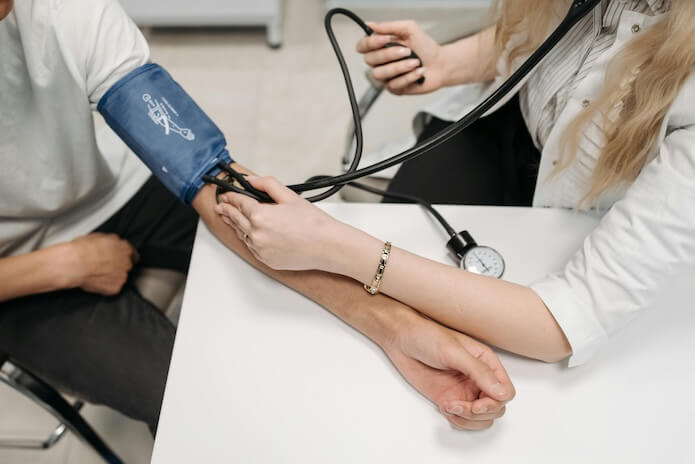
Hypertension is a condition in which the blood pressure in the arteries is chronically elevated. Blood pressure is the force that blood exerts on the walls of blood vessels as the heart pumps blood throughout the body. If this pressure is too high, it can damage the blood vessels and the heart.
Hypertension, often referred to as the "silent killer," is a condition in which blood pressure is persistently higher than normal. It puts an increased strain on blood vessels and the heart, contributing to heart disease, stroke and kidney damage, often without clear symptoms.
What is hypertension?
Hypertension, or high blood pressure, is a condition where the blood pressure in the arteries chronically exceeds normal values. Blood pressure is the force that blood exerts on the walls of blood vessels as the heart pumps blood throughout the body. If this pressure is too high, it can put increased strain on blood vessels and the heart, contributing to vascular damage and increasing the risk of heart disease, stroke and kidney damage.
Normal blood pressure in adults is usually around 120/80 mmHg. If it exceeds 140/90 mmHg for a long time, hypertension can be diagnosed. This condition often develops without obvious symptoms, which is why hypertension is often called the "silent killer," because it can progress unnoticed to serious health problems.
Blood pressure is measured in two values: systolic (top number) and diastolic (bottom number), expressed in millimeters of mercury (mmHg). Normal blood pressure is important for cardiovascular health, while high blood pressure, or hypertension, is a major risk factor for cardiovascular disease, stroke, and kidney problems.
- Systolic blood pressure: the pressure that occurs when the heart contracts and pumps blood.
- Diastolic blood pressure: the pressure that exists in the arteries between heartbeats when the heart is at rest.
What does high blood pressure mean?
High blood pressure (hypertension) starts at 140/90 mmHg and puts an increased strain on the cardiovascular system, which can lead to serious health problems in the long term.
- Second degree (160-179/100-109 mmHg): moderately elevated blood pressure that already requires regular treatment to avoid cardiovascular disease.
- Third degree (180/110 mmHg and above): Severely elevated blood pressure, which creates a high risk of heart disease and stroke, requires immediate treatment.
How to control blood pressure?
Effective blood pressure control is essential for cardiovascular health and reducing the risk of complications. Here are the main steps to keep your blood pressure within normal limits:
Lifestyle change:
- Balanced diet: a Mediterranean-type diet with high consumption of vegetables, fruits, whole grains and healthy fats (such as olive oil) is recommended.
- Low salt consumption: reducing the amount of salt can lower blood pressure. It is recommended to use herbs and spices as substitutes for salt.
- Regular physical activities: At least 150 minutes of moderate aerobic activity per week (eg walking, cycling) is recommended to improve cardiovascular health.
- Smoking cessation: smoking damages blood vessels, so quitting smoking can improve blood pressure and blood vessel health.
- Alcohol restriction: it is recommended not to exceed one dose of alcohol per day for women and two doses for men.
Regular check-ups:
- By checking your blood pressure regularly, it is possible to notice changes in time. If your blood pressure is elevated, it is recommended that you measure your blood pressure at home and write down the values to keep track of changes.
- In consultation with a doctor, a personalized plan can be developed to help control blood pressure and monitor cardiovascular health.
Why is hypertension dangerous?
High blood pressure or hypertension exposes the heart and blood vessels to long-term stress, which can lead to serious health problems and even life-threatening situations. Here are the main ways hypertension affects your health:
Heart diseases:
- Hypertension causes the heart to work harder to pump blood through narrowed blood vessels, which in the long term can weaken the heart muscle and lead to heart failure.
- Coronary heart disease develops when the blood vessels that supply the heart with oxygen and nutrients become damaged or become clogged with plaque, which increases the risk of a heart attack.
Insults:
- High blood pressure damages blood vessels in the brain, making them more fragile and more prone to rupture or blockage. This process can lead to an ischemic or hemorrhagic stroke, which can cause brain damage or even death.
Kidney diseases:
- The kidneys are closely involved in regulating blood pressure, and hypertension can damage the blood vessels in the kidneys, reducing the kidney's ability to filter waste from the blood. Long-term hypertension can lead to chronic kidney disease or kidney failure.
Vision problems:
- Hypertension can damage the delicate blood vessels in the eyes, causing hypertensive retinopathy, which can damage the optic nerve and cause vision loss.
Aneurysms:
- The weakening of blood vessel walls due to hypertension can lead to the formation of an aneurysm, a dangerous bulge in a blood vessel that can burst at any time, causing massive bleeding, such as in the abdominal aorta or cerebral vessels.
High blood pressure can be asymptomatic, so regular check-ups and early treatment are essential to prevent complications from hypertension and maintain cardiovascular health.
Causes of hypertension
Hypertension can develop for a number of reasons, and its causes are divided into two main types: primary (essential) and secondary hypertension.
Primary (essential) hypertension
Most adults with hypertension do not have a specific cause that directly causes high blood pressure. This type of hypertension, called primary or essential hypertension, develops gradually over several years and is caused by several factors:
- Genetics: If you have a family history of hypertension, you are more likely to develop it in future generations.
- Aging: with age, blood vessels lose their elasticity, making them harder, which increases blood pressure.
- Lifestyle factors: insufficient physical activity, unhealthy diet (particularly high salt intake), smoking and excessive alcohol consumption also contribute to the risk of primary hypertension.
Secondary hypertension
Secondary hypertension develops as a result of an underlying medical condition and is often more severe than primary hypertension. It usually occurs suddenly, and its causes are precisely identifiable. The main causes of secondary hypertension are:
- Kidney problems: Kidney diseases and disorders, such as chronic kidney disease or narrowing of the renal artery, can affect the kidneys' ability to regulate blood pressure.
- Thyroid disorders: hypothyroidism or hyperthyroidism can disrupt the balance of hormones that affect blood pressure.
- Hormonal imbalance: Hormonal diseases such as Cushing's syndrome or adrenal gland disorders can cause excessive release of hormones that affect blood pressure.
- Some forms of tumors: for example, a pheochromocytoma, which is a tumor in the adrenal glands, can cause an overproduction of adrenaline and noradrenaline, causing a rapid increase in blood pressure.
- Sleep apnoea: this sleep disorder, in which breathing repeatedly stops during sleep, can cause rapid fluctuations in blood pressure and long-term hypertension.
Both primary and secondary hypertension can have serious consequences if not detected and controlled in time, so it is important to have regular checkups and pay attention to risk factors.
Risk factors
There are several factors that can increase the risk of developing hypertension. Some of these risk factors are modifiable through lifestyle changes, while others are related to genetics or aging.
Age
Blood pressure often increases with age. In men, hypertension develops more often after the age of 45, but in women, the risk increases after menopause, which is associated with hormonal changes and increased stress on the cardiovascular system.
Family history
If there have been cases of hypertension in the family, the risk of getting the disease is higher. Hypertension is often linked to genetic factors that affect blood vessel structure and blood pressure regulation.
Overweight or obesity
Excess body weight forces the heart to work harder to ensure blood flow to the tissues. This puts extra pressure on the blood vessels, which can lead to an increase in blood pressure. Obesity is also often associated with unhealthy diet and low physical activity, which contribute to hypertension.
Sedentary lifestyle
Lack of physical activity causes the heart rate to increase, which makes the heart work harder. A sedentary lifestyle can also increase body weight and contribute to high blood pressure.
A diet high in salt
Excessive salt consumption promotes fluid retention in the body, which increases blood volume and therefore blood pressure. Dietary restriction of salt intake can be a very effective way to lower blood pressure.
Use of alcohol and tobacco
- Alcohol: Excessive alcohol consumption raises blood pressure and can damage the heart muscle, increasing the risk of cardiovascular disease in the long term.
- Smoking: smoking damages blood vessel walls and increases the narrowing of arteries. Substances in tobacco smoke can cause blood vessel inflammation and blood clotting, thereby increasing the risk of hypertension and vascular disease.
Stress
High levels of stress temporarily raise blood pressure because the body releases stress hormones that constrict blood vessels and make the heart beat faster. Prolonged stress and related unhealthy habits, such as overeating, drinking alcohol or smoking, can contribute to chronically high blood pressure.
Controlling risk factors and following a healthy lifestyle can be essential in the prevention of hypertension, helping to maintain blood pressure within normal limits and prevent cardiovascular disease.
Symptoms that cannot be ignored
Hypertension is often called the "silent killer" because it usually develops without any obvious symptoms, and people may not realize they have high blood pressure. However, when blood pressure reaches dangerously high levels, symptoms may appear that should not be ignored:
- Headaches: a strong, throbbing headache, especially in the back of the head, can be a sign of very high blood pressure.
- Dizziness: Dizziness or loss of balance can be the result of high blood pressure affecting blood flow to the brain.
- Shortness of breath: shortness of breath and feeling short of breath can be signs of cardiovascular overload caused by hypertension.
- Palpitations: Rapid heartbeat, palpitations, or irregular heartbeat may be associated with fluctuations in blood pressure.
- Nose bleeding: Although a less common symptom, nosebleeds can sometimes be a sign of a rapid increase in blood pressure to dangerous levels.
These symptoms often appear when blood pressure is very high or a hypertensive crisis develops, which can lead to serious health risks such as stroke or heart attack. If these symptoms occur, it is important to seek medical attention and have your blood pressure checked regularly to prevent serious complications.
How is hypertension diagnosed?
Diagnosing hypertension is an important step in determining the presence of the disease and assessing its severity. It includes blood pressure measurement, regular check-ups and additional examinations to get a more complete picture of the state of health.
Blood pressure measurement
The easiest way to diagnose hypertension is to measure your blood pressure regularly. This can be done by:
- In the doctor's office: Your doctor takes your blood pressure during the visit to evaluate the readings and check if they are outside the normal range.
- At home with an electronic blood pressure monitor: Home measurements can be particularly useful as they allow for more realistic results in everyday conditions and to track pressure fluctuations over the long term.
Ambulatory blood pressure monitoring
In some cases, your doctor may recommend 24-hour blood pressure monitoring (ambulatory monitoring). The patient wears a portable device that automatically measures blood pressure regularly throughout the day and night, providing accurate information about blood pressure changes in various situations and activities.
Additional examinations
If high blood pressure is detected, the doctor may order additional tests to determine the causes of the hypertension and to assess whether there is any effect on the cardiovascular system or other organs:
- Blood and urine tests: Helps measure kidney function, glucose and electrolyte levels that can affect blood pressure.
- Cholesterol level determination: Cholesterol tests provide insight into heart disease risk factors, which are often associated with hypertension.
- Electrocardiogram (ECG): An EKG tests the heart's electrical activity, helping to detect heart rhythm disturbances or previous damage.
- Echocardiography: This ultrasound test helps examine the structure and function of the heart by determining whether hypertension has caused thickening or other changes in the heart muscle.
Diagnosing hypertension and regular blood pressure control are essential to detect the disease early and monitor the effectiveness of treatment.
Treatment options
Lifestyle changes
Healthy diet
- Reduce your salt intake: No more than 5-6 grams of salt per day is recommended. Reduced salt helps prevent fluid retention and lower blood pressure.
- Increase your potassium intake: Potassium helps balance sodium levels in the body and is essential for regulating blood pressure. Sources of potassium are fruits (bananas, oranges) and vegetables (potatoes, spinach).
- Choose whole grains, lean proteins and healthy fats: whole grains, lean meat, fish and healthy fats (olive oil, avocado) promote cardiovascular health.
Physical activities
- Regular moderate intensity activities: At least 150 minutes per week is recommended to improve circulation and heart health.
- Examples of activities: walking, swimming, cycling. These activities strengthen the heart muscles and improve the flexibility of blood vessels.
Weight management
- Maintaining a healthy body weight helps reduce the load on the cardiovascular system and keep blood pressure within normal limits.
Smoking cessation and limiting alcohol consumption
- Smoking: Quitting smoking improves blood vessel health and reduces the risk of hypertension and heart disease.
- Alcohol: recommended to limit to one serving per day for women and two servings for men. Excessive alcohol consumption can increase blood pressure.
Stress controls
- Relaxation techniques: Meditation, yoga, and deep breathing exercises help control stress, which can cause high blood pressure.
- Time management: By planning your day and avoiding overwork, you can reduce stress levels and maintain mental and physical balance.
- Hobbies and leisure: Engage in activities that bring you joy and help you relax. Hobbies help take your mind off sources of stress and improve your mood.
Regular medical check-ups
- Blood pressure control: regular blood pressure measurement allows early detection of changes. If there are risk factors, such as a family history or being overweight, blood pressure monitoring is especially important.
- Cholesterol and sugar level tests: these tests help identify other risk factors associated with heart disease and address them early.
Following these preventive measures can significantly reduce the risk of hypertension and maintain good cardiovascular health.
Conclusion
Additional resources
- Latvian Society of Hypertension and Atherosclerosis: www.hipertensija.lv
- Recommendations of the Ministry of Health: Information on the prevention of cardiovascular diseases.