Coronary heart disease early warning signs that should not be ignored!
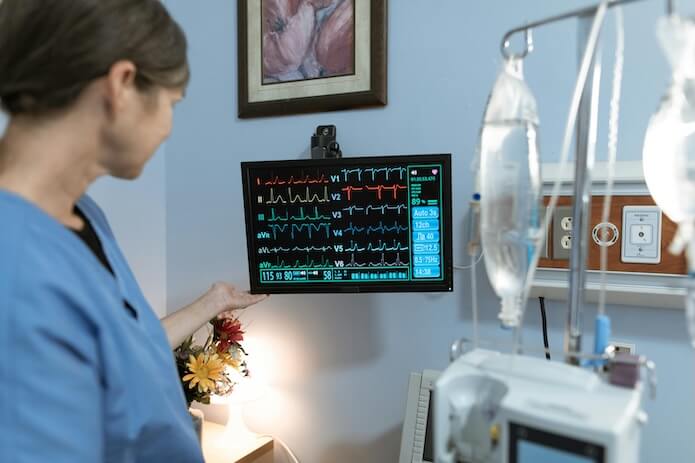
Coronary heart disease is a condition in which the coronary arteries narrow due to the build-up of fatty plaques that restrict blood flow to the heart. This can cause chest pain (angina) or a heart attack. Risk factors for the disease include high blood pressure, high cholesterol levels, smoking and a sedentary lifestyle. Prevention and regular health check-ups are key to maintaining heart health.
Coronary heart disease is a condition in which the coronary arteries become narrowed due to a buildup of fatty plaque that restricts blood flow to the heart. This can cause chest pain (angina) or a heart attack. Risk factors for the disease include high blood pressure, cholesterol, smoking and a sedentary lifestyle. Prevention and regular check-ups are essential to maintaining heart health.
What is coronary heart disease?
Coronary heart disease is a serious condition of the cardiovascular system in which the coronary arteries, the blood vessels that supply oxygen and nutrients to the heart muscle, become narrowed or blocked. This narrowing occurs due to atherosclerosis, when fatty deposits known as plaque build up in the artery walls.
The main factors that cause narrowing of the coronary arteries are:
- Plaque buildup (atherosclerosis): deposits of fat, cholesterol and other substances on the walls of arteries, which reduce the permeability of blood flow.
- Blood clots (thrombi): clots that form on plaques or elsewhere in blood vessels can block blood flow.
- Coronary spasms: a temporary narrowing of the arteries that restricts blood flow to the heart.
When blood flow to the heart muscle is restricted or blocked, the heart does not receive enough oxygen and nutrients. This can lead to angina - pain or discomfort in the chest - or even a myocardial infarction (heart attack), which occurs when part of the heart muscle is permanently damaged due to lack of oxygen.
Understanding the mechanisms of coronary heart disease is essential to prevent the development of the disease, recognize the early symptoms and seek timely medical help. Prevention includes maintaining a healthy lifestyle, controlling risk factors and regular health check-ups.
Why is coronary heart disease dangerous?
Coronary Heart Disease (CHD) is dangerous because it can cause a number of serious and potentially life-threatening complications. These complications affect the heart's ability to function effectively and can cause long-term health problems or even sudden death. Below are the main reasons why CHD is such a serious health threat:
- Heart attack (myocardial infarction): when a coronary artery is completely blocked, blood flow to the heart muscle is cut off. This means that part of the heart muscle does not receive the oxygen and nutrients it needs to function. Because of this lack of oxygen, heart muscle cells begin to damage or die. A heart attack is a medical emergency that requires immediate intervention. The faster blood flow is restored, the lower the risk of permanent damage to the heart muscle. An untreated heart attack can be fatal or have serious long-term health consequences.
- Heart failure: prolonged stress on the heart caused by reduced blood supply due to narrowing of the coronary artery can weaken the heart muscle. When the heart cannot pump blood efficiently throughout the body, heart failure develops. This condition can cause symptoms such as shortness of breath, fatigue, fluid build-up in the legs, abdomen and lungs. Heart failure is a chronic and progressive disease that significantly reduces the quality of life and increases the risk of hospitalization and death.
- Arrhythmias (heart rhythm disorders): heart damage from insufficient blood supply or a heart attack can affect the heart's electrical system. This can cause irregular heartbeats or arrhythmias. Some arrhythmias can be harmless, while others can be life-threatening. Severe arrhythmias, such as ventricular fibrillation, can lead to sudden cardiac death if not treated immediately.
In addition to these main complications, CHD can cause other serious problems:
- Reduced physical capacity: Chest pain and shortness of breath can limit the ability to perform daily activities, affecting quality of life and emotional well-being.
- Heart valve damage: Reduced blood flow can affect the function of the heart valves, putting extra strain on the heart and contributing to the development of heart failure.
- Sudden cardiac death: In some cases, CHD can lead to sudden cardiac arrest without previous symptoms, which is a life-threatening condition that requires immediate resuscitation.
Why is CHD particularly dangerous?
- Gradual development without symptoms: CHD often develops slowly, and symptoms may not be apparent until the disease is advanced. This means that people may not realize they have serious heart problems until severe complications occur.
- Effects on the whole body: the heart is an essential organ that supplies blood to the entire body. Any disturbance in the functioning of the heart can affect the functioning of all organ systems, causing a variety of health problems.
- High risk of mortality: CHD is one of the leading causes of death in the world. Without proper treatment and preventive measures, the disease can be fatal.
- Economic and social impact: CHD can place a significant financial burden on the individual and society as a whole in terms of treatment costs, reduced work capacity and the need for long-term care.
Coronary heart disease is a serious health condition that requires attention and active action. By understanding why CHD is dangerous and recognizing its complications, people can take the necessary steps to reduce their risk. This includes maintaining a healthy lifestyle, controlling risk factors and regular medical check-ups. Early diagnosis and treatment can prevent serious complications, improve quality of life and prolong life.
Causes of coronary heart disease
Coronary heart disease (CHD) occurs when the coronary arteries that supply blood and oxygen to the heart muscle become narrowed or blocked. The main cause of CHD is atherosclerosis, but there are several risk factors that contribute to the development of the disease.
Atherosclerosis
Atherosclerosis is a chronic process in which fat, cholesterol, calcium and other materials build up in the artery walls, forming so-called atherosclerotic plaques. These plaques can gradually narrow the lumen of the artery, limiting blood flow to the heart muscle.
The development of atherosclerosis includes several stages:
- Endothelial damage: damage to the inner wall (endothelium) of the arteries can occur due to high blood pressure, smoking or high cholesterol.
- Lipid accumulation: low-density lipoproteins (LDL or "bad" cholesterol) begin to accumulate in the damaged endothelium.
- Inflammatory reaction: immune cells (monocytes, macrophages) migrate to the site of damage, promoting inflammation and plaque formation.
- Plate maturation: the plaque increases, its surface may become unstable and rupture.
- Blood clot formation: If the plaque ruptures, the blood clotting process can cause a clot to form, which can completely block the artery.
As a result, the heart muscle does not receive enough oxygen and nutrients, which can cause angina or myocardial infarction.
Risk factors
Several factors can accelerate the development of atherosclerosis and increase the risk of coronary heart disease:
- High cholesterol: Elevated levels of low-density lipoprotein (LDL), or "bad" cholesterol, contribute to the accumulation of fatty deposits in artery walls. Low levels of high-density lipoprotein (HDL), or "good" cholesterol, mean that less cholesterol is transported away from the arteries to the liver for disposal.
- High blood pressure (hypertension): persistently elevated blood pressure damages the arterial endothelium, making it more susceptible to the development of atherosclerosis.
- Smoking: Nicotine and carbon monoxide from tobacco damage the heart and blood vessels by increasing blood pressure and reducing the amount of oxygen in the blood. Smoking also promotes the oxidation of LDL cholesterol, which is an important factor in the development of atherosclerosis.
- Diabetes: high blood sugar damages blood vessel walls and increases the risk of atherosclerosis. Diabetes is often associated with other risk factors, such as high blood pressure and cholesterol.
- Overweight and obesity: Excess body weight increases the strain on the heart and is associated with high blood pressure, high cholesterol and diabetes, all of which contribute to the development of CVD.
- Sedentary lifestyle: lack of physical activity contributes to obesity, increases blood pressure and cholesterol levels. Regular physical activity helps improve cardiovascular health.
- Family history: if first-degree relatives (parents, brothers, sisters) have had coronary heart disease at an early age (men under 55, women under 65), your risk is increased. This may indicate a genetic predisposition.
- Age and gender: the risk of CHD increases with age. For men, the risk increases after the age of 45, for women - after the age of 55 or after menopause. In postmenopausal women, estrogen levels decrease, which previously provided protection against atherosclerosis.
Other risk factors include:
- Stress level: chronic stress can raise blood pressure and promote unhealthy habits such as smoking or overeating.
- Poor diet: a diet high in saturated fat, trans fat, salt and sugar contributes to the development of risk factors.
- Alcohol abuse: may increase blood pressure and triglyceride levels, contributing to atherosclerosis.
Important: The presence of risk factors does not mean that you will definitely develop coronary heart disease, but they increase the likelihood. Many risk factors can be controlled or modified through lifestyle changes and medical intervention.
The importance of prevention
By understanding the risk factors and their impact on heart health, it is possible to take steps to reduce the likelihood of developing CHD:
- Healthy diet: Choose foods rich in fiber, omega-3 fatty acids, vitamins and minerals.
- Regular physical activities: At least 150 minutes of moderate-intensity activity per week.
- Quitting bad habits: Stop smoking and limit alcohol consumption.
- Weight management: Maintain a healthy body weight.
- Stress management: Practice relaxation techniques and find ways to reduce everyday stress.
- Regular medical check-ups: Monitor blood pressure, cholesterol and blood sugar levels for early detection and treatment of abnormalities.
Symptoms that cannot be ignored
Symptoms of coronary heart disease can vary and often develop gradually. Sometimes they appear only when the disease has progressed significantly. It is important to recognize these symptoms in order to seek medical help in time and prevent serious complications.
Angina (chest pain)
Angina is one of the most common symptoms of coronary heart disease. It occurs when reduced blood flow to the heart muscle causes chest pain or discomfort.
- Chest discomfort or pain: this may manifest as pressure, squeezing, burning or a feeling of fullness in the center or left side of the chest. Some people describe it as a feeling of heaviness or having an "elephant sitting on their chest".
- Pain can radiate: the discomfort may spread to the neck, jaw, shoulders, back, or one or both arms (often the left arm).
- Symptoms may occur with physical exertion or stress: angina pectoris often occurs during physical activities, moments of emotional stress or after a heavy meal when the heart needs more oxygen. Symptoms usually resolve within a few minutes after rest or nitroglycerin.
Shortness of breath
- Difficulty breathing: Reduced blood flow to the heart can affect its ability to pump blood effectively, causing fluid to build up in the lungs. This can cause shortness of breath during physical exertion or even at rest.
- Shortness of breath: You may feel like you can't take a full breath in or run out of air.
Fatigue
- Constant fatigue: when the heart cannot pump blood efficiently, body tissues do not receive enough oxygen. This can cause fatigue and weakness even during daily activities.
- Reduced stamina: Difficulty doing physical tasks that used to seem easy.
Arrhythmias
- Irregular heartbeat or palpitations: a feeling that the heart is beating too fast, too slowly or irregularly. This can cause dizziness, weakness or even fainting.
Heart attack symptoms
A heart attack or myocardial infarction is a medical emergency. It is important to recognize its symptoms in order to seek help immediately.
- Severe chest pain, which does not go away at rest: the pain can be more intense and last longer than ordinary angina pectoris.
- High sweat, nausea or dizziness: sudden sweating for no apparent reason, vomiting is also possible.
- Shortness of breath and strong weakness: sudden difficulty in breathing, even without physical exertion, and considerable loss of strength.
- Pain in other parts of the body: Discomfort may radiate to the back, neck, jaw or arms.
Important: If you or someone else has symptoms of a heart attack, call 911 right away. Don't procrastinate and wait to see if your symptoms go away. Acting quickly can save a life and reduce the extent of heart damage.
Differences between men and women
Symptoms of coronary heart disease in women may differ from those in men and are often less severe. Women may experience:
- Pain or discomfort in the back, neck or jaw: not the typical chest pain.
- Shortness of breath: even without chest pain.
- Nausea or vomiting: Stomach upset may be more pronounced.
- Fatigue: unusual tiredness that may last for several days.
Because of these differences, women often underestimate the severity of symptoms and do not seek medical help in time.
When to seek medical help
- Regular symptoms: if you often experience chest pain, shortness of breath or other symptoms mentioned above, consult your doctor. early diagnosis and treatment can prevent disease progression.
- Sudden or intense symptoms: Call 911 immediately if symptoms are severe, appear suddenly, or worsen.
Self-esteem and risk factors
- Be aware of your risk factors: If you have high blood pressure, high cholesterol, diabetes, smoke, or a family history of heart disease, be especially alert to any symptoms.
- Regular check-ups: even if you don't feel symptoms, regular medical check-ups can help detect the disease at an early stage.
The importance of prevention
- Healthy lifestyle: maintain a balanced diet, exercise regularly, quit smoking and limit alcohol consumption.
- Stress management: Reduce stress with relaxation techniques such as meditation, yoga or deep breathing.
- Cooperation with healthcare professionals: Work with your doctor to control risk factors and develop a personalized health plan.
How is coronary heart disease diagnosed?
Early diagnosis of coronary heart disease (CHD) is essential to prevent serious complications and initiate appropriate treatment. The diagnosis process usually involves a combination of several steps, including a medical history, physical examination, and specialized diagnostic tests.
Medical history and physical examination
The first step in the diagnosis of CHD is a detailed analysis of the patient's medical history and symptoms.
- Evaluation of symptoms: your doctor will ask about symptoms such as chest pain, shortness of breath, fatigue and palpitations. He will also be interested in when these symptoms appear and what could be causing or exacerbating them.
- Lifestyle and risk factors: your lifestyle will be discussed, including smoking habits, diet, physical activity, alcohol consumption and stress levels.
- Family history: your doctor will ask about your family history of heart disease, as genetic factors can increase your risk of CHD.
Physical examination Including:
- Assessment of heart rate and rhythm: the doctor will listen to your heart with a stethoscope to detect possible noises or irregular rhythms.
- Blood pressure measurement: high blood pressure is a significant risk factor for CHD.
- Pulse check: the pulse and its regularity are assessed.
- Evaluation of other signs: the doctor will check for swelling in the legs or other areas of the body that could indicate heart problems.
Diagnostic tests
Several diagnostic tests are used to confirm the diagnosis and assess the severity of the disease.
Electrocardiogram (ECG)
- What it is: An EKG is a non-invasive test that records the electrical activity of the heart using electrodes attached to the skin.
- What it shows: An EKG can detect irregular heart rhythms, previous heart attacks, enlargement of the heart muscle, or other electrical activity abnormalities.
- The course of the procedure: the test is quick and painless, usually taking a few minutes.
Load test (stress test)
- What it is: an exercise test assesses how the heart responds to physical exertion, usually using a treadmill or exercise bike, while recording an EKG.
- What it shows: the test can detect a lack of blood supply to the heart muscle during exercise, which may indicate narrowing of the coronary arteries.
- The course of the procedure: the patient performs gradually increasing physical exertion while heart rate, blood pressure and ECG are monitored.
Echocardiography
- What it is: echocardiography is an ultrasound examination that provides detailed images of the structure and function of the heart.
- What it shows: the test can detect heart valve problems, thickening of the heart muscle, pumping ability, and other structural abnormalities.
- The course of the procedure: an ultrasound transducer is placed on the patient's chest, which emits sound waves and receives the reflected signals to create an image of the heart.
Coronary angiography
- What it is: coronary angiography is an invasive diagnostic test that uses X-rays and contrast material to visualize the coronary arteries.
- What it shows: accurately depicts arterial narrowings or blockages, their location and extent.
- The course of the procedure: a catheter is inserted through an artery in the groin or wrist region, which is guided to the coronary arteries. A contrast agent is injected and X-ray images show the blood flow in the arteries.
- Risk and benefit: although the procedure is invasive, it provides important information and can be part of a treatment plan, as medical manipulations (such as angioplasty) can also be performed at the same time.
A computed tomography (CT) or magnetic resonance (MRI) scan
- What it is: CT and MRI are non-invasive imaging techniques that provide detailed images of the heart and blood vessels.
CT coronary angiography:
- What it shows: using a contrast agent, CT can image the coronary arteries and reveal narrowings.
- The course of the procedure: the patient lies on a table that moves through the CT scanner while the images are acquired.
MRI heart examinations:
- What it shows: provides detailed images of heart structure, heart muscle viability and blood flow.
- The course of the procedure: the patient lies in an MRI scanner, which uses a magnetic field and radio waves to produce images.
Advantages and limitations: these tests are noninvasive and provide high-quality images, but may be less accessible or suitable for all patients (eg, MRI cannot be performed on patients with certain implants).
Additional examinations
Blood tests:
- Determination of cholesterol and lipid profile: to assess LDL, HDL cholesterol and triglyceride levels.
- Determination of blood sugar level: to check for diabetes or prediabetes.
- C-reactive protein (CRP) test: elevated CRP levels may indicate inflammation and an increased risk of CHD.
Chest radiograph:
- What it shows: can provide information about heart size, lung condition, and fluid accumulation.
Use of new technologies
Calcium scan (coronary calcification test):
- What it is: a low-radiation CT scan that measures calcium build-up in the coronary arteries.
- What it shows: helps assess the degree of atherosclerosis and the risk of heart disease.
The importance of the diagnostic process
- Early detection: timely diagnosis of CHD allows treatment to be started at an early stage, which can slow down the progression of the disease and prevent complications.
- Individual approach: diagnostic results help your doctor develop an individualized treatment plan based on your specific needs and risk factors.
- Monitoring: regular examinations allow to monitor the course of the disease and the effectiveness of the treatment.
How to prevent coronary heart disease?
Coronary heart disease (CHD) can be prevented by making lifestyle changes and controlling risk factors. These measures not only reduce the likelihood of developing CHD, but also improve overall health and quality of life.
Healthy diet
A healthy diet is essential for maintaining heart health.
- Reduce your intake of saturated and trans fats: these fats increase the level of "bad" LDL cholesterol in the blood, contributing to the development of atherosclerosis. Avoid fatty meats, whole milk products, and fried foods, which often contain high amounts of saturated and trans fats.
- Increase your fiber intake: fiber helps to reduce cholesterol levels and improves the functioning of the digestive system. Eat more fresh fruits, vegetables and whole grain products such as whole grain bread, oatmeal and brown rice.
- Choose healthy fats: Monounsaturated and polyunsaturated fats can help lower LDL cholesterol. Good sources of fat include avocados, nuts, seeds and fatty fish such as salmon, mackerel and sardines.
- Limit your salt intake: excessive salt can raise blood pressure. Try to reduce the amount of salt added to your food and avoid processed foods, which are often high in salt.
Regular physical activities
Physical activity strengthens the heart and improves blood circulation.
- At least 150 minutes of moderate-intensity activity per week: Walking, swimming and cycling help improve heart health, lower blood pressure and control weight. This time can be divided into 30 minutes five times a week.
- Strength exercises: Do strength training twice a week to strengthen your muscles and boost your metabolism. This may include weight lifting, resistance training, or yoga.
Smoking cessation
Smoking significantly increases the risk of CHD.
- Smoking damages blood vessels: nicotine and other chemical compounds in tobacco products damage blood vessel walls, increase blood pressure and promote atherosclerosis.
- Quit support: There are many resources available to help you quit smoking, such as counseling, nicotine replacement therapy, and support groups.
Limiting alcohol consumption
Alcohol consumption should be limited to a moderate level.
- Moderation is the key: no more than one serving of alcohol per day for women, no more than two for men. Excessive alcohol consumption can increase blood pressure and triglyceride levels.
Weight management
Maintain a healthy body weight.
- Healthy body weight reduces the load on the heart and blood vessels. Being overweight increases the risk of hypertension, diabetes, and high cholesterol, all of which are risk factors for CHD.
Stress management
Chronic stress can negatively affect heart health.
- Relaxation techniques: meditation, yoga and breathing exercises help reduce stress levels and improve emotional well-being.
- Social support: Talking to friends and family and joining support groups can help manage stress and promote positive thinking.
Regular medical check-ups
Regular health checks help detect and prevent problems early.
- Control of blood pressure, cholesterol and sugar levels: regular tests allow early detection of high blood pressure, high cholesterol or diabetes and start the necessary treatment.
Life with coronary heart disease
Living with coronary heart disease (CHD) requires constant attention and proactive action to manage symptoms, prevent disease progression, and improve quality of life. Although CHD is a chronic disease, with the right approach and treatment plan it is possible to live a full and active life.
Disease control
Effective CSR management includes several important aspects:
- Maintain a healthy lifestyle: Lifestyle changes are an essential element in the management of CHD. A healthy diet rich in fruits, vegetables, whole grains, and lean protein helps maintain an optimal weight and control risk factors. Regular physical activity, such as walking, swimming or cycling, strengthens the heart and improves blood circulation. Quitting smoking is one of the most effective ways to improve heart health, as smoking significantly damages blood vessels and increases the risk of CHD.
- Educate yourself about your disease: knowledge is power. By understanding the mechanisms, risk factors, and treatment options for CHD, you can make informed decisions about your health. Education helps you better understand why it is important to follow your doctor's instructions and how your actions affect the course of the disease.
Psychological support
Emotional well-being is closely related to physical health, especially in the case of heart disease.
- Emotional state affects heart health: stress, anxiety and depression can negatively affect heart health by increasing blood pressure and heart rate. If you feel constant stress, anxiety or depression, do not hesitate to seek psychological help. A psychologist or psychotherapist can help you develop strategies for managing stress and restoring emotional balance.
- Support groups: Sharing experiences with other people living with CHD can be very helpful. Support groups provide an opportunity to share information, get emotional support and feel understood. It can be both face-to-face groups and online communities.
Cardiac rehabilitation
Cardiac rehabilitation are specialized programs that help people with heart disease improve their physical condition, disease awareness, and quality of life.
Objectives of the program:
- Improving physical ability: personalized exercise programs that help improve cardiovascular health safely and effectively.
- Psychosocial support: help in emotional adjustment to life with a chronic illness, including alleviating symptoms of depression and anxiety.
Benefits:
- Reduced severity of symptoms: regular physical activity and a healthy lifestyle can reduce the symptoms of angina and shortness of breath.
- Improved quality of life: Patients often report feeling better, more energy, and the ability to perform daily activities.
- Reduced risk of recurrent cardiac events: Cardiac rehabilitation can reduce the risk of heart attack and other complications.
- Access to programs: Talk to your cardiologist or family doctor about opportunities to participate in a cardiac rehabilitation program in your area.
Conclusion
Coronary heart disease is a serious but preventable disease. With a healthy lifestyle, risk factor management, and regular medical checkups, you can reduce your risk of CHD and live a full life.
Additional resources
- Latvian Association of Cardiologists:www.kardiologs.lv
- Heart health centers and clinics: Search for the nearest institution that specializes in the diagnosis and treatment of heart diseases.
- Information from the Ministry of Health: Official recommendations for the prevention of cardiovascular disease.