Chest pain, shortness of breath, sweating? These can be signs of a myocardial infarction!
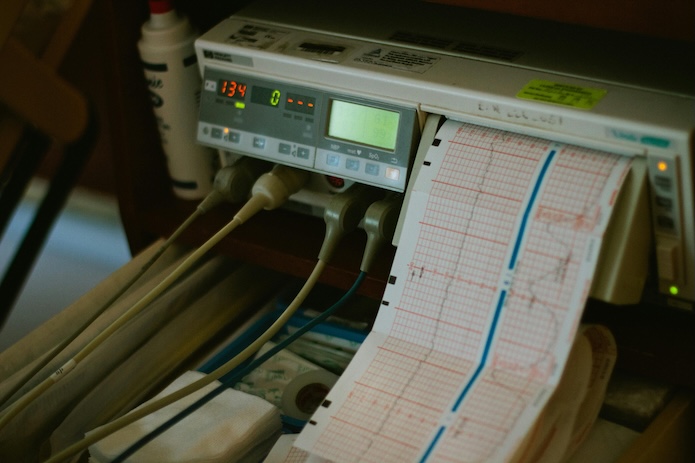
A myocardial infarction, also known as a heart attack, occurs when blood flow to the heart muscle is blocked. This blockage is most often due to narrowing or complete blockage of the coronary arteries caused by fatty deposits known as atherosclerotic plaques or clots. When the blood flow is impaired, the heart muscle does not get enough oxygen and nutrients it needs to function properly.
Myocardial infarction, or heart attack, is a condition where blocked blood flow to the heart muscle causes permanent damage due to lack of oxygen.
What is a myocardial infarction?
A myocardial infarction, also known as a heart attack, occurs when blood flow to the heart muscle is blocked. This blockage most often occurs due to narrowing or complete blockage of the coronary arteries caused by fatty deposits, or atherosclerotic plaques, or blood clots. When blood flow is interrupted, the heart muscle does not receive enough oxygen and nutrients that it needs to function.
Without oxygen-rich blood, heart muscle cells begin to deteriorate and die. If blood flow is not quickly restored, the damage can become permanent, causing permanent damage to heart muscle tissue and serious heart function problems.
How does a heart attack happen?
Coronary arteries supply blood to the heart muscle, providing it with oxygen and nutrients. In atherosclerosis, plaques, made up of fat, cholesterol, and other substances, build up in the walls of these arteries. When the plaque ruptures, a clot forms that can completely block the artery. This blockage of blood flow causes a heart attack because the heart muscle does not get the oxygen it needs and begins to damage.
Why is myocardial infarction dangerous?
Myocardial infarction is a medical emergency in which prompt treatment is critical. If blood flow is not quickly restored, the heart muscle can be severely damaged and the consequences can be fatal. Myocardial infarction can cause several serious complications:
- Heart rhythm disorders (arrhythmias): irregular heartbeat, which can be life-threatening and require immediate treatment.
- Heart failure: inability of the heart to pump blood efficiently to body tissues, which can lead to chronic heart failure and seriously affect quality of life.
- Heartbreak: an uncommon but very serious condition in which damage to the heart wall occurs, which can cause bleeding in the heart and be life-threatening.
Myocardial infarction requires immediate medical intervention to minimize damage and prevent life-threatening complications.
Causes of myocardial infarction
Myocardial infarction, or heart attack, occurs when blood flow to the heart muscle is blocked and can have several causes:
Atherosclerosis
The leading cause of heart attack is atherosclerosis, a condition in which the arteries become narrowed due to the buildup of fatty plaques made up of cholesterol, fat, and other substances. When the plaque ruptures, it can cause clots to form that block blood flow.
Coronary thrombosis
A blood clot (thrombus) in a coronary artery can suddenly block blood flow to the heart, causing a lack of oxygen and damage to the heart muscle. Coronary thrombosis is often a direct result of atherosclerosis.
Coronary spasm
In rare cases, blood vessels can spasm, or suddenly and temporarily narrow, which reduces blood flow to the heart. Coronary spasm can also occur without the obvious presence of a plaque.
Other factors
In addition to the above, the following factors can also cause myocardial infarction:
- Long-term hypertension: chronically high blood pressure puts strain on the arteries, contributing to the development of atherosclerosis.
- Severe anemia: lack of oxygen in the blood can endanger the heart muscle.
- Drug use: Narcotics such as cocaine can cause coronary spasm and increase the risk of heart attack.
These factors together or individually can lead to a heart attack, making prevention and control of risk factors essential to preventing myocardial infarction.
Risk factors
There are several factors that increase the risk of myocardial infarction or heart attack. Some of these can be influenced by lifestyle changes, while others are linked to genetic or biological factors.
Age and gender
The risk of myocardial infarction increases with age. For men, the risk of a heart attack usually increases after age 45, and for women after age 55 or after menopause, when hormonal changes affect vascular health.
Family history
Having a family history of early heart disease, especially in parents or siblings, can increase your own risk of heart attack.
Smoking
Tobacco use seriously damages blood vessels, reducing their elasticity and promoting the accumulation of plaque in the arteries. Smoking also increases the risk of blood clots, which can block blood flow to the heart.
High blood pressure and cholesterol
- Hypertension (high blood pressure): damages arterial walls and contributes to the development of atherosclerosis.
- High LDL ("bad") cholesterol: promotes the formation of plaque in the arteries, which can lead to narrowing and blockages in the blood vessels.
Diabetes
Elevated blood sugar levels damage blood vessels and significantly increase the risk of cardiovascular disease. Diabetes is also often associated with hypertension and high cholesterol.
Overweight and obesity
Being overweight increases the risk of hypertension, diabetes and high cholesterol, putting extra strain on the heart and blood vessels.
Sedentary lifestyle
Regular physical activity improves heart health, but lack of it weakens the heart and blood vessels, increasing the risk of heart attack.
Stress
Prolonged stress raises blood pressure and can contribute to unhealthy habits such as smoking and overeating, which affect cardiovascular health.
Symptoms that cannot be ignored
Heart attack symptoms can vary from person to person and between men and women. These symptoms are often a serious signal that requires immediate medical attention.
Common symptoms
- Chest pain or discomfort: A feeling of pressure, squeezing, or fullness that may be constant or come and go, usually lasting more than a few minutes.
- Pain in the upper body: pain or discomfort may appear in one or both arms, back, neck, jaw or abdomen.
- Shortness of breath: May be associated with or precede chest discomfort.
- Sweating: Cold sweats for no apparent reason often indicate the risk of a heart attack.
- Nausea or vomiting: An upset stomach can be an atypical but serious symptom of a heart attack.
Symptoms are more common in women
In women, the symptoms of a heart attack are often different from the classic symptoms and can be more subtle or atypical, which sometimes causes confusion:
- Shortness of breath: difficulty breathing or shortness of breath.
- Nausea or vomiting: often associated with indigestion, but may indicate a heart attack.
- Back or jaw pain: Pain may radiate to the back or jaw instead of the chest.
- Dizziness or fainting: Weakness or loss of balance can be a serious symptom of a heart attack.
Timely response to these symptoms can be crucial, so it is always advisable to pay attention to them and seek medical help immediately if a heart attack is suspected.
What to do in case of a heart attack?
If you suspect a heart attack, act immediately, as quick help can be life-saving.
Seek medical attention immediately
- Call 113 or your local emergency room to get medical help as soon as possible.
- Do not drive yourself to the hospital, unless there is no other option, as a heart attack requires medical supervision and symptoms may worsen along the way.
What you can do while waiting for help
- Relax and stay calm: Avoid physical activity and try to stay calm to reduce the strain on the heart.
Important: Don't ignore symptoms or wait to see if they go away. If there are signs of a heart attack, seek help immediately, as time is critical to prevent serious damage to the heart.
How is myocardial infarction diagnosed?
Diagnosis of a myocardial infarction involves various tests that help determine the exact extent, location, and cause of heart damage.
Electrocardiogram (ECG)
An EKG records the heart's electrical activity and can quickly determine if there is damage and which part of the heart is affected. It is an essential test to diagnose a heart attack in time and start treatment.
Blood tests
Blood tests look for specific enzymes, such as troponins, which are released when the heart muscle is damaged. Elevated levels of troponins confirm a heart attack and allow assessment of the severity of the damage.
Imaging tests
- Echocardiography: an ultrasound examination that helps evaluate the structure and function of the heart. This allows you to see how different parts of the heart muscle are contracting and reveals potential damage.
- Coronary angiography: An invasive test that uses contrast material and X-ray images to detect narrowing or blockages in the arteries that can lead to a heart attack.
- CT or MRI scan: These imaging tests provide detailed images of the heart and blood vessels, allowing accurate assessment of damage and the condition of the arteries.
The combination of these diagnostic tests allows doctors to accurately determine the cause and severity of a myocardial infarction, and to plan appropriate treatment.
Treatment options
Invasive procedures
- Percutaneous coronary intervention (angioplasty): This procedure opens blocked arteries by using a balloon to widen the narrowed area. A stent is often placed during the procedure to help keep the artery open.
- Coronary bypass surgery: During surgery, a bypass is created around the blocked part of the artery using another healthy blood vessel. It helps to restore blood flow to the heart and reduces the risk of a repeat heart attack.
Proper treatment and lifestyle changes can significantly improve the quality of life after a heart attack and reduce the risk of its recurrence.
How to prevent myocardial infarction?
Myocardial infarction can be prevented by following a healthy lifestyle and regularly monitoring the state of health. Here are some important preventative measures:
Nutrition tips
- Eat a healthy diet: A diet rich in fruits, vegetables, whole grains, and lean protein provides essential nutrients and helps maintain optimal heart health.
- Reduce your intake of saturated and trans fats: these fats increase cholesterol levels, which can contribute to the development of atherosclerosis.
- Limit salt and sugar consumption: less salt helps control blood pressure, while less sugar helps maintain a stable weight and prevent sugar fluctuations.
Physical activities
- Exercise regularly: at least 150 minutes of moderate-intensity aerobic activity (eg walking, cycling) per week helps maintain cardiovascular health.
- Include strength exercises: Twice a week to improve muscle strength and speed up metabolism.
Smoking cessation
Smoking is one of the main risk factors for heart attack, which damages the arteries and accelerates the atherosclerosis process. Quitting smoking significantly reduces the risk of cardiovascular disease.
Limiting alcohol consumption
If you drink alcohol, do so in moderation, as excessive consumption can have negative effects on heart health.
Weight management
A healthy body weight helps reduce the burden on the heart and reduces the risk of cardiovascular disease.
Stress management
- Practice relaxation techniques: Meditation, yoga and breathing exercises help manage stress, which can negatively affect blood pressure and heart rate.
- Engage in hobbies and activities that bring you joy: Rest and relaxing activities help improve emotional health.
Regular medical check-ups
- Check your blood pressure, cholesterol and blood sugar: regular monitoring helps detect problems early and prevent complications.
- Keep an eye on your heart health: especially important if there are risk factors such as a family history or high blood pressure.
Life after a heart attack
After a heart attack, life can go on with a customized regimen and professional support that promotes recovery and improves quality of life.
Cardiac rehabilitation
Rehabilitation programs are designed to help restore physical strength and heart health and include:
- Individual exercise plans: suitable for specific abilities and needs.
- Nutritional counseling: to improve dietary habits and reduce the risk of cardiovascular disease.
- Heart health education: Learn more about heart health and recommended preventative measures.
- Psychological support: supporting emotional and psychological well-being after a heart attack.
Lifestyle changes
- Continue healthy habits: A healthy lifestyle improves quality of life and reduces the risk of a repeat heart attack.
With careful health monitoring, regular physical activity and emotional support, life after a heart attack can be greatly improved.
Conclusion
Myocardial infarction is a serious but preventable disease. By understanding your risk factors, symptoms and making the necessary lifestyle changes, you can reduce your risk of heart attack and live a healthier life.
Additional resources
- Latvian Society of Cardiology: www.kardiologs.lv
- Heart health centers and clinics: Consult with specialists about heart health.