Sinus tachycardia - symptoms, causes and how to control it
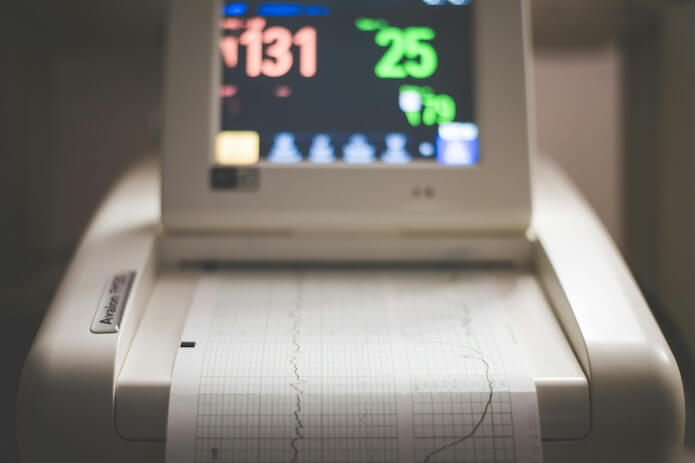
Sinus tachycardia is a condition in which the heart rhythm generated by the sinus node (the natural driver of the heart rhythm) exceeds 100 beats per minute in adults at rest. The sinus node is located in the right atrium and regulates the heart rate by responding to different signals from the body's needs.
Sinus tachycardia occurs when the sinus node in the right atrium sends electrical impulses at a higher frequency in response to the body's needs or external factors.
What is sinus tachycardia?
Sinus tachycardia is a condition in which the heart rate generated by the sinus node (the heart's natural pacemaker) exceeds 100 beats per minute in adults at rest. The sinus node is located in the right atrium and regulates heart rate in response to various signals of the body's needs.
Sinus tachycardia can be divided into two main categories:
- Physiological sinus tachycardia: a normal response of the body to situations that require increased blood flow, such as during physical exertion, emotional stress, pain or fever.
- Abnormal (inappropriate) sinus tachycardia: persistent or inappropriate heart rate acceleration without an obvious physiological cause, which may be related to a variety of health problems.
How does sinus tachycardia affect the body?
When the heart beats faster than usual:
- Diastolic filling decreases: a fast heartbeat shortens the diastole phase (the heart's relaxation period), reducing the amount of blood that fills the ventricles between contractions.
- Decreased coronary blood flow: in diastole, the heart muscle is supplied with blood; during tachycardia, this period is shorter, which can reduce the oxygen supply to the heart muscle.
- Myocardial oxygen consumption increases: the heart works more intensively, increasing energy and oxygen consumption.
- A possible decrease in the efficiency of the heart: prolonged tachycardia can tire the heart muscle and lead to a weakening of the heart's function.
Causes of sinus tachycardia
Sinus tachycardia can be caused by various factors that stimulate the sinus node to speed up the heart rate. These factors can be physiological or pathological.
Physiological causes
Normal reactions of the body to certain conditions:
- Physical exertion: increases muscle demand for oxygen and nutrients, which stimulates an increase in heart rate.
- Emotional stress: fear, anxiety, excitement cause the activation of the sympathetic nervous system and the release of adrenaline.
- Heat and fever: increased body temperature accelerates metabolism; heart rate increases by about 10 beats per minute for every 1°C rise.
- Pain reaction: the body responds to pain by increasing heart rate and blood pressure.
- Pregnancy: increased blood volume and hormonal changes can make the heart beat faster.
- Use of caffeine and nicotine: effects of stimulants on heart rhythm.
Pathological causes
Related to health problems:
Anemia
Decreased hemoglobin level: the heart beats faster to compensate for the lack of oxygen in the blood, ensuring an adequate supply of oxygen to the tissues.
Hyperthyroidism
Excessive thyroid hormone production: thyroxine (T4) and triiodothyronine (T3) accelerate metabolism and heart rate by increasing the activity of the sympathetic nervous system.
Dehydration and hypovolemia
Decreased blood volume: due to dehydration, blood loss, or fluid loss, the heart beats faster to maintain blood pressure and circulation.
Heart diseases
- Heart failure, cardiomyopathy: the heart is unable to pump blood efficiently and tachycardia is a compensatory response.
- Myocarditis: inflammation of the heart muscle can cause tachycardia.
Lung diseases
- Chronic obstructive pulmonary disease (COPD): reduced oxygen intake stimulates an acceleration of the heart.
- Pulmonary embolism: a blood clot in the lungs causes acute lack of oxygen and tachycardia.
Infections and sepsis
Inflammatory reaction: the body responds to infection by increasing its metabolism and heart rate to fight the pathogens.
Psychoemotional disorders
Anxiety disorders, panic attacks: overactivation of the sympathetic nervous system.
Electrolyte disturbances
Changes in potassium, magnesium, calcium levels: affects the heart's electrical activity and rhythm.
Dysfunction of the autonomic nervous system
Postural orthostatic tachycardia syndrome (POTS): excessive increase in heart rate when changing body position from lying to standing.
Symptoms that cannot be ignored
Symptoms of sinus tachycardia can vary and depend on the heart rate, duration and underlying causes.
Most common symptoms
- Palpitations:
- A feeling that the heart is beating fast, hard or irregularly.
- May be permanent or paroxysmal (appears and disappears).
- Shortness of breath:
- During exercise or at rest.
- Difficulty performing physical activities.
- Fatigue and weakness:
- Reduced energy and stamina.
- Inability to perform daily tasks.
- Dizziness or lightheadedness: feeling as if you might faint, especially on standing up quickly.
- Chest pain or discomfort: pressure, burning or pain that may radiate to the neck, shoulder or arm.
- Irritability and restlessness: psychological discomfort associated with heart rate changes.
- Sweating and cold sweats: activation of the autonomic nervous system.
Additional symptoms depending on the cause
- Anemia: paleness, fatigue, shortness of breath, dizziness.
- Hyperthyroidism: weight loss, nervousness, tremors, heat intolerance.
- Infections: fever, chills, sweating, general malaise.
- Dehydration: dry mucous membranes, thirst, decreased urine output.
When to seek medical help
- Persistent or frequent palpitations for no apparent reason.
- Symptoms that interfere with daily activities or worsen.
- Chest pain, shortness of breath or fainting.
- If you have known heart disease and your symptoms are getting worse.
- A sudden increase in heart rate that lasts for several minutes or hours.
Diagnostics
Accurate diagnosis is essential to determine the cause of sinus tachycardia and appropriate treatment. The diagnostic process includes history taking, physical examination and various tests.
Medical history and physical examination
Medical history:
- Nature of symptoms, duration, triggers.
- Family history of heart disease or arrhythmias.
- Previous diseases (anemia, hyperthyroidism, infections).
Physical examination:
- Assessing heart rate and rhythm.
- Blood pressure measurement while lying down and standing up.
- Measurement of respiratory rate and oxygen saturation.
- Check for signs of anemia (pallor), dehydration (skin turgor) or infection (fever).
Diagnostic tests
Electrocardiogram (ECG)
- Assesses the electrical activity of the heart.
- Confirms sinus tachycardia: sinus rhythm with heart rate above 100 beats per minute.
- Excludes other arrhythmias (eg, atrial fibrillation).
Holter monitoring
- 24-48 hour ECG recording.
- Detects heart rhythm changes during daily activities and during sleep.
- Helps correlate symptoms with changes in heart rhythm.
Echocardiography
- Ultrasound examination to evaluate the structure and function of the heart.
- Excludes structural heart diseases: valve pathologies, cardiomyopathy, heart failure.
- Assesses the pumping capacity of the heart (ejection fraction).
Blood tests
- Full blood count: for the determination of anemia (hemoglobin, erythrocyte count).
- Thyroid function tests: Determination of TSH, free T4 and T3 levels.
- Electrolyte balance: potassium, sodium, calcium, magnesium.
- Kidney and liver function indicators.
- C-reactive protein (CRP) and erythrocyte sedimentation rate (ESR): markers of inflammation.
- D-dimer: if pulmonary embolism is suspected.
- Hormone levels: catecholamines if pheochromocytoma is suspected.
Load test (cycloergometry)
- Assesses the heart's response to physical exertion.
- Detects possible signs of coronary heart disease.
- Assess heart rate and blood pressure response.
Tests of the autonomic nervous system
- Bridge table test: postural orthostatic tachycardia syndrome (POTS) or orthostatic hypotension is diagnosed.
- Valsalva manoeuvre: assesses autonomic nervous system function.
Additional examinations
- Chest X-ray: excludes lung diseases, heart enlargement.
- Magnetic resonance imaging (MRI): for a more detailed evaluation of heart structures and tissues.
- Cardiac Catheterization: if coronary artery disease is suspected.
Treatment options
The goal of treatment is to eliminate the cause of sinus tachycardia, reduce symptoms and improve quality of life. The treatment approach is individualized based on the patient's condition and causes.
Lifestyle changes
Stress management:
- Meditation, yoga, breathing exercises.
- Psychotherapy or counseling for chronic stress or anxiety.
Cut back on caffeine and stimulants: coffee, highly caffeinated teas, energy drinks.
Avoid alcohol and drugs: reduces heart load and the risk of rhythm disturbances.
Healthy diet:
- A balanced diet rich in fruits, vegetables, whole grains.
- Reduce salt and sugar consumption.
Regular physical activities:
- Moderate activities such as walking, swimming, cycling.
- Avoid excessive exercise that can cause tachycardia.
Get enough sleep: 7-9 hours of sleep to ensure rest and regeneration.
Treatment in case of underlying disease
Treatment of anemia:
- Iron supplements, vitamins (B12, folic acid), dietary adjustment.
- In severe cases, a blood transfusion may be required.
Treatment of hyperthyroidism:
- Radioactive iodine therapy or surgical removal of part of the thyroid gland (thyroidectomy).
Treatment of infections:
- Antivirals if needed.
Restoration of electrolyte balance: intravenous solutions with electrolytes, dietary adjustment.
Psychological therapy
- Cognitive behavioral therapy (CBT): helps identify and change negative thinking and behavior patterns.
- Relaxation technologies: progressive muscle relaxation, visualization.
- Biofeedback therapy: helps patients become aware of and control physiological responses.
Intervention procedures
Radiofrequency ablation:
- A procedure in which the heart tissue that causes the tachycardia is destroyed using a catheter.
Pacemaker implantation: if bradycardia (slow heart rate) occurs after ablation, a pacemaker may be required.
How to live with sinus tachycardia?
Regular medical monitoring
Regular doctor visits:
- Heart rate and rhythm monitoring.
- Evaluating the effectiveness of treatment.
- Strictly follow your doctor's instructions for dosage and schedule of use.
- Inform your doctor about any side effects.
Lifestyle adjustment
Stress controls: incorporate relaxation practices into your daily routine.
Healthy nutrition and hydration:
- Maintain a balanced diet with sufficient fiber, vitamins and minerals.
- Drink at least 1.5-2 liters of water a day (unless your doctor tells you otherwise).
Physical activities:
- Regular, moderate activity such as walking, swimming, light aerobics.
- Consult your doctor before starting a new exercise regimen.
Avoiding triggers: identify and avoid factors that cause tachycardia (caffeine, alcohol, stress).
Smoking cessation: smoking increases the risk of cardiovascular disease.
Education and support
- Understanding the disease: learning about sinus tachycardia, its causes and treatment options.
- Support groups: sharing experiences with other patients can provide emotional support and practical advice.
- Family involvement: it is important for family members to understand the patient's condition and provide the necessary support.
Prevention
To prevent the development of sinus tachycardia or reduce its episodes, it is important to follow a healthy lifestyle and control risk factors.
Control of risk factors
Prevention of anemia:
- Food rich in iron and vitamins (red meat, spinach, legumes).
- Regular blood tests, especially for risk groups (pregnant women, vegans).
- Monitoring Thyroid Health: regular monitoring of TSH and hormone levels, especially if there are symptoms or a family history.
- Infection prevention: compliance with hygiene, vaccination against flu and other infections.
- Maintenance of electrolyte balance: balanced diet, avoiding excessive fluid loss (diarrhea, vomiting, excessive sweating).
Complications
Complications can develop if sinus tachycardia is not treated or its cause is not addressed.
Heart failure
Prolonged tachycardia can fatigue the heart muscle, reducing the heart's pumping capacity.
- Symptoms: shortness of breath, tiredness, fluid retention (edema), palpitations.
Myocardial ischemia
Increased cardiac oxygen consumption can lead to oxygen deprivation of the heart muscle, especially in the presence of coronary artery disease.
- Symptoms: chest pain (angina), shortness of breath, fatigue.
- Risks:the possibility of a heart attack (myocardial infarction).
Blood clot formation
Prolonged tachycardia can contribute to blood stasis and clot formation.
- Risks:stroke, pulmonary embolism, peripheral arterial embolism.
- Prevention:use of anticoagulants, if necessary, according to the doctor's instructions.
Psychological consequences
Chronic discomfort can cause anxiety, depression, deterioration of the quality of life.
- Important: seek psychological support if necessary.
Conclusion
Sinus tachycardia is a condition that can be both physiological and pathological. Although in some cases this is a normal reaction of the body, persistent or unexplained tachycardia may indicate a health problem that needs attention. With early diagnosis, appropriate treatment and lifestyle changes, it is possible to control sinus tachycardia and improve quality of life.