How does arrhythmia affect your heart health? Symptoms that should not be ignored!
A cardiac arrhythmia is a serious heart rhythm disorder that can significantly affect health and even lead to life-threatening conditions. This article looks at the main causes, types, symptoms and treatments of arrhythmia, as well as practical tips for controlling the condition and keeping your heart healthy.
Cardiac arrhythmia is serious heart rhythm a disorder that can significantly affect health and even lead to life-threatening conditions. This article covers the main ones causes of arrhythmia, types, symptoms and treatment options, as well as practical advice on how to control and maintain the condition heart health.
What is cardiac arrhythmia?
A cardiac arrhythmia is a heart rhythm disorder in which the heart beats too fast, too slowly, or irregularly. A normal heartbeat is rhythmic, but an arrhythmia disrupts this regularity. The heart rhythm is controlled by a complex electrical system that keeps the heart muscle contracting and pumping blood efficiently around the body. Arrhythmia can be mild and transient, but in some cases it can lead to serious consequences, even death, if not treated properly.
Arrhythmia symptoms can range from mild palpitations to severe symptoms such as dizziness, fainting, and even cardiac arrest. Understanding and early treatment of arrhythmia is essential to ensure heart health and avoid life-threatening complications.
Arrhythmia is often associated with heart diseases such as myocardial infarction, heart failure, and cardiomyopathy. Atherosclerosis and high blood pressure (hypertension) can also be decisive factors in the development of arrhythmia.
Types of arrhythmia and their symptoms
Types of arrhythmia:
- Atrial fibrillation (AFib) — the most common form of arrhythmia, in which the atria (upper parts) of the heart contract chaotically and irregularly. This can lead to inefficient blood circulation and increases the risk of stroke.
- Symptoms: palpitations, shortness of breath, fatigue, dizziness, chest pain, sometimes there may be no symptoms.
- Ventricular tachycardia — this arrhythmia occurs in the lower parts of the heart (ventricles) and causes the heart to beat very fast. It can be dangerous because it can affect the heart's ability to pump blood effectively.
- Symptoms: fast heart rate, dizziness, loss of consciousness, chest pain, confusion.
- Ventricular fibrillation — a life-threatening condition in which the ventricles contract uncontrollably, preventing the heart from pumping blood effectively. Without immediate treatment, it can lead to cardiac arrest.
- Symptoms: fainting, loss of consciousness, shortness of breath, low blood pressure.
- Bradyarrhythmia — this condition occurs when the heart beats too slowly (less than 60 beats per minute), which can reduce blood flow to the brain and other important parts of the body.
- Symptoms: dizziness, fainting, shortness of breath, fatigue, weakness.
- Paroxysmal supraventricular tachycardia (PSVT) — Sudden onset and sudden cessation of episodes of rapid heartbeat that occur above the ventricles.
- Symptoms: palpitations, shortness of breath, dizziness, chest pain.
- Sinus tachycardia —the sinus node, which is the heart's rhythm regulator, sends electrical signals too quickly, causing the heart to beat fast.
- Symptoms: fast heart rate associated with stress, exercise, dehydration, or other factors, along with shortness of breath, restlessness, or fatigue.
In some cases, arrhythmias may be asymptomatic and only be detected during medical examinations. It is important to consult a doctor in time if you experience any symptoms of arrhythmia, as some types may require urgent medical attention.
How to treat cardiac arrhythmia?
The treatment of arrhythmia depends on its type, severity and the general health of the patient. The main treatment methods are:
- Catheter ablation: a minimally invasive procedure in which areas of heart tissue that cause arrhythmia are destroyed. Ablation can be particularly effective in atrial fibrillation and ventricular tachycardia.
- Implantable devices: A pacemaker or cardioverter-defibrillator can maintain the heart's rhythm and monitor the heart's activity. These devices are essential for patients with severe arrhythmias or heart failure.
Heart arrhythmia treatment may also sometimes include angiography, which is a procedure to examine the heart's blood vessels for possible blood flow abnormalities, such as atherosclerosis. Angiography is essential to assess whether narrowing of the heart's blood vessels may be the cause of arrhythmias, and to plan possible treatment.
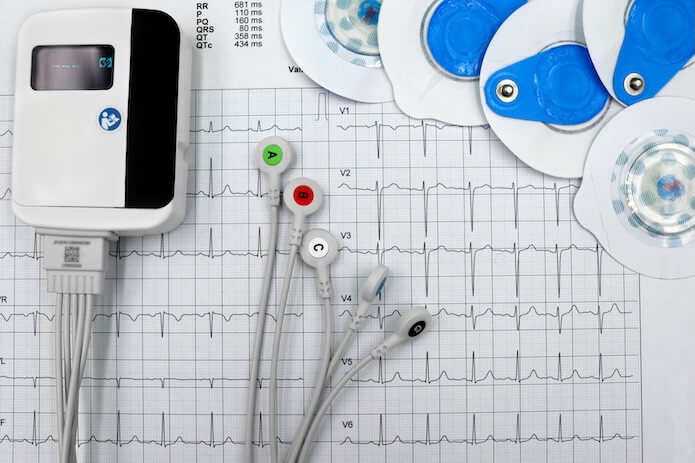
In addition, patients may require Holter monitoring, which records heart rhythm throughout the day, to detect episodes of arrhythmia that may not be apparent during a standard EKG. A Holter monitor is particularly useful for detecting short-term arrhythmias and assessing their impact on patients' daily lives.
Arrhythmia causes and risk factors
Arrhythmias can occur for a variety of reasons. Some of the more common causes and risk factors include:
- Heart diseases: myocardial infarction, heart failure, cardiomyopathy, and coronary artery disease may increase the risk of arrhythmia. Atherosclerosis and high blood pressure can damage the heart's blood vessels and heart muscle, thereby contributing to arrhythmias. For example, angina pectoris and myocardial infarction can cause heart muscle damage that predisposes to arrhythmia.
- Electrolyte imbalance: Changes in calcium, potassium and magnesium levels can affect the heart's electrical activity. Electrolyte balance is essential for a normal heart rhythm, and an imbalance can lead to heart problems such as tachycardia or bradycardia. Potassium and magnesium deficiency can have a particularly negative effect on heart rhythm stability.
- Caffeine, alcohol and stimulants: these substances can cause heart problems. Alcohol and nicotine can have a particularly negative effect on heart rhythm, increasing the risk of arrhythmia. Elevated cholesterol and thrombosis can also worsen arrhythmia symptoms. Smoking and excessive alcohol consumption not only affect heart rhythm, but also increase blood pressure and contribute to the development of atherosclerosis.
- Stress and anxiety: emotional stress can make the heart beat faster and cause arrhythmia. Stress tests are often performed to assess the heart's response to physical and emotional stress. Prolonged stress causes elevated levels of adrenaline in the blood, which can significantly increase the risk of arrhythmia.
- Genetic predisposition: some people have an increased risk of arrhythmia due to genetic factors. Family history may indicate a higher predisposition to heart disease, such as cardiomyopathy or hypertension. Inherited problems with the electrical system can also contribute to the development of arrhythmias, such as a family history of heart failure or heart attack.
Cardiac arrhythmia in children
Although arrhythmias are more common in adults, they can also occur in children. Possible causes include congenital heart defects, infection, or congenital electrical system problems. Children with arrhythmias may have fatigue, shortness of breath, dizziness, and palpitations. Pay particular attention to symptoms such as weakness and fatigue after light physical exertion, which may indicate heart problems.
Children with arrhythmias may need tests such as an electrocardiogram (ECG) and Holter monitor to monitor the heartbeat. A Holter monitor can be very useful to record your heart rate throughout the day, especially if your symptoms are variable and occur irregularly. A pulse oximeter may be used to monitor oxygen levels in children's blood, especially if respiratory problems associated with an arrhythmia are suspected.
Life with cardiac arrhythmia
Living with a heart arrhythmia can be challenging, but with the right treatment and lifestyle changes, it is possible to maintain a good quality of life. Patients should avoid stimulants, follow a balanced diet and engage in regular physical activity tailored to their condition. This can include light walking, swimming or yoga, which help keep your heart healthy without putting extra strain on you.
Stress management is essential because stress can trigger episodes of arrhythmia. Relaxation techniques such as yoga and meditation can be helpful in reducing stress. A healthy diet low in cholesterol and saturated fat is essential for controlling risk factors such as high blood pressure and atherosclerosis. A doctor (cardiologist) may also prescribe a pulse oximeter so patients can monitor their oxygen levels and pulse at home.
Physical activity is important, but it should be balanced. Excessive exercise can cause problems for people with heart disease, so it is recommended to consult a cardiologist before starting new exercises. Some patients may be advised to undergo stress testing to determine what exercise is safe. The results of stress tests help determine the patient's physical capacity and the type of exercise that is appropriate to avoid a heart attack or other complications.
Arrhythmia and sudden cardiac death
Severe arrhythmias, such as ventricular fibrillation, can lead to sudden cardiac death. In these cases, the heart loses its ability to pump blood effectively, which can cause a critical lack of oxygen in the brain and other organs. Early diagnosis and treatment are essential to reduce the risk of sudden cardiac death.
A cardioverter-defibrillator (ICD) can be a lifesaver for such patients because it can respond quickly and restore a normal heart rhythm. ICDs are especially useful for patients who have already suffered a myocardial infarction or suffer from cardiomyopathy, which increases the risk of sudden cardiac death.
Sudden cardiac death can also occur in patients with long-term untreated tachycardia, when the heart rate is constantly accelerated and the heart muscle is overworked. Such a situation can cause permanent damage to the structure of the heart and lead to cardiac arrest.
Diagnosis of cardiac arrhythmias
Heart arrhythmia diagnosis includes several examinations:
- Electrocardiogram (ECG): a basic test that assesses the electrical activity of the heart. An ECG is essential to identify tachycardia, bradycardia, or atrial fibrillation. An electrocardiogram also helps diagnose causes that may be associated with chest pain, such as angina.
- Holter monitoring: short-term or long-term monitoring of heart rhythm, which allows recording of episodes of arrhythmia during daily activities. A Holter monitor provides more accurate information about the frequency and severity of arrhythmias.
- Echocardiography: uses sound waves to create images of the heart's structure and function. It can help identify heart failure, cardiomyopathy, or heart valve problems.
- Stress test: assesses the heart's response to exercise and helps diagnose coronary artery disease that can cause arrhythmia. Stress tests are essential to determine how well the heart can handle exercise and to identify coronary artery narrowing.
- Electrophysiological examinations: uses catheters with electrodes to pinpoint the site of the arrhythmia's origin. These tests help develop a plan for catheter ablation.
In addition to these tests, angiography is also used in some cases to examine the heart's blood vessels and identify whether atherosclerosis may be a contributing factor to arrhythmias. Angiography is essential to assess cardiovascular health and help plan future treatment.
Natural ways to control arrhythmia
There are several natural ways to control heart arrhythmia and improve heart health:
- Stress relief: by regularly practicing yoga, meditation or breathing exercises, it is possible to reduce the stress level and thus the risk of arrhythmia. Stress tests can be useful in assessing the effects of stress on the heart and identifying stress-induced arrhythmias.
- Healthy diet: a balanced diet low in saturated fat and cholesterol can help improve heart health. Omega-3 fatty acids found in fish can help reduce the risk of arrhythmias. Low cholesterol can help reduce the risk of atherosclerosis and myocardial infarction. It is also important to avoid excessive salt consumption, which can raise blood pressure.
- Electrolyte balance: make sure you have enough potassium, magnesium and calcium in your diet to help maintain normal electrical activity of the heart. A lack of electrolytes can cause a low heart rate, bradycardia, or other heart rhythm problems. Potassium-rich foods such as bananas and green leafy vegetables can be especially helpful.
- Regular physical activities: walking, swimming and cycling are great ways to keep your heart healthy. However, overexertion should be avoided, especially if there are symptoms of arrhythmia or heart disease such as angina or cardiomyopathy. Regular, moderate physical activity improves cardiovascular health and helps maintain healthy blood pressure.
- Quit smoking: smoking is a major risk factor for cardiovascular disease. Nicotine affects heart rhythm, raises blood pressure and increases the risk of thrombosis.
Arrhythmia and pacemaker
A pacemaker is a small device that is implanted in the body to help control an irregular heartbeat. It is especially useful for patients with bradycardia, when the heart beats too slowly. The pacemaker sends electrical impulses that help maintain a normal rhythm. It allows patients with severe arrhythmias to lead full lives by eliminating symptoms such as dizziness and fatigue.
A cardiologist may recommend a pacemaker for patients who suffer from low blood pressure or a low heart rate that prevents the heart from maintaining a normal rhythm. A pacemaker can be especially useful for patients suffering from heart failure or angina. The pacemaker not only helps keep the heart beating, but also improves blood flow in the body, reducing symptoms and improving quality of life.
Additional attention should be paid to cholesterol levels, blood pressure control, and cardiovascular health to reduce arrhythmias and other heart diseases such as myocardial infarction or aortic aneurysm. A healthy lifestyle and timely medical attention can help ensure a long and healthy life without serious heart rhythm disorders. Quitting smoking, eating a balanced diet, getting regular physical activity, and reducing stress are key steps that can help keep your heart healthy and avoid arrhythmia complications.
Additional resources
Arrhythmia Mechanisms and Fundamentals of Treatment - (Source: Doctus )
Anita Kazlovska - When the heart loses its rhythm (Source: Arsts.lv ) Arrhythmia detected in time can be treated more successfully (Source: kardiologija.lv )