Parkinson's disease - from the first signs to daily challenges!
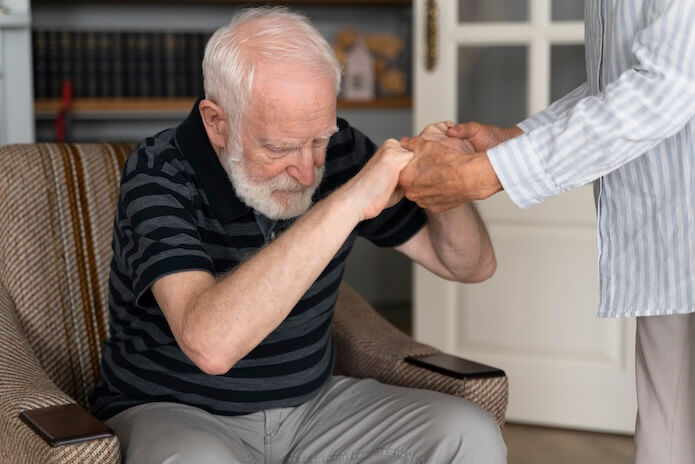
Parkinson's disease is a chronic neurological disorder that affects millions of people worldwide. Due to an aging population, the prevalence of this disease continues to increase, making it a major public health challenge. The disease is characterized by both motor and non-motor dysfunctions resulting from degenerative changes in the brain, especially in dopamine-producing neurons.
Parkinson's disease is a chronic neurological disorder that affects millions of people worldwide. Due to an aging population, the prevalence of this disease continues to increase, making it a major public health challenge. The disease is characterized by both motor and non-motor dysfunctions resulting from degenerative changes in the brain, particularly in dopamine-producing neurons in the substantia nigra pars compacta region. Although Parkinson's disease is often associated with age, it can also affect younger patients. Understanding the pathogenesis of Parkinson's disease, early recognition and effective treatment methods are essential to improve the quality of life of affected people and to promote public awareness of this complex disease.
Pathogenesis of Parkinson's disease
Neurological mechanisms
Parkinson's disease develops as a result of degenerative processes in the central nervous system, most often associated with the loss of dopamine-producing neurons in the substantia nigra pars compacta region. Dopamine is a neurotransmitter that is critical for the coordination and control of movement. Its deficiency causes the underlying motor symptoms of the disease, such as tremors, muscle stiffness and bradykinesia. Histopathologically, Parkinson's disease is also characterized by the accumulation of Lewy bodies, which are aggregates of alpha-synuclein proteins, within neurons. The molecular mechanisms of these pathological changes are complex and still not fully understood, but involve both genetic and environmental influences. Research shows that mutations in the LRRK2 and PARK7 genes may increase the risk of Parkinson's disease.
Recent research focuses on cellular defense mechanisms and potential biomarkers that could help in early diagnosis of the disease and development of therapy. For example, the role of mitochondrial dysfunction and oxidative stress in the pathogenesis of Parkinson's disease is being studied. Mitochondrial dysfunction can lead to a lack of cellular energy and contribute to neuronal death. Oxidative stress caused by the accumulation of free radicals can accelerate the degeneration of neurons, thereby worsening symptoms.
Risk factors
Several risk factors have been identified that can increase the likelihood of developing Parkinson's disease. Age is the most important risk factor, as the disease starts more often after the age of 60. Gender also plays a role, as Parkinson's disease affects men more often than women. A genetic predisposition and a family history of Parkinson's disease may increase the risk. Environmental factors, such as long-term exposure to pesticides and heavy metals, as well as head trauma, are associated with an increased risk of the disease. Maintaining a healthy lifestyle, such as regular exercise, can help reduce your risk.
Research shows that environmental toxins such as paraquat and rotenone can affect dopaminergic neurons, causing them to die. In addition, head injuries, especially repeated ones, can increase the risk of developing Parkinson's disease by causing damage and inflammation to brain structures.
Symptoms and diagnostics
Early symptoms
Early symptoms of Parkinson's disease are often easily missed, making early diagnosis difficult. These may include mild tremors that begin in one arm, mild signs of stiffness of movements, and bradykinesia. Patients often complain of fatigue, depression, or sleep disturbances, which may appear years before obvious motor symptoms. Reduced intensity of facial expressions, known as hypomimia, and altered speech, which may become quieter or monotonous, are also early signs.
In addition, patients may experience a loss of smell (anosmia), which is one of the early symptoms that is often unrecognized. Loss of smell may be due to degeneration of the olfactory bulb, which occurs before other symptoms appear.
Progressive symptoms
As the disease progresses, the symptoms become more pronounced and can significantly affect the patient's daily life. Muscle stiffness and slowed movements make daily activities such as dressing and eating difficult. The tremor may spread to other parts of the body and postural instability may occur, increasing the risk of falls. Non-motor symptoms, such as cognitive impairment and autonomic dysfunction, become more prominent.
Cognitive impairments can include difficulties with planning, organization and memory. Autonomic dysfunctions can manifest as orthostatic hypotension, urinary incontinence, and constipation. These symptoms can be as disruptive as motor symptoms and significantly affect quality of life.
Diagnostic methods
The diagnosis of Parkinson's disease is based on a thorough clinical history and neurological examination. There are no specific laboratory tests, so the diagnosis is often made by excluding other disorders. In some cases, imaging techniques such as dopamine transporter SPECT (i-DaTSCAN) can be used to assess the integrity of dopaminergic neurons. Functional neuroimaging, such as PET and MRI, can provide additional information about brain structure and function, but these techniques are primarily used in research. Parkinson's disease is graded according to the Unified Parkinson's Disease Rating Scale (UPDRS) to assess the severity of symptoms and the progression of the disease.
In addition to clinical diagnostics, potential biomarker methods are also being investigated that could help in early detection of the disease. Biomarkers, such as cerebrospinal fluid analysis to assess alpha-synuclein and tau protein levels, could provide additional diagnostic value in the future.
Treatment options
Physiotherapy and rehabilitation
Physiotherapy and rehabilitation play an essential role in the care of patients with Parkinson's disease. Regular physical activity, such as walking or swimming, can reduce muscle stiffness and improve coordination. Physiotherapists often use techniques such as gait training and postural stability exercises to improve a patient's independence and reduce the risk of falls. Speech therapy may be needed to improve speech and swallowing abilities.
Rehabilitation programs also often include occupational therapy, which helps patients adjust to daily life and improve functional abilities. Occupational therapists can recommend adjustments in the home or workplace to facilitate daily activities and improve quality of life.
The latest therapies and research
Recent clinical studies show the potential for new classes of drugs that target specific neurodegenerative processes, offering hope to patients with resistant symptoms. The results of these studies could have a significant impact on future treatment strategies, providing opportunities for more personalized and effective therapies.
Improving quality of life
Diet and lifestyle recommendations
Diet and lifestyle play an important role in managing the symptoms of Parkinson's disease. A balanced diet rich in antioxidants, omega-3 fatty acids and fiber can help maintain overall health and reduce the rate of disease progression. For example, fruits, vegetables, fish and whole grains can be helpful. Patients should avoid excessive caffeine and alcohol consumption, which can worsen sleep and autonomic symptoms. Regular exercise, yoga or tai chi can improve mobility, balance and reduce anxiety and depression.
In addition, proper nutrition can help with common gastrointestinal problems, such as constipation, that are common in Parkinson's disease patients. A high-fiber diet and adequate fluid intake can improve bowel function and reduce the severity of these symptoms.
Psychological support
Psychological support is essential for Parkinson's disease patients and their families to cope with the emotional and social consequences of the disease. Cognitive behavioral therapy (CBT) and group therapies can be helpful in reducing symptoms of depression and anxiety. Support groups provide a platform for patients and their families to share experiences, receive emotional support and learn about disease management strategies. The involvement of psychologists and social workers can help to address issues related to disability and maintain quality of life.
Psychological support also includes education about the disease and its management, which can help patients and their families better understand the course of the disease and make necessary lifestyle adjustments. This type of support can significantly improve emotional well-being and reduce feelings of social isolation.
Patient safety and fall prevention
Patient safety is a critical aspect of Parkinson's disease care. Patients should be educated about reducing the risk of falls, such as using walking aids, improving home conditions, and regular balance exercises. Regardless of the type of treatment, regular check-ups are necessary to adjust the treatment plan and prevent the risks of drug interactions that can affect patient safety.
Fall prevention strategies also include adapting the home environment, such as removing carpets, installing grab bars in bathrooms, and providing adequate lighting. These measures can significantly reduce the risk of falls and promote patient independence.
Conclusions
Parkinson's disease is a complex neurological disorder that requires a holistic approach to diagnosis and treatment. Although there is currently no cure, early recognition and effective management of symptoms can greatly improve patients' quality of life. Scientific advances aimed at understanding the genetic and molecular mechanisms of the disease provide hope for new therapeutic solutions in the future. Community education that promotes awareness and support is essential to helping patients and their families overcome the challenges of this chronic disease. Thus, by integrating medical care with psychological and social support, it is possible to promote a better quality of life for people suffering from Parkinson's disease.
In addition, public health organizations should promote research and support the development of new treatments to improve patient care and reduce the public health burden of Parkinson's disease. With a collective approach and scientific progress, we can hope for a brighter future for people dealing with this complex disease.