Stroke - What happens in the brain and how it can change your life?
A stroke, also known as a cerebral stroke, is an acute medical condition that occurs due to the interruption of blood supply to the brain. This condition can lead to serious consequences, including disability or even death, if timely medical attention is not provided. Therefore, it is essential to understand the causes, symptoms and treatment options of stroke, as well as to implement preventive measures to reduce the risk.
What is a stroke?
Definition and types
A stroke is an acute condition that occurs when the blood supply to the brain is interrupted, causing cell death and impaired brain function. Stroke can be divided into two main types: ischemic and hemorrhagic stroke. Ischemic stroke, which accounts for about 85% of all strokes, occurs when a blood clot blocks blood flow in an artery that supplies the brain. A hemorrhagic stroke, on the other hand, occurs when a blood vessel in the brain ruptures, causing hemorrhage and pressure on brain tissue. Both types of stroke require urgent medical intervention to minimize damage and improve the chances of recovery.
Statistics and frequency
The World Health Organization (WHO) reports that stroke is one of the leading causes of death and disability worldwide. About 15 million strokes occur each year, five million of which result in death and another five million cause permanent disability. In Latvia, as well as in other European countries, the prevalence of stroke is high, and it is the third most common cause of death. These figures emphasize the need for effective prevention and prompt medical assistance.
Causes and risk factors
Main causes
The cause of stroke is often related to vascular disease and other medical conditions that affect blood flow and blood vessel integrity. In ischemic stroke, the most common cause is atherosclerosis, which causes the arteries to narrow and harden, leading to the formation of blood clots. Hemorrhagic stroke is often caused by uncontrolled high blood pressure that puts excessive pressure on blood vessel walls, as well as head trauma or vascular abnormalities. In rare cases, stroke may be due to causes such as vascular dissections, coagulation disorders, or infections that affect the structure of the blood vessels.
Analysis of risk factors
Many risk factors for stroke are lifestyle and health related. Unhealthy diet, smoking, excessive alcohol consumption and lack of physical activity significantly increase the risk of stroke. In addition, medical conditions such as hypertension, diabetes, high cholesterol and obesity are significant risk factors. Age also plays an important role, as the risk of stroke increases with age. Genetic predisposition can also affect the likelihood of stroke. Particular attention should be paid to risk factors that can be controlled to reduce the likelihood of stroke.
Symptoms and diagnostics
Early symptoms
The early symptoms of a stroke are often sudden and unexpected. These may include numbness or weakness of the face, arm or leg, especially on one side of the body. Other signs include sudden confusion, trouble speaking or understanding, vision problems in one or both eyes, sudden dizziness, unsteadiness or lack of coordination, and severe headache with no known cause. If these symptoms appear, emergency medical attention should be sought immediately, as time is a critical factor in the treatment of stroke.
Diagnostic methods
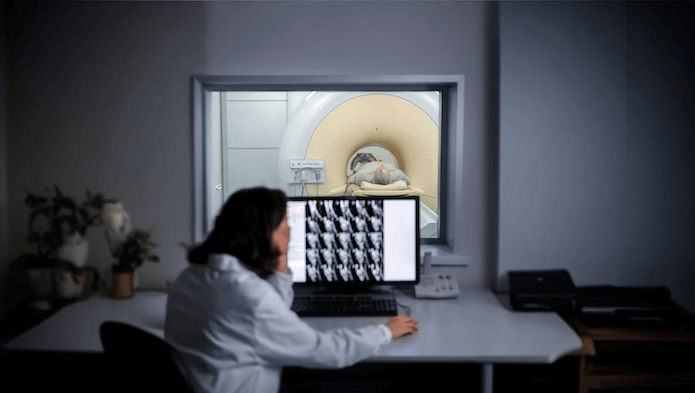
The diagnosis of stroke usually begins with a clinical evaluation and history taking, followed by detailed imaging studies such as computed tomography (CT) or magnetic resonance imaging (MRI). CT scanning helps to quickly determine whether a stroke is ischemic or hemorrhagic, which is essential to choose the appropriate treatment strategy. In addition, blood tests may be performed to assess sugar levels, electrolyte balance, and blood clotting parameters. Doppler ultrasonography and angiography can be used to assess blood flow in the blood vessels of the head and neck. An electrocardiogram (ECG) can help identify heart rhythm abnormalities that could be the cause of a stroke.
Treatment options
Rehabilitation and recovery
Rehabilitation is an essential part of recovery for stroke patients as it helps restore lost function and improve quality of life. Rehabilitation may include physical therapy to improve movement and strength, occupational therapy to restore daily living skills, and speech therapy to improve speech and swallowing functions. Psychological and social support is also important to help patients cope with the emotional and psychological consequences that can occur after a stroke. The rehabilitation program should be adjusted individually, taking into account the patient's needs and state of health. The duration of rehabilitation can vary from several weeks to several months or even years, depending on the severity of the stroke and the individual needs of the patient. Long-term management of complications involves ongoing medical monitoring and lifestyle changes to prevent future strokes.
Prevention and lifestyle changes
Prevention strategies
Stroke prevention is mainly based on risk factor control measures. This includes keeping blood pressure within normal limits, managing cholesterol levels, controlling diabetes and treating heart rhythm abnormalities. Regular medical examinations and a clear understanding of personal risk factors are important preventive measures. It is also important to give up smoking and drinking alcohol, which significantly reduces the risk of stroke.
Lifestyle recommendations
Lifestyle changes can play an important role in preventing stroke and improving overall health. A balanced diet rich in fruits, vegetables, whole grains, and lean protein can help you maintain a healthy weight and reduce your risk of stroke. Regular physical activity, such as walking, swimming or cycling, is also essential for maintaining good cardiovascular health. Managing stress and getting enough sleep are other important aspects to prevent stroke.
Integrated health strategies
Integrated health strategies involve the teamwork of different health care professionals to provide comprehensive stroke treatment and prevention. This includes medical professionals, nutritionists, physical therapists and psychologists who work together to help the patient achieve optimal health. Such an approach may include personalized nutrition and exercise plans, as well as emotional and psychological support to improve the patient's quality of life.
Additional preventive measures and education
Public education
Educating the public about stroke symptoms, causes, and prevention strategies is essential to reducing its prevalence and consequences. Health authorities and non-governmental organizations should promote educational campaigns aimed at raising public awareness of stroke risk factors and the need for prompt medical intervention. Education efforts should include information on the importance of a healthy lifestyle, as well as guidelines on how to recognize the early symptoms of stroke, which can save lives and reduce long-term disability.
The role of technology in prevention
Modern technology also plays an important role in stroke prevention and treatment. Mobile apps and digital devices can help people monitor their health indicators, such as blood pressure and heart rate, allowing them to respond to changes in a timely manner. Remote doctor consultations allow patients to communicate with healthcare professionals without leaving their homes, which is especially important for at-risk groups who need regular medical monitoring. These technologies can significantly improve the effectiveness and availability of prevention measures.
International cooperation
International cooperation is important to develop and implement effective stroke prevention and treatment strategies. International health organizations and research networks can share research findings and examples of good practice to improve treatments and prevention measures in different countries. The guidelines of WHO and other international organizations can serve as a basis for the development of national health policies aimed at reducing the prevalence of stroke and improving the health care system.
Conclusions
A stroke is a serious and life-threatening medical condition that requires prompt and effective treatment. Understanding the types, causes, and risk factors for stroke can help reduce the likelihood of one occurring. Quickly recognizing early symptoms and receiving appropriate medical care can greatly improve a patient's chances of a successful recovery. Preventive measures and a healthy lifestyle are essential to reduce the risk of stroke for long-term health and well-being. Overall, awareness and a proactive approach are key factors in combating this common and dangerous condition. In addition, it is important to be aware of the risks of stroke treatment, such as bleeding risks during thrombolysis, and to ensure regular monitoring of the patient's condition to ensure safe and effective therapy.
Future perspectives
In the future, new discoveries and technologies are expected in the treatment and prevention of stroke, which could further reduce the impact of this condition on society. Advances in genomics and personalized medicine could offer new opportunities for identifying individual stroke risk factors and targeted therapy. Further research aims not only to improve treatment outcomes, but also to develop more effective prevention strategies that could help prevent stroke before it occurs. Increasing public health awareness and improving access to health care are essential steps toward a stroke-free future.