Concussion - when a fall or impact can have serious consequences!
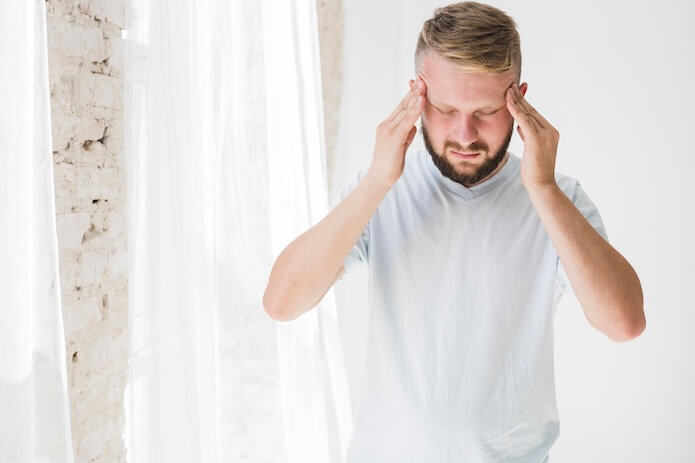
A concussion, known in Latin as commotio cerebri, is a mild traumatic brain injury that occurs after a mechanical impact to the head, such as a blow or fall. This injury most often results in temporary impairment of brain function, which may manifest as reduced consciousness, memory loss, and other neurological symptoms.
What is a concussion?
A concussion, known in Latin as commotio cerebri, is a mild traumatic brain injury that occurs after a mechanical impact to the head, such as a blow or fall. This injury most often results in temporary impairment of brain function, which may manifest as reduced consciousness, memory loss, and other neurological symptoms. Although a concussion usually does not cause structural damage, it can cause biochemical changes in the brain that require attention and careful treatment.
Physical and biological aspects
Physically, a concussion occurs when the head is subjected to rapid acceleration or deceleration, causing the brain to temporarily dislocate within the skull. This mechanism can create stress and strain on nerve cells, causing them to malfunction. Biologically, this process affects the permeability of neuronal membranes and promotes the release of neurotransmitters that can interfere with synaptic transmission. In addition, a concussion can affect the levels of calcium and potassium ions in cells, further complicating neuronal function. These changes can be temporary, however, repeated concussions can cause long-term effects, such as chronic traumatic encephalopathy.
Causes of concussion
Main causes
The main causes of concussions are various types of physical injuries. The most common causes include sports injuries, especially in contact sports such as football, hockey and boxing, where players often experience blows to the head. Road traffic accidents are another major cause where the head can suffer severe impacts from collisions or falls. Accidents at home, such as falling down stairs or slippery surfaces, are also common causes of concussion, especially in the elderly. These causes require the implementation of effective preventive measures to reduce the risk of injuries.
Risk factors
Risk factors that increase the likelihood of concussion include individual and environmental factors. Individuals involved in high-risk activities such as contact sports or motor vehicle racing are at increased risk. In addition, age is an important factor, as children and teenagers are more likely to suffer concussions during sports, while older people are more likely to experience falls. Environmental factors, such as insufficient use of sports equipment or failure to follow safety procedures, can also increase the risk of injury, making it imperative to implement appropriate protective measures.
Symptoms and diagnostics
Concussion symptoms
Concussion symptoms are varied and can vary depending on the severity of the injury. Acute symptoms may include loss of consciousness, headache, dizziness, nausea, vomiting and weakness. Some people may experience problems with concentration, memory problems and increased sensitivity to light or noise. Neurological deficits such as slurred speech or incoordination are also possible. Symptoms may appear immediately after the injury or develop gradually. It is important to seek immediate medical attention if these symptoms occur for immediate evaluation and appropriate treatment.
Diagnostic methods
Diagnosis of a concussion begins with a detailed history and physical examination. The doctor will assess the patient's symptoms, level of consciousness and neurological function using specialized tests such as the Glasgow Coma Scale (GCS). Neuroimaging techniques such as computed tomography (CT) or magnetic resonance imaging (MRI) may be used to rule out more serious brain damage, such as hematomas or contusions. However, these methods usually do not show abnormalities in mild concussions. If necessary, additional tests such as neuropsychological tests may be used to assess cognitive function and determine the progress of recovery.
Treatment options
First aid and acute care
First aid for a concussion involves managing the immediate effects of the injury. The patient should ensure rest and avoid physical activities that could worsen the condition. Treatment includes symptom management, such as pain relievers for headaches, but nonsteroidal anti-inflammatory drugs (NSAIDs) should be avoided unless directed by a doctor, as they may increase the risk of bleeding. If loss of consciousness or serious neurological symptoms are observed, immediate medical attention and hospitalization are required, where additional diagnostics and monitoring can be performed.
Rehabilitation and recovery
Rehabilitation after a concussion is essential to promote full recovery and prevent long-term complications. The recovery process involves the gradual restoration of physical and cognitive activities according to the patient's condition. Physiotherapy, occupational therapy and cognitive therapy can be helpful in improving the patient's functional abilities. Follow your doctor's instructions for returning to daily activities and sports, avoiding premature strain that can increase the risk of re-concussion. Regular check-ups and follow-up will help ensure the recovery process and adjust treatment if necessary. Recent studies have emphasized early but controlled physical and cognitive activity as an effective component of rehabilitation.
The most important rehabilitation guidelines
One of the most important guidelines in concussion rehabilitation is a gradual return to activity based on the resolution of symptoms. Research shows that a 24-48 hour rest period after an injury, followed by a gradual return to physical and mental activity, can speed up the recovery process. These guidelines are evidence-based and supported by recommendations issued by the World Health Organization and the European Academy of Neurology.
Prevention and safety measures
How to reduce risks
To reduce the risk of concussion, it is essential to follow safety measures in everyday and sports activities. One of the most effective preventive strategies is the use of protective helmets in all activities that involve the possibility of receiving a head injury. It includes bicycle, motorcycle riding and many sports games. In addition, it is important to ensure a safe home environment by taking steps to reduce the risk of falling, especially for children and the elderly. This can include fixing carpets, installing handrails on stairs and covering slippery surfaces.
Education and awareness
Concussion education is essential to raise awareness both in the community and among professional groups such as teachers, coaches, and health care professionals. Educational programs can help you understand the symptoms, risk factors, and proper procedures for injury. It is also important to disseminate information about the need to follow safety measures to prevent head injuries. By promoting education and awareness, more effective concussion prevention and early treatment can be achieved.
New technologies and research in prevention
Modern technology and research offer new opportunities in the prevention and treatment of concussions. For example, smart helmets with sensor technology can detect the force of an impact and warn of a possible injury. Such solutions can help athletes and their coaches respond to injuries in a timely manner, reducing the risk of long-term consequences. In addition, new research on biomarkers in blood or cerebrospinal fluid could provide more accurate and faster diagnosis, which is essential for effective treatment and recovery.
Smart helmets and their role
Smart helmets equipped with sensor technology have become an important tool in concussion prevention. These helmets can measure the force of an impact and alert the user or coach of a potential injury, giving them the opportunity to take the necessary steps to prevent further damage. Smart helmets are especially useful in sports environments, where a quick response to an injury can be critical to preventing long-term complications.
Long-term effects and complications
Repeated concussions can cause chronic effects, such as chronic traumatic encephalopathy, which is associated with neurodegenerative changes in the brain. Researchers have found that repeated concussions can contribute to cognitive decline, emotional disturbances and an increased risk of dementia. To reduce the risk of these complications, it is essential to follow treatment and rehabilitation guidelines, as well as preventive measures.
Guidelines for prevention of long-term effects
To reduce the chance of long-term complications, it is recommended to follow certain protocols that include regular medical monitoring, adequate rest periods, and a gradual return to activity. It is also important to avoid sports activities and other risky activities until the symptoms have completely disappeared. Doctors and sports coaches are encouraged to use guidelines, such as the recommendations of the European Academy of Neurology, to ensure a safe return to activities.
Chronic traumatic encephalopathy
Chronic traumatic encephalopathy (CTE) is a serious neurodegenerative disease associated with repeated concussions. Symptoms of CTE can include cognitive impairment, emotional instability, behavioral changes, and even dementia. To reduce the risk of CTE, it is important to follow preventive measures and ensure appropriate rehabilitation after each concussion.
Summary
A concussion is a common and potentially serious injury that can affect people of any age. The main causes are sports injuries, road traffic accidents and falls. By recognizing the symptoms and making an early diagnosis, it is possible to provide effective treatment and reduce the risk of complications. Prevention plays a vital role in implementing safety measures and raising public awareness of concussions. Finally, it should be ensured that patients receive adequate rehabilitation to restore physical and cognitive function and prevent the risk of re-injury.
These measures will help promote safety and health by reducing the impact of concussions on the individual and society as a whole. Understanding this trauma and its consequences is essential not only for medical professionals, but also for every member of society to create a safer and healthier environment. In addition, as we continue to develop knowledge and research in this area, we can improve diagnostic and treatment methods, providing a more effective solution to this common health problem.
It is also important to continue to support research and develop new technologies that could help prevent and treat concussions more successfully. This will lead to a better quality of life and healthcare for all who suffer from this complex injury. This approach not only improves the health of individual patients, but also contributes to the improvement of the overall health status of society. By continuing to educate the public and promote preventative measures, we can reduce the incidence and severity of concussions, creating a healthier future for everyone.