Is your mood swings just stress or bipolar disorder?
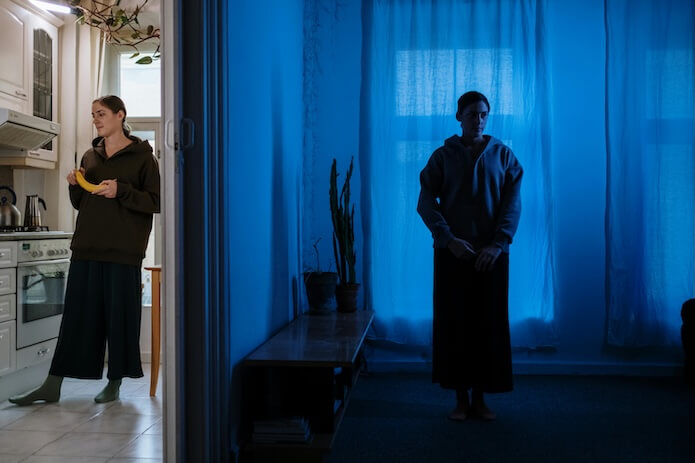
Bipolar disorder is a mental health condition that affects approximately 40 million people worldwide. In this article, we'll look at what bipolar disorder is, how to recognize its symptoms, and what treatment options are available.
Introduction
Bipolar disorder is a mental health condition that affecting approximately 40 million people all over the world. In this article, we'll look at what bipolar disorder is, how to recognize its symptoms, and what treatment options are available. Our goal is to provide clear and understandable information to help better understand this condition.
What is bipolar disorder?
Bipolar disorder is a mood disorder characterized by extreme mood swings ranging from mania (high mood and energy) to depression (low mood and lack of energy). These fluctuations can be severe and affect a person's daily life, relationships and work abilities.
Types of bipolar disorder
- Bipolar I Disorder: characterized by at least one manic episode, which may precede or follow a depressive episode.
- Bipolar II disorder: characterized by episodes of depression and hypomania (mild mania), but no full-blown manic episodes.
- Cyclothymia: a chronic condition with prolonged episodes of hypomania and mild depression lasting at least two years.
Symptoms and signs
Manic episodes
- Elevated mood: euphoria, exaggerated self-confidence.
- Increased energy: hyperactivity, need for less sleep.
- Talkativeness: speaking quickly and continuously.
- Flight of thoughts: rapid changes of thoughts, difficulty concentrating.
- Risky behavior: reckless decisions, excessive spending of money, risky sexual behavior.
Episodes of depression
- Low mood: deep sadness, hopelessness.
- Loss of interest: Displeasure from activities that used to bring pleasure.
- Fatigue: constant fatigue, lack of energy.
- Loss of self-worth: a feeling of guilt, a feeling of worthlessness.
- The thought of death: thinking about death or suicide.
Mixed episodes
- A combination of symptoms: Co-occurrence of manic and depressive symptoms, which can lead to confusion and emotional instability.
Causes and risk factors
Genetic factors
- Heredity: If there is a family history of bipolar disorder, other family members are also at increased risk.
Biological factors
- Brain chemistry: Neurotransmitter imbalances can affect mood and emotions.
- Brain structure: Differences in brain structure or function may be associated with bipolar disorder.
Environmental factors
- Stress events: Trauma, loss, or major life changes can trigger symptoms.
- Substance use: Alcohol or drug use can worsen symptoms or trigger episodes.
Diagnostics
- Medical evaluation: the doctor performs a general health examination to rule out other possible causes of the symptoms.
- Psychiatric assessment: a psychiatrist or psychotherapist assesses symptoms, mood swings and their impact on life.
- Medical history: Personal and family health history is reviewed.
- Diagnostic criteria: based on international standards such as DSM-5 or ICD-10.
Treatment options
Psychotherapy
- Cognitive behavioral therapy (CBT): helps to recognize and change negative thinking and behavioral patterns.
- Family therapy: involves loved ones in the treatment process to improve communication and support.
- Psychosocial education: provides information about the disorder so that patients and their families can better understand, live with, and manage symptoms.
Lifestyle changes
- Regular sleep: A stable sleep routine can help stabilize your mood.
- Healthy diet and physical activity: Promotes general well-being and can help relieve symptoms.
- Stress reduction: various techniques such as meditation, yoga or breathing exercises can reduce the effects of stress.
Life with Bipolar Disorder
Everyday challenges
- Mood swings: can affect work ability, relationships and well-being.
- Social stigma: Misconceptions about mental health disorders can create social challenges.
The importance of a support system
- Family and friends: emotional support and understanding are essential.
- Support groups: the opportunity to share experiences with others facing similar difficulties.
- Professional help: regular consultations with a psychiatrist or therapist help to reduce symptoms.
Self-help strategies
- Symptom diary: Monitor mood swings and recognize warning signs.
- Creating a routine: A regular routine can help maintain stability.
- Education: knowledge about disorders helps to better understand them and reduce their impact.
Myths and misconceptions about bipolar disorder
- "People with bipolar disorder cannot be successful."
- Many people with this condition live fulfilling and successful lives in various fields.
- "Mood swings are normal, so bipolar disorder is not serious."
- Bipolar disorder is a serious condition that requires professional treatment.
Conclusions
Bipolar disorder is a complex but manageable condition. With the right treatment and support, it is possible to live a full life. It is important to seek professional help if symptoms are suspected and not to be afraid to talk about your feelings.
If you or someone you know has symptoms that may indicate bipolar disorder, please contact a healthcare professional.
Additional resources
- Helpline: 116123 (free emotional support)
- Online consultation via psychologist,psychotherapist or psychiatrist Medon