Depression: sadness or a disease to be taken seriously?
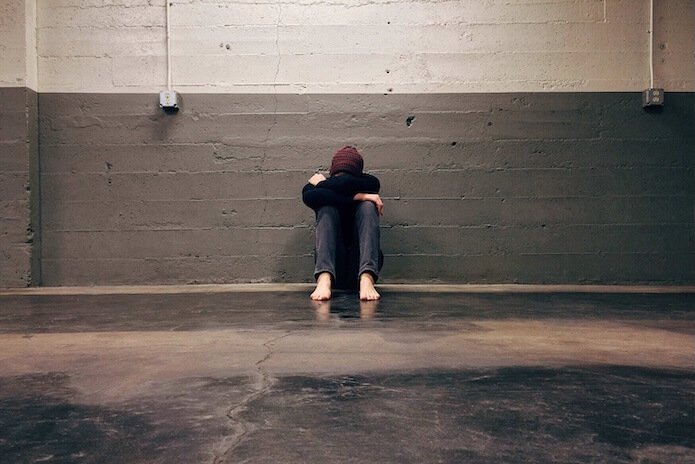
Everyone feels sad or depressed at times. Life is full of challenges and sometimes it seems like the dark clouds will never go away. But it's important to recognize when this sadness turns into something more serious—depression.
Everyone feels sad or depressed at times. Life is full of challenges and sometimes it seems like the dark clouds will never go away. However, it is important to understand when this sadness turns into something more serious – depression.
Depression is a common problem worldwide. According to the World Health Organization, it affects more than 264 million people. In Latvia, these numbers are just as alarming. It's time to break the stigma and talk openly about depression.
What is depression?
Definition of depression
Depression is not just a bad mood or temporary sadness. It is a serious mental illness that affects how a person feels, thinks and acts. Depression can cause a variety of emotional and physical problems, reducing your ability to function at work and at home.
The difference between sadness and depression
It is normal to feel sad after a loss, disappointment or difficult life event. However, if these feelings last for more than two weeks and start to affect your daily life, it could be a sign of depression.
For example, after the loss of a loved one, a friend may feel sad and alienated. At first it seems understandable, but if you can't return to your favorite activities and avoid other people for months, it could be more than just sadness.
Depression symptoms
Symptoms of depression can be different:
- Constant feelings of sadness, emptiness, or hopelessness.
- Loss of interest or pleasure in hobbies and activities.
- Changes in appetite – weight loss or gain for no apparent reason.
- Sleep disorders – insomnia or excessive sleeping.
- Loss of energy or constant fatigue.
- Loss of self-worth or feelings of guilt.
- Difficulty concentrating, thinking or making decisions.
- Thoughts of death or suicide.
If you or someone close to you experiences several of these symptoms for more than two weeks, it is important to consider seeking professional help.
Why depression isn't just about mood swings
Biological factors
Depression is often associated with changes in brain chemistry. Neurotransmitters such as serotonin, dopamine and norepinephrine play an important role in mood. When the levels of these chemicals are out of balance, it can lead to depression.
Psychological factors
Trauma, long-term stress or other psychological factors can contribute to the development of depression. People with certain personality traits, such as low self-esteem or a pessimistic outlook on life, may be more prone to depression.
Social factors
Social isolation, lack of support, financial problems or conflict in relationships can also contribute to the development of depression. Environment and relationships have a significant impact on mental health.
The stigma of depression
Society's stereotypes
Unfortunately, depression is still stigmatized. Many believe that this is a sign of weakness or that the person is simply lazy. These stereotypes can prevent people from seeking help.
I've had conversations with people who say, "I feel like no one will understand me if I talk about my feelings." This attitude is common and prevents open conversations about mental health.
Consequences of stigmatization
Stigmatization can lead to people suffering in silence, afraid to talk about their problems and not daring to seek professional help. This can worsen the condition and increase the risk of serious consequences, including suicide attempts.
Ways to overcome stigma
- Education: Spreading knowledge about depression and mental health helps break down myths and misconceptions.
- Open conversations: Sharing personal experiences can help others realize they are not alone.
- Support promotion: to create a supportive environment in the family, work and society.
When to seek help
Warning signs
- Symptoms last more than two weeks.
- They affect work, relationships and daily activities.
- Have thoughts of suicide or harming yourself.
- Alcohol or drugs are used to cope with feelings.
Risks of self-diagnosis
Although there is a wealth of information on the Internet, self-diagnosis can be misleading. Only a qualified specialist can make an accurate diagnosis and recommend appropriate treatment.
Available resources
Several resources are available in Latvia:
- Support groups: places to meet others with similar experiences.
- Helplines: anonymous advice and support.
Treatment options
Psychotherapy
Psychotherapy is an effective method in the treatment of depression. There are different approaches:
- Cognitive behavioral therapy (CBT): helps to recognize and change negative thinking and behavioral patterns.
- Interpersonal therapy: focus on improving relationships and communication skills.
- Psychodynamic therapy: explores past experiences and their impact on current emotions.
Lifestyle changes
- Physical activities: Regular exercise can improve mood and increase energy levels.
- Nutrition: a balanced diet provides the body with the necessary nutrients.
- Sleep: sufficient and quality sleep is essential for mental health.
- Stress reduction: Techniques such as meditation, yoga or breathing exercises can help reduce stress.
Social support
Support from family and friends can be invaluable. Sharing feelings and experiences can help reduce feelings of loneliness.
How to support a loved one with depression
Empathy and understanding
- Listening: being a present and attentive listener, without judgments or interruptions.
- Acknowledge their feelings: understand how difficult it is for them and that their feelings are important.
Practical support
- Offer help: help with daily tasks such as cooking or shopping.
- Invite to activities: offer to go for a walk together, to the cinema or other activities that could improve the mood.
- Encourage professional help: tactfully suggest that you consider talking to a specialist.
Determining boundaries
While taking care of others, don't forget about yourself. It is important to maintain balance and seek support if the situation also affects you.
Overcoming depression
Success stories
There are many people who have overcome depression and are sharing their stories to inspire others. For example, well-known musicians, actors, and athletes have spoken openly about their struggles with depression and how they found their way to recovery.
Self-help strategies
- Mindfulness and meditation: Helps to be present and reduce anxiety.
- Hobbies and creative activities: painting, writing or playing music can serve as an emotional outlet.
- Social engagement: Volunteering or getting involved in community activities can foster a sense of belonging.
Long-term perspective
Treating depression is a process that can take time. It is important to be patient and understand that recovery is not linear. There will be better days and worse days, but with the right support and resources, it is possible to return to a fulfilling life.
Conclusion
Depression is a serious illness that requires attention and care. It is not a sign of weakness or something that can simply be "overcome". If you or someone close to you is struggling with depression, know that help is available and you are not alone.
Talking about mental health is the first step in overcoming stigma. By sharing information and supporting each other, you can build a society where everyone feels understood and supported.
Additional resources
- Helpline: 116123 (free emotional support)
- Online consultation via psychologist,psychotherapist or psychiatrist Medon