Menstruation: Everything you need to know about the menstrual cycle
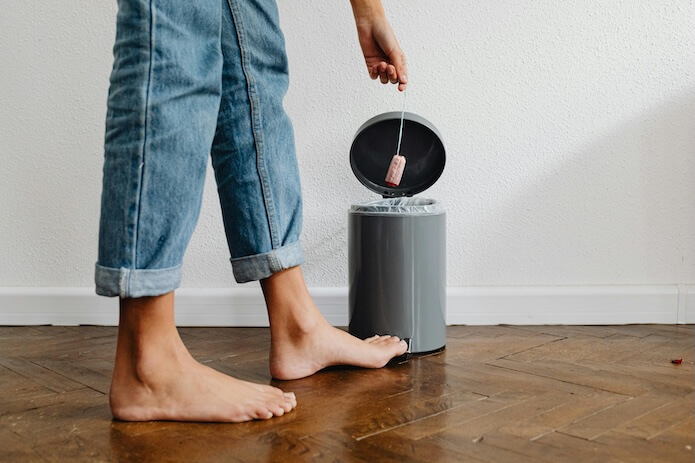
Menstruation is a natural biological process that occurs during a woman's reproductive age. It is a part of the menstrual cycle, the purpose of which is to prepare a woman's body for the possibility of pregnancy. Menstruation is characterized by the separation and release of blood and uterine lining through the vagina.
What is menstruation?
Menstruation is a natural biological process that occurs during a woman's reproductive age. It is a part of the menstrual cycle, the purpose of which is to prepare a woman's body for the possibility of pregnancy. Menstruation is characterized by the separation and release of blood and uterine lining through the vagina.
The menstrual cycle lasts on average 28 days, but it can vary from 21 to 35 days, depending on the individual characteristics of the woman. The cycle is regulated by a complex hormonal system in which hormones such as estrogen and progesterone play a key role. These hormones not only affect the reproductive system, but also other physiological processes such as bone density, skin elasticity, and even cardiovascular health.
The biological process during menstruation begins with the lining of the uterus thickening so that it is ready to receive a fertilized egg. If pregnancy does not occur, the drop in hormonal levels causes the lining of the uterus to shed and shed, a process called menstruation. Menstruation usually lasts from 3 to 7 days and is individual for each woman. For some women, menstruation can be mild, while for others it can be associated with intense pain and discomfort.
Phases of the menstrual cycle
The menstrual cycle consists of four main phases: follicular phase, ovulation, luteal phase and menstruation.
Follicular phase
The follicular phase begins during the first day of menstruation and continues until ovulation. During this time, the pituitary gland releases follicle-stimulating hormone (FSH), which stimulates the follicles in the ovaries to grow. Each follicle contains an egg, and during the phase most often one of the follicles becomes dominant and ready for ovulation. At the same time, the level of estrogen in the body increases, contributing to the thickening of the uterine lining. During this phase, women may feel more energetic and positive, as estrogen also affects brain chemistry.
Ovulation
Ovulation occurs when the dominant follicle releases an egg that enters the fallopian tubes. This process usually occurs around day 14 of the cycle, but can vary depending on individual cycle length. During ovulation, a woman is at her most fertile, and the chance of getting pregnant is highest. Some women experience mild pain in the lower abdomen during ovulation, called mittelschmerz.
Luteal phase
After ovulation, the luteal phase begins, which lasts about 14 days. At this time, a yellow body (corpus luteum) is formed from the ruptured follicle, which secretes progesterone and, to a lesser extent, estrogen. These hormones prepare the lining of the uterus for possible pregnancy. If fertilization does not occur, causing hormone levels to drop and menstruation to begin. A drop in progesterone can cause emotional swings, such as irritability and depressed mood.
Menstruation
Menstruation is the final phase of the cycle, which begins when the lining of the uterus is expelled from the body. This process lasts from 3 to 7 days, and during it the woman may experience various types of discomfort. During menstruation, it is also important to maintain good hygiene to avoid infections and unpleasant sensations.
Hormonal changes during menstruation
The menstrual cycle is closely related to hormonal changes in a woman's body, where the main hormones are estrogen and progesterone.
The role of estrogen and progesterone
Estrogen is mainly responsible for the thickening of the uterine lining during the follicular phase and also affects ovulation. Progesterone, in turn, maintains the readiness of the uterine lining for the implantation of a fertilized egg during the luteal phase. If pregnancy does not occur, the levels of these hormones decrease, leading to menstruation. In addition, these hormones also affect bone health and skin condition.
Effects of hormones on the body
Hormonal fluctuations can affect a woman's physical and emotional well-being. Changes in estrogen and progesterone levels can cause symptoms such as breast tenderness, bloating, mood swings and fatigue. Hormonal imbalances can also be associated with various menstrual problems, such as dysmenorrhea. In addition, hormonal changes can also affect appetite and sleeping patterns, which can significantly affect daily life.
Premenstrual syndrome (PMS)
Premenstrual syndrome is a common condition that involves physical and emotional symptoms before menstruation. These symptoms may be similar to those experienced during menstruation, but usually appear a few days to a week before menstruation. PMS can include breast tenderness, bloating, mood swings, and irritability. For some women, PMS symptoms can be so severe that they interfere with quality of daily life, and in such cases medical intervention may be necessary.
Common symptoms and discomfort
During menstruation, many women experience a range of physical and emotional symptoms that can cause discomfort.
Physical symptoms
- Pain and cramps in the lower abdomen
- Back pain
- Breast tenderness and swelling
- Headaches
- Bloating and indigestion
Emotional and psychological symptoms
- Mood swings
- Irritability
- Depression or anxiety
- Fatigue and lack of energy
Hormonal changes can significantly affect the activity of neurotransmitters in the brain, which can cause these emotional symptoms.
How to deal with discomfort
Different methods can be used to reduce menstrual discomfort:
- Heat therapy with a warm compress
- Relaxation and breathing exercises
- Regular physical activities
- A balanced diet rich in vitamins and minerals
Menstrual health problems
Dysmenorrhoea
Dysmenorrhea is a condition where menstruation is associated with severe pain and discomfort. It can be caused by excessive release of prostaglandins, which promote uterine contractions. Symptoms may include severe abdominal pain, back pain, and nausea.
Treatment options
- Nonsteroidal anti-inflammatory drugs (NSAIDs) for pain relief
- Hormonal contraceptives to regulate the cycle
- Physical therapy and alternative methods such as acupuncture
- Lifestyle changes such as dietary adjustments and stress management
Disorders of the menstrual cycle
Menstrual cycle disorders can include a variety of problems, including amenorrhea, oligomenorrhea, and polycystic ovary syndrome:
- Amenorea: absence of menstruation for more than 3 months.
- Oligomenorrhoea: Infrequent menstruation with longer intervals.
- Polycystic ovary syndrome (PCOS): Hormonal disorders that can cause irregular cycles and infertility.
These disorders may be related to an imbalance in the hormonal system and may require specific treatment to restore a normal cycle and improve fertility.
Diagnostics and solutions
Hormonal disorders
In addition to PCOS, there are other hormonal disorders such as hyperprolactinemia or thyroid dysfunction that can affect the menstrual cycle. These disorders can cause irregular cycles or even absence of menstruation and require specialist diagnosis and treatment.
Menstrual hygiene
By maintaining good menstrual hygiene, women can avoid infections and discomfort.
Types of hygiene products
- Tampons
- Hygienic packages
- Menstrual funnels
Every woman has her own preferences when it comes to hygiene products, and the choice can depend on lifestyle, activity level and personal needs.
Tips for maintaining hygiene
- Regular replacement of hygiene products every 4-6 hours
- Thorough hand washing before and after changing the product
- Avoiding scented products that can cause irritation
- Choose products that are friendly to the skin and the environment to reduce the risk of allergies and irritations
Diet and lifestyle during menstruation
A proper diet and a healthy lifestyle can help reduce symptoms and make you feel better during your period.
Recommended foods and nutrients
- Iron-rich foods such as red meat and spinach
- Omega-3 fatty acids such as fish and flaxseed
- Calcium and magnesium to help with muscle relaxation
- Vitamins B6 and E, which can help reduce PMS symptoms
Physical activity and recreation
- Regular moderate physical activity, such as walking or yoga, which promotes the release of endorphins and relieves pain
- Sufficient rest and sleep to restore energy
- Stress reduction techniques such as meditation, etc., that help maintain emotional balance
Emotional health during the menstrual cycle
During the menstrual cycle, women can experience emotional swings that are often associated with hormonal changes. To manage mood swings can help:
- Emotional support from friends and family
- Consultations with a psychologist or therapist
- Relaxation techniques such as meditation and yoga help maintain emotional balance and reduce stress
When to consult a doctor?
It is important to know when to seek medical help for menstrual cycle problems.
Signal symptoms that require medical attention
- Very heavy or prolonged periods
- Absence of menstruation for more than three months without pregnancy
- Unusual pain or discomfort
- Symptoms that affect daily life, such as severe depression or chronic fatigue
Regular health monitoring
Regular visits to the gynecologist will help monitor the health of the menstrual cycle and detect potential problems in time. Preventive examinations can prevent many health problems and help maintain good reproductive health.
Frequently asked questions about periods
Answers to the most frequently asked questions
- What is normal menstruation? Normal menstruation is regular, lasts from 3 to 7 days and does not cause excessive discomfort.
- Is exercise safe during menstruation? Yes, moderate exercise can even help reduce symptoms.
- Is it normal to experience mood swings? Yes, hormonal changes can cause mood swings, but if they are very pronounced, it is worth consulting a doctor.
This article provides a comprehensive overview of menstruation, covering its physiological aspects, symptoms, health problems and lifestyle recommendations. It is important to understand this process and know what to do to maintain good health and well-being.