Ovulation and fertility - everything you need to know
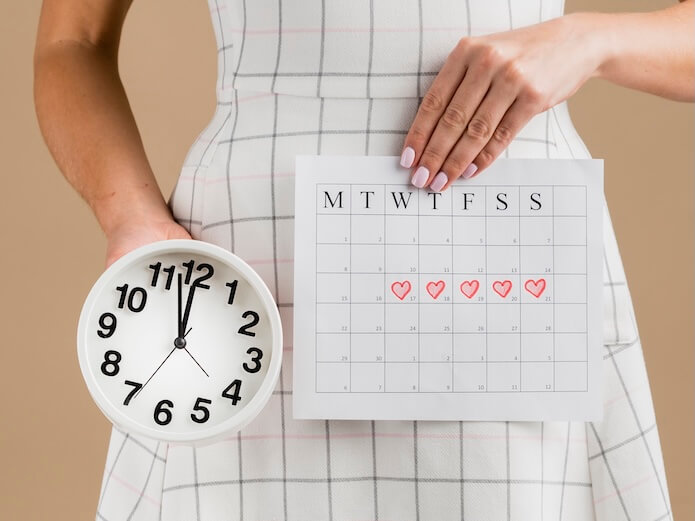
Ovulation is a biological process in which a mature egg is released from the ovary and enters the fallopian tubes, where it can be fertilized. This process happens about once a month and is part of the menstrual cycle. Ovulation usually occurs in the middle of the cycle, but the exact time can vary depending on the length of the individual cycle, usually 12-16 days before the start of the next period. The purpose of ovulation is to provide an opportunity for conception and is controlled by various hormones.
Ovulation is a critical process in the female reproductive system, and understanding it can help both women and healthcare professionals better manage a woman's health and reproductive plans. This article provides a detailed overview of the ovulation process, its regulation, physiological symptoms, and its importance in reproductive health.
What is ovulation?
Definition and process
Ovulation is a biological process in which a mature egg is released from the ovary and enters the fallopian tubes, where it can be fertilized. This process happens about once a month and is part of the menstrual cycle. Ovulation usually occurs in the middle of the cycle, but the exact time can vary depending on the length of the individual cycle, usually 12-16 days before the start of the next period. The purpose of ovulation is to provide an opportunity for conception and is controlled by various hormones.
Process phases:
- Development of follicles: follicle-stimulating hormone (FSH) promotes the maturation of follicles in the ovaries.
- Estrogen release: mature follicles secrete estrogen, which prepares the inner lining of the uterus (endometrium) for conception.
- Luteinizing hormone (LH) release: Estrogen levels signal the release of LH, which triggers ovulation.
- Release of the egg: the mature egg is released from the follicle and moves to the fallopian tube.
Hormonal regulation:
Hormonal regulation is an essential part of the ovulation process. The main hormones involved in regulating ovulation are:
- Estrogen: secreted from the follicles in the ovaries and prepares the endometrium for conception.
- Follicle Stimulating Hormone (FSH): promotes follicle maturation.
- Luteinizing hormone (LH): responsible for inducing ovulation.
Hormonal imbalances can affect ovulation and lead to reproductive problems such as anovulation, which can be associated with infertility.
Ovulation symptoms and signs
Physiological symptoms
Ovulation can cause a variety of physiological symptoms that women may feel or notice:
- An increase in core body temperature: usually increases by 0.5 - 1 degree Celsius after ovulation, associated with an increase in progesterone levels.
- Changes in cervical mucus: increased discharge, mucus becomes transparent and elastic, similar to egg white.
- Mittelschmerz: mild pain or discomfort in the lower abdomen associated with ovulation.
- Mammary gland sensitivity: may occur due to hormonal changes.
How to determine ovulation?
Timing ovulation can be useful for both planning and avoiding pregnancy. Methods to determine ovulation:
- Menstrual cycle tracking: paying attention to physiological symptoms.
- Ovulation tests: determines the rise in LH levels in the urine.
- Evaluation of cervical mucus: changes in mucus consistency and amount of secretion.
The role of ovulation in reproductive health
Relationship with the menstrual cycle
Ovulation is an integral part of the menstrual cycle and its occurrence is essential for maintaining a healthy cycle. The menstrual cycle begins with menstruation, which is the shedding of the lining of the uterus, and ends with the release of a new egg. Ovulation indicates the fertile phase of the cycle, and its absence can indicate reproductive health problems such as polycystic ovary syndrome (PCOS) or other hormonal disorders.
Ovulation and pregnancy planning
Ovulation is an essential factor in pregnancy planning. Knowing the time of ovulation, couples can better plan to conceive a baby, because the chance of conception is highest right at the time of ovulation and five days before it. This period is called the fertile window.
Planning strategies:
- Determination of ovulation time: helps to maximize the chances of conception.
- Physiological symptom tracking: a possible natural method of contraception.
Ovulation and health conditions
Ovulation disorders can be associated with various medical conditions:
- Polycystic ovary syndrome (PCOS): A form of hormonal disorder that can interfere with ovulation and cause infertility.
- Thyroid disorders: may affect hormonal balance and interfere with ovulation.
- Hyperprolactinemia: increased prolactin levels, which can interfere with ovulation.
Emotional and psychological aspects
Ovulation can be associated with various emotional and psychological aspects, especially for women with reproductive difficulties. These factors may include:
- Stress and anxiety: associated with difficulty in conceiving a child.
- Depression: May result from long-standing reproductive problems.
- Support: the support of loved ones and healthcare professionals is important.
Emotional support and psychological help can be helpful in helping to deal with emotional challenges related to ovulation.
Frequently asked questions about ovulation
Myths and truth
There are many myths about ovulation that often lead to misinformation and misunderstandings:
- A myth: ovulation always occurs on the 14th day after the start of menstruation.
- The truth: the time of ovulation can be very different and depends on the length of the individual cycle.
- A myth: women cannot conceive outside of ovulation period.
- The truth: Sperm can survive in a woman's body for up to five days, so pregnancy can occur if intercourse occurs before ovulation.
When to consult a doctor?
If a woman has difficulty determining ovulation or suspects an ovulation disorder, it is recommended to consult a healthcare professional. A doctor may perform various tests to assess hormone levels and determine if there are any problems with the reproductive system.
Consultation indications:
- Irregular menstrual cycle: May affect ovulation and chances of pregnancy.
- Ovulation disorders: Your doctor may recommend treatments to restore a normal ovulation cycle.
Ovulation and diet
Diet can affect ovulation and reproductive health. Research shows that certain nutrients and a healthy lifestyle can promote normal ovulation:
- Omega-3 fatty acids: found in fish and seafood. They are associated with improving hormonal balance and can reduce inflammatory processes in the body.
- Full-time: Promotes a healthy diet and can help maintain stable blood sugar levels, which are important for hormonal balance.
- Antioxidants: found in fruits and vegetables, can have a positive effect on reproductive health by protecting cells from oxidative stress.
The role of physical activity
Regular physical activity can be beneficial for ovulation regulation and a woman's overall health. Research shows that physical activity can reduce stress, improve sleep quality and maintain a healthy body weight, which in turn can promote normal ovulation. However, too intense or excessive physical activity can disturb the hormonal balance and cause menstrual cycle disturbances, so it is important to maintain moderation.
Stress management
Managing stress is essential for maintaining reproductive health. Chronic stress can affect the hypothalamic-pituitary-ovarian axis, which is responsible for hormonal regulation, and cause ovulation disorders. Relaxation techniques such as meditation, yoga, and progressive muscle relaxation can help reduce stress and improve overall emotional well-being.
Conclusions
Ovulation is an essential part of a woman's reproductive health. Understanding the ovulation process, its symptoms and meaning can help women better manage their reproductive health and plan for pregnancy. Monitoring your cycle regularly and understanding ovulation is an essential step towards a healthy reproductive life. If you have any doubts or questions, it is always recommended to consult a qualified healthcare professional for professional advice and support.
Additionally, women need to be aware of how diet, exercise, and stress management can affect ovulation and overall reproductive health. Integrating these factors into daily life can be an important step towards a higher quality of life and reproductive health.