What did you not know about the herpes virus?
HSV infections are very common worldwide and can be asymptomatic or present with severe clinical signs. Improper transmission and treatment of the virus can have serious consequences, so it is important to understand the nature of HSV and its impact on human health. A proper understanding of the nature of the virus and how it spreads is essential to reduce the risk of infection and ensure effective treatment.
What is herpes simplex virus?
Herpes Simplex Virus (HSV) is one of the most common viruses that cause infections in humans. It belongs to the Herpesviridae family and is a DNA virus. There are two main types of HSV: HSV-1 and HSV-2, which cause different clinical manifestations.
HSV-1 most commonly causes oral infections, such as oral and facial herpes lesions known as cold sores or herpes labialis. These sores often appear on the lips or around the mouth and can be painful and uncomfortable. HSV-1 can also cause genital infections, although this is less common. Such infections are often associated with oral sexual contact.
HSV-2 is primarily responsible for the development of genital herpes, causing painful sores and vesicles in the genital and anal area. These symptoms can be very unpleasant and can be associated with itching, burning and discomfort. Both types of the virus have a common feature - they can remain in a latent form in the nerve ganglia and reactivate, causing relapses. This latent stage means that after the initial infection, the virus can re-emerge, causing new symptoms.
HSV infections are very common worldwide and can be asymptomatic or present with severe clinical signs. Improper transmission and treatment of the virus can have serious consequences, so it is important to understand the nature of HSV and its impact on human health. A proper understanding of the nature of the virus and how it spreads is essential to reduce the risk of infection and ensure effective treatment.
Modes of transmission
Transmission of HSV occurs through direct contact with bodily fluids or lesions of an infected person. The virus can be transmitted:
- Through skin contact: kissing, touching or other direct contact with infected areas or fluids. Even a small break in the skin can be enough for the virus to enter the body.
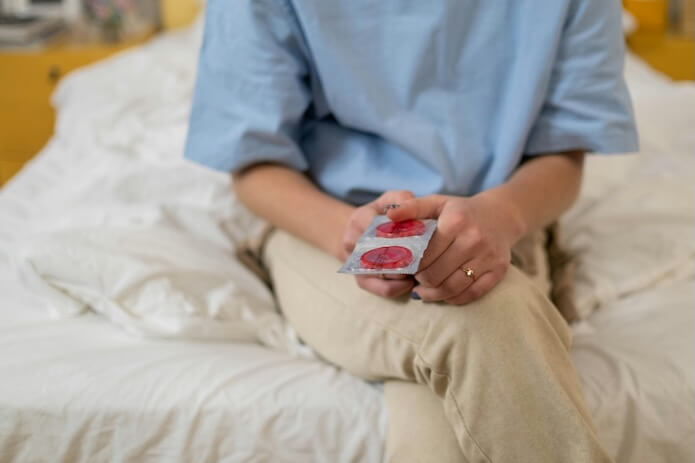
- During intercourse: Sexually transmitted infections, especially HSV-2, occur during intercourse, which may include vaginal, anal, or oral sex. Using condoms can reduce, but not completely eliminate, the risk of transmission.
- Mother-to-child transmission: HSV can be transmitted to the infant during delivery if the mother has an active infection. This type of transmission can cause severe complications for the newborn.
It is important to note that asymptomatic individuals can also transmit HSV. This asymptomatic transmission greatly increases the risk of spreading the virus, as the infected person may not be aware of their condition and continue to spread the virus. For this reason, regular medical examinations and open communication with sexual partners are essential.
Risk factors that increase the likelihood of HSV transmission include:
- Active infection: If an infected person has visible lesions or symptoms, the risk of transmission is particularly high.
- Multiple sexual partners: an increased number of partners increases the risk of infection, as each new partner is a potential source of the virus.
- Insufficient protection: not using condoms or lack of other protection during intercourse significantly increases the risk of infection.
Understanding the modes of transmission and risk factors is essential to reducing the spread of HSV and protecting public health. Educational measures and prevention strategies are important in protecting public health.
Symptoms and signs
Symptoms and signs of HSV infection can vary depending on whether the infection is primary or recurrent.
Primary infection
Primary HSV infection is often more severe and longer lasting than relapses. It can be manifested by:
- Fever and general malaise: Patients often experience flu-like symptoms such as fever, fatigue, headache and muscle aches. These symptoms can be especially pronounced in the first days after infection.
- For painful ulcers and vesicles: painful, blister-like sores develop in the mouth, face, genitals, or anal area. These lesions can be very painful and can interfere with daily activities.
- Lymphadenopathy: Swollen lymph nodes near the infected area are a common sign of primary infection. These nodes may be tender and painful.
- Burning and itching: there is often a burning and itching sensation in the lesions, which can be very uncomfortable.
Recurrences and their frequency
After a primary infection, HSV can remain latent in nerve ganglia, and the virus can reactivate, causing relapses. Relapses may be less severe and shorter, but symptoms may include:
- Ulcers and vesicles have reappeared: usually smaller and less painful than in the primary infection. However, they can still be uncomfortable and interfere with everyday life.
- Prodromal symptoms: some patients experience tingling, itching or burning in the affected area a few days before the sores appear. These symptoms may be the first sign that the virus has become active.
Relapse rates are highly individual and may decrease over time. It can be affected by various factors such as stress, illness, hormonal changes or a weakening of the immune system. Some people may experience relapses several times a year, while others may experience them infrequently.
Understanding the symptoms and signs of HSV helps you recognize the infection early and take the necessary steps to control it. Early recognition of symptoms can help start treatment sooner and reduce the severity of symptoms.
Diagnostics
Diagnosis of HSV is an important step in determining the presence of infection and providing appropriate treatment. Diagnostics includes several methods:
Laboratory analyses
- Polymer Chain Reaction (PCR): this is the most sensitive and specific method for detecting HSV DNA damage in samples such as from ulcers or vesicles. PCR analysis is very accurate and can detect the virus even in small amounts.
- Virus culture: this method involves growing the virus in the laboratory from samples of the lesions to confirm the presence of HSV. Although this method is reliable, it may be less sensitive than PCR.
- Serological tests: Blood tests that look for antibodies to HSV-1 and HSV-2. They are useful for detecting past or current infection, especially when there are no visible symptoms. Serological tests can indicate whether a person has been exposed to the virus in the past.
Clinical examination
- Physical examination: The doctor evaluates for clinical signs such as ulcers, vesicles and lymphadenopathy. Physical examination can provide important information about the severity and location of the infection.
- Medical history: a detailed patient history and analysis of symptoms helps determine the likely source and nature of the infection. History can also reveal possible reasons for re-infection.
Timely and accurate diagnosis is essential to ensure effective treatment and prevent the development of complications. Accurate diagnosis helps avoid wrong treatment and improves the patient's chances of recovery.
Treatment options
Lifestyle changes and prevention
- Avoidance of triggers: stress, illness and other factors that cause relapses should be avoided or controlled. Stress management and a healthy lifestyle can help reduce the risk of relapse.
- Strengthening immunity: A healthy lifestyle, a balanced diet and regular physical activity can help strengthen the immune system. A strong immune system can help control viral activity and prevent relapses.
- Safe sexual behavior: Using condoms and other protective measures can reduce the risk of HSV transmission. Safe sexual behavior is essential to protect yourself and your partners from infection.
Proper treatment and preventive measures are essential to control HSV infection and reduce its impact on quality of life. It is important for patients to be aware of their options and take an active role in managing their health.
Complications
HSV infections can cause a number of complications, especially if they are not properly treated.
Possible consequences
- Herpetic encephalitis: In rare cases, HSV can cause inflammation of the brain, a potentially life-threatening condition. Herpetic encephalitis can cause serious neurological consequences, including mental impairment and even death.
- Herpes of the eye: HSV-1 can cause eye infections, causing keratitis and other eye damage that can lead to vision loss. Eye herpes needs to be treated urgently to prevent permanent damage.
- Neonatal herpes: Babies who become infected during birth can experience severe forms of infection that can be fatal. Neonatal herpes treatment is intensive and requires specialized medical care.
HSV and pregnancy
HSV infections during pregnancy are especially dangerous because they can cause:
- Prenatal complications: increased risk of miscarriage, premature birth and fetal malformations. HSV infection can adversely affect pregnancy outcomes if not properly managed.
- Neonatal herpes: high risk of transmitting the virus to the baby during childbirth, which can have serious consequences. It is important for pregnant women with HSV to talk to their doctor about possible prevention measures.
Timely diagnosis and appropriate treatment are essential to prevent complications and ensure a safe pregnancy. Pregnant women with HSV infection should be especially careful and follow the doctor's instructions.
Living with HSV
Living with HSV can be a challenge that affects a person's emotional and psychological well-being.
Psychological aspects
- Emotional stress: the diagnosis can lead to anxiety, depression and social isolation as people often feel stigmatised. Stigmatization can create additional emotional burdens that affect a person's overall well-being.
- Self-esteem and relationships: HSV can affect self-esteem and cause difficulties in relationships, especially if partners react negatively. Open communication with partners and understanding about the virus can help improve relationships and reduce anxiety.
Support resources
- Education and information: Knowledge about the virus and its management can help reduce fear and uncertainty. Educational materials can provide the necessary information to better understand and manage the infection.
- Support groups: Participating in support groups or counseling with professionals can provide emotional support and help. Support groups offer an opportunity to share experiences and get support from others facing similar problems.
- Consultations: psychological counseling can help you cope with emotional challenges and improve your quality of life. Counseling with professionals can help you develop strategies for coping with stress and emotional stability.
Supportive resources and education are essential to promote a positive adjustment to life with HSV and to reduce its psychological impact. Patients are encouraged to use available resources to improve their quality of life.
Prevention and public health
Prevention of HSV is an important public health priority to reduce the spread of infection and ensure effective public education.
Vaccination options
There is currently no vaccine available to completely prevent HSV infections. However, research is ongoing in an effort to develop an effective vaccine that could prevent the infection from developing or reduce its severity. Research into vaccine development is underway to find safe and effective solutions to protect against HSV. The goal of a potential vaccine is not only to prevent primary infection, but also to reduce the severity and frequency of relapses.
Educational events
- Public education: Information campaigns on the prevalence of HSV, modes of transmission and preventive measures are essential to reduce the spread of infection. Educating the public about the nature of the virus and prevention measures can help reduce stigma and increase awareness.
- Promoting safe sexual behavior: Education about safe sex and condom use can reduce risk. Sexual health education is essential to promote responsible behavior and reduce the risk of infection.
- Regular medical check-ups: Regular screening is recommended for people at risk to detect and treat HSV infections early. Early detection and treatment can reduce the risk of complications and improve treatment outcomes.
Prevention strategies and education are important to effectively control the spread of HSV and improve public health. Public health initiatives and policies can promote safe behavior patterns and reduce the spread of infection.