Urinary incontinence - how to regain control of your body?
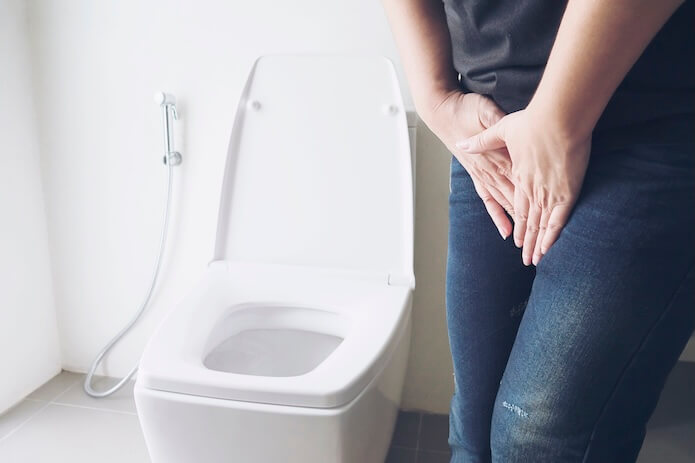
Urinary incontinence is a term used to describe the involuntary leakage of urine. This problem can take many forms, and the classification helps determine the most appropriate treatment method. There are several types of incontinence, the most common of which are stress incontinence, urge incontinence, mixed incontinence, and functional incontinence.
Urinary incontinence is a common medical problem that affects millions of people worldwide, greatly affecting quality of life and social well-being. This pathophysiological phenomenon is defined as the unexpected leakage of urine, which can be associated with a variety of causes and symptoms. This article will discuss the definition of urinary incontinence, its causes, symptoms and possible treatments based on the latest medical evidence and guidelines.
What is urinary incontinence?
Definition and types of urinary incontinence
Urinary incontinence is a term used to describe the involuntary leakage of urine. This problem can take many forms, and the classification helps determine the most appropriate treatment method. There are several types of urinary incontinence, of which the most common are:
- stress urinary incontinence
- Urinary incontinence
- mixed incontinence
- functional incontinence
Stress incontinence usually occurs as a result of physical activity, coughing or sneezing, when the bladder muscles are unable to effectively control the flow of urine. Urinary incontinence is caused by a sudden contraction of the bladder that cannot be controlled. Mixed incontinence is a combination of these two types. Functional incontinence occurs when a physical or mental disorder prevents an individual from getting to the toilet on time.
Prevalence and impact of urinary incontinence
Urinary incontinence is a common problem that affects both women and men, although women experience it more often. Studies indicate that approximately 25-45% of women and 8-15% of men suffer from some form of urinary incontinence. The prevalence of this condition increases with age, but it is not an integral part of aging. Urinary incontinence not only affects physical health, but also emotional and psychosocial well-being, leading to anxiety, depression and social isolation.
Causes of urinary incontinence
Physiological causes
Physiological causes of urinary incontinence are related to various anatomical and physiological factors. In women, the common causes of this problem are weakened pelvic floor muscles, which can be related to pregnancy, childbirth or menopause. Additional factors may include aging associated with loss of muscle tone, as well as urological diseases such as urinary tract infections or overactive bladder. In men, urinary incontinence is often caused by problems with the prostate such as benign prostatic hyperplasia or changes after surgery for prostate cancer.
Lifestyle and environmental factors
Lifestyle and environmental factors can greatly influence the development of urinary incontinence. Obesity is a significant risk factor because extra weight puts pressure on the bladder and pelvic muscles. Smoking also increases the risk, as chronic coughing and nicotine exposure can weaken the pelvic floor muscles. In addition, a poor diet and inadequate fluid intake can worsen the symptoms of urinary incontinence. Environmental factors, such as inaccessible toilet facilities or mobility restrictions, can also contribute to functional urinary incontinence.
Other risk factors
Symptoms and diagnostics
Main symptoms
The symptoms of urinary incontinence can be different and depend on the type and severity of the condition. The main symptoms include involuntary leakage of urine, which can occur in stressful situations or due to a sudden contraction of the bladder. Patients may also complain of a frequent need to go to the toilet, leakage of urine at night (nocturia) and the risk of urinary tract infections. Often patients also experience emotional distress, which can include anxiety, shame, and social isolation.
Diagnostic methods
An accurate diagnosis of urinary incontinence is essential to determine the most appropriate treatment plan. The diagnostic process begins with a detailed history and physical examination, where the clinician evaluates symptoms, urinary leakage conditions, and other potential factors. In addition, laboratory tests such as urinalysis are performed to detect possible infections. Urodynamic studies such as uroflowmetry and cystometry can provide detailed information about bladder function. Imaging techniques such as ultrasonography can help assess anatomical changes.
Additional diagnostic studies
In addition to standard diagnostic methods, additional studies such as cystoscopy are sometimes used to directly view the bladder and urethra. This technique can help identify structural abnormalities or lesions that could contribute to incontinence. Additional neurological examinations may be necessary if a nervous system disorder is suspected that may affect urinary incontinence.
Treatment options
Physiotherapy and lifestyle changes
Physiotherapy and lifestyle changes are essential components in the conservative management of urinary incontinence. Pelvic floor strengthening exercises, such as Kegel exercises, have been shown to be effective in improving muscle tone and reducing urine leakage. In addition to regular physical activity, changes in dietary habits such as avoiding irritating foods and regular fluid intake are important. Smoking cessation and weight control are also important elements in preventing progression of symptoms and improving quality of life.
Surgical options
Surgical interventions may be necessary in cases where conservative treatment methods are not effective. In women with stress urinary incontinence, sling surgery, such as a midurethral sling, is often used to provide support to the urethra. For men with urinary incontinence after prostate surgery, an artificial urethral switch may be recommended. Alternatively, injections with bulking agents can help improve urethral sphincter function. Any surgical procedure should be performed in accordance with patient safety and efficacy guidelines and with full disclosure of potential risks and benefits.
Innovative treatment methods
Recent advances in medical technology have made it possible to use innovative treatment approaches such as neurostimulation. Sacral nerve stimulation therapy is a method that uses a small device implanted under the skin to stimulate the nerves that control the bladder. This approach can be effective for patients who have failed conventional treatments.
Prevention and improving quality of life
Preventive measures
Preventive measures are important to reduce the risk of developing urinary incontinence and improve the quality of life. Regular exercises that strengthen the pelvic floor muscles can help maintain functionality and prevent muscle weakness. Improving dietary habits, including a high-fiber diet and adequate fluid intake, can help maintain bladder health. Reducing smoking and alcohol consumption are also important preventive measures. Understanding stress management techniques and getting enough sleep can also help reduce urinary incontinence symptoms.
Patient education and self-care
Patient education is essential to help individuals better understand and manage urinary incontinence on a daily basis. Self-care strategies such as bladder training can help improve symptoms. Healthcare professionals can also provide information about available devices, such as catheters, if needed to improve the patient's ability to manage the condition.
Support groups and resources
Support groups and other resources are essential to help patients cope with incontinence and improve emotional well-being. Many healthcare facilities offer support groups where patients can share experiences and receive emotional support. In addition, Internet resources and literature can provide valuable information on symptom management and new treatments. Access to professional medical advice and psychological support can be indispensable tools in helping patients overcome the emotional challenges associated with this condition.
Conclusions
Summary and future perspectives
Cutting edge research and an interdisciplinary approach
According to recent research, genetic factors may play an important role in an individual's susceptibility to urinary incontinence. Research is currently underway to understand how different genes can affect pelvic floor muscle strength and bladder functionality. In addition, new biomaterials are being developed that could improve the efficiency of surgical interventions and reduce the risk of complications. Personalized medicine approaches based on genetic profiling results promise to tailor treatments to be more effective and targeted.
Effective treatment of urinary incontinence often requires an interdisciplinary approach that includes urology, gynecology, physiotherapy and psychological support. By combining the knowledge and experience of different specialties, a better understanding of patients' needs can be achieved and individually tailored treatment can be provided. Such approaches may also facilitate long-term symptom control and improve the patient's psychosocial well-being.
In conclusion, although urinary incontinence is a challenging condition, modern medicine offers promising options for its management and symptom improvement. Patients and physicians must work together to develop the most appropriate treatment plan that will ensure optimal quality of life and minimize the negative impact of urinary incontinence on daily life.