Check your skin - skin cancer can start unnoticed
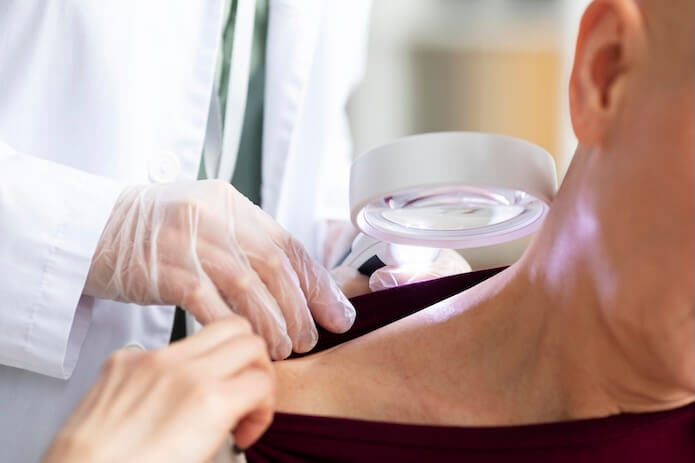
Skin cancer is one of the most common types of cancer in the world, and its prevalence continues to increase. It develops when skin cells begin to grow out of control and form a tumor. Skin cancer can affect anyone, but fair-skinned people who spend a lot of time in the sun are especially at risk. It is important to understand the different types of skin cancer, their symptoms, risk factors, and possible treatments.
Skin cancer is one of the most common types of cancer in the world, and its prevalence continues to increase. It develops when skin cells begin to grow out of control and form a tumor. Skin cancer can affect anyone, but fair-skinned people who spend a lot of time in the sun are especially at risk. It is important to understand the different types of skin cancer, their symptoms, risk factors, and possible treatments.
Types of skin cancer
Basal cell carcinoma
BPH usually appears as a skin-colored or slightly darker nodule that may look like a pearl. It often appears on areas most exposed to the sun, such as the face, ears, neck, and hands. Although BSC is less aggressive than other types of skin cancer, early diagnosis and treatment are very important to prevent the tumor from spreading and causing complications.
Squamous cell carcinoma
Squamous cell carcinoma (SCC) is the second most common form of skin cancer that arises from squamous cells in the upper layers of the skin. PSK is more common in fair-skinned people and those who spend a lot of time in the sun or in tanning beds. This type of cancer can also develop from actinic keratosis, a precancerous skin lesion.
PSC presents as red, scaly patches or warts that can become ulcers. These tumors can appear on any part of the body, but most often affect the face, ears, neck, arms and legs. PCOS can spread to the lymph nodes and other parts of the body, making it more dangerous if not treated early.
Treatment for PCOS usually involves surgical removal of the tumor, but radiation therapy or local chemotherapy may also be used. To prevent the development of PSK, it is important to protect the skin from the sun and to regularly examine the skin by a dermatologist.
Melanoma
Melanoma is the most dangerous type of skin cancer that develops from melanocytes, the cells that produce the pigment melanin that gives the skin its color. Although less common than BSC or BSC, melanoma is responsible for the majority of skin cancer-related deaths.
Melanoma usually appears as a new mole or a change in an existing mole, which may become asymmetrical, have irregular edges, change color, diameter, or rise above the surface of the skin. It usually develops on sun-exposed areas of the skin, but can also appear on parts of the body that are not exposed to sunlight.
Early detection and treatment of melanoma is essential because it can quickly spread to other parts of the body through the lymphatic system and blood vessels. Treatment options include surgical excision, immunotherapy, targeted therapy, and sometimes chemotherapy. Regular skin exams and mole monitoring help detect melanoma early.
Risks and causes
Ultraviolet radiation
Ultraviolet (UV) radiation is the main cause of skin cancer. It comes from the sun and artificial sources such as tanning beds. UV radiation damages the DNA of skin cells, which can lead to mutations and the development of cancer. UV radiation is responsible for most cases of BCC, BCC and melanoma.
People who are frequently exposed to the sun without protection, such as sunbathing or working outdoors, are at greater risk. The use of tanning beds also significantly increases the risk of skin cancer. Children and teenagers need special care, as the effects of UV radiation on the skin are cumulative and early exposure can contribute to the development of cancer later in life.
To reduce the risk of UV radiation, it is recommended to use a sunscreen with a high SPF, wear protective clothing and avoid peak sun hours. The use of solariums should also be limited or avoided altogether.
Genetic factors
Genetic factors can affect a person's susceptibility to skin cancer. Certain genetic mutations and syndromes increase the risk of developing melanoma, such as a family history of melanoma or genetic mutations in the CDKN2A gene. Genetic tests can help identify these mutations and assess risk.
People with a family history of skin cancer are more at risk. People with a large number of moles or atypical moles are also at higher risk. In case of genetic predisposition, it is important to regularly check the skin and consult a dermatologist.
Although genetic factors cannot be changed, being aware of your genetic risk can help you take preventative measures, such as avoiding the sun and getting regular skin exams. For families with a high risk of skin cancer, consultation with a genetic counselor is recommended.
Lifestyle and environmental influences
Lifestyle and environment can also affect the development of skin cancer. In addition to sun exposure, smoking and pollution can increase the risk of CHD. Toxic chemicals such as arsenic, found in some pesticides and water sources, can also contribute to the development of skin cancer.
People who work outdoors or are regularly exposed to chemicals are more at risk. Environmental factors, such as ozone depletion, also increase skin exposure to UV radiation, which increases the risk of skin cancer.
To reduce these risks, it is important to pay attention to environmental protection and observe safety measures when working with chemicals. Quitting smoking and living a healthy lifestyle also help reduce the risk of skin cancer.
Symptoms and diagnostics
Early symptoms
Early detection of skin cancer is essential for successful treatment. Early symptoms can vary depending on the type of cancer, but often include changes in the appearance of the skin.
- New birthmarks or changes in existing birthmarks, such as asymmetry, irregular edges, change in color, increase in diameter or change in height.
- Painful, itchy or bleeding spots or nodules.
- Incurable ulcers or wounds that do not heal for a long time.
- Scaly, red spots or warts that do not go away.
These symptoms may not always be related to cancer, but if they appear, it is important to consult a dermatologist. Early diagnosis can significantly increase the effectiveness of treatment and improve the prognosis.
Diagnostic methods
Diagnosis of skin cancer begins with a thorough skin examination by a dermatologist. If cancer is suspected, your doctor may recommend a biopsy, in which a sample of tissue is taken and analyzed under a microscope.
There are several types of biopsies, including shave biopsy, puncture biopsy, and excisional biopsy, depending on the nature and location of the suspected lesion. Diagnostics may also include dermatoscopy, which allows you to look at skin lesions with magnification.
If skin cancer is confirmed, further tests such as an ultrasound of the lymph nodes or other imaging techniques may be needed to determine if the cancer has spread. Early and accurate diagnosis is critical to developing an effective treatment plan.
Treatment options
Surgical intervention
Surgical intervention is the most common form of skin cancer treatment, especially in cases of BSC and PSC. The surgeon cuts out the tumor along with a small amount of healthy tissue to ensure that all the cancer cells are removed.
Mohs micrographic surgery is a particularly effective method that requires minimal removal of healthy skin and is suitable for tumors with imprecise margins or located in cosmetically sensitive areas such as the face. During Mohs surgery, the layers are examined under a microscope until a clean margin is achieved.
Surgery may also be needed to remove lymph nodes if the cancer is suspected to have spread. Although surgery is usually very effective, reconstructive surgery may be necessary after surgery to restore the appearance and function of the skin.
Radiation therapy
Radiation therapy is an alternative to surgical treatment, especially if surgery is not possible or the tumor is located in a difficult-to-reach area. Radiation therapy uses high-energy rays to kill cancer cells and shrink the tumor.
This method is especially useful for BSC and some cases of melanoma where the cancer has spread to the lymph nodes or other parts of the body. Radiation therapy may also be used as adjuvant therapy after surgery to kill any remaining cancer cells.
Radiation therapy is usually given in several sessions and can cause side effects such as skin irritation, fatigue and dryness. However, it is an effective method that can help control cancer and improve prognosis.
Chemotherapy and immunotherapy
Both chemotherapy and immunotherapy can cause side effects, including fatigue, nausea, rashes, and immune system disturbances. Therefore, it is important that treatment is under the supervision of an experienced oncologist who can carefully evaluate and manage side effects.
Prevention and education
Sun protection
Sun protection is one of the most effective ways to prevent skin cancer. This includes using a high SPF sunscreen, even on cloudy days, and reapplying every two hours, especially after swimming or sweating.
In addition to sunscreen, it is important to wear protective clothing such as wide-brimmed hats, sunglasses, and long-sleeved clothing. Avoiding peak solar radiation, which is usually between 10:00 AM to 4:00 PM is also recommended.
Protecting the skin of children and teenagers is especially important because early exposure to UV radiation can significantly increase the risk of skin cancer later in life. Parents should ensure that children are protected from the sun and encourage healthy sun protection habits.
Regular skin checks
Regular skin examinations are essential for the early detection of skin cancer. People are advised to check their skin regularly for changes in moles, spots or any new skin growths.
During the self-examination, it is important to pay attention to the ABCDE rule: Asymmetry, Irregular edges, Color change, Diameter (more than 6 mm) and Evolution (changes over time). If changes are observed, a dermatologist should be consulted immediately.
A professional skin examination by a dermatologist should be performed at least once a year, especially for people at high risk of skin cancer. Early diagnosis and treatment can greatly improve the chances of survival and prevent complications.