Everything you need to know about lung cancer, from risk factors to diagnosis
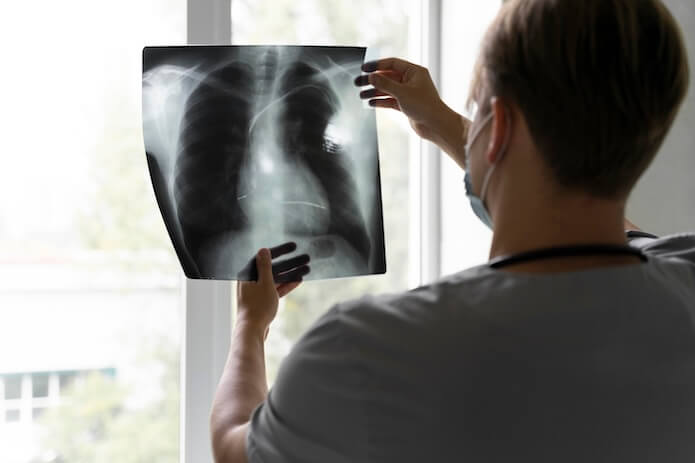
Lung cancer is a malignant tumor that develops in lung tissue, most commonly from the cells that line the airways. It is one of the most common and deadliest types of cancer both in the world and in Latvia, responsible for approximately 1.8 million deaths per year in the world, accounting for approximately 18% of all cancer-related deaths. In Latvia, like elsewhere in the world, lung cancer is one of the most frequently diagnosed types of cancer, especially in men.
What is lung cancer?
Lung cancer is a malignant tumor that develops in lung tissue, most commonly from the cells that line the airways. It is one of the most common and deadliest types of cancer both in the world and in Latvia, responsible for approximately 1.8 million deaths per year in the world, accounting for approximately 18% of all cancer-related deaths. In Latvia, like elsewhere in the world, lung cancer is one of the most frequently diagnosed types of cancer, especially in men.
The disease is associated with a high mortality rate because it is often detected in late stages when treatment options are limited. However, early diagnosis and effective treatment can significantly improve patients' chances of survival. Therefore, it is important to be aware of the risks, symptoms and treatment options of this disease.
The prevalence and significance of lung cancer is related to several factors, including the prevalence of smoking, environmental pollution, and genetic predisposition. An active fight against smoking and promoting a healthy lifestyle can significantly reduce the number of lung cancer cases. Quitting smoking is the main preventive step, because tobacco smoke contains more than 70 carcinogenic substances that significantly increase the risk of cancer.
Types of lung cancer
Lung cancer is divided into two main types: small cell lung cancer (SCLC) and non-small cell lung cancer (NSCLC). This classification is based on the appearance of cancer cells under the microscope and differences in their biological behavior, which affect the treatment approach.
Small cell lung cancer
Small cell lung cancer is more aggressive and more rapidly progressive than non-small cell lung cancer. It accounts for about 10-15% of all lung cancers and is closely related to smoking. It often spreads to other parts of the body at an early stage. Treatment methods usually include chemotherapy and radiation therapy, as surgery is often not possible due to the spread of the disease. SCC tends to respond quickly to treatment, but relapses are common and the prognosis is often poor. The outcome of the treatment is also influenced by the patient's general state of health and compliance with the treatment.
Non-small cell lung cancer
Non-small cell lung cancer is the most common type, accounting for approximately 85-90% of all lung cancers. It is divided into three subtypes: adenocarcinoma, squamous cell carcinoma, and large cell carcinoma. NSPV progresses more slowly than SSPV and is more often diagnosed in the early stages when surgical treatment is possible. Treatment may include surgery, radiation therapy, chemotherapy, and targeted therapy, depending on the stage of the tumor and the patient's general condition. Adenocarcinoma is the most common subtype and is often seen in non-smokers, while squamous cell carcinoma is more commonly associated with smoking.
Causes and risk factors
Lung cancer is a multifactorial disease that is influenced by several risk factors:
- Smoking: a major risk factor associated with approximately 85% of lung cancers. Smokers have a significantly higher risk of cancer than non-smokers. The intensity and duration of smoking directly correlates with the risk of developing cancer.
- Passive smoking: regular exposure to tobacco smoke also increases the risk of lung cancer. Passive smoking poses a significant risk to people who live or work with smokers.
- Pollution and harmful substances: Long-term exposure to polluted air, asbestos, radon and other carcinogens increases the risk. Radon is a radioactive form of gas that can accumulate indoors and be an invisible cause of lung cancer.
- Genetic factors: A family history of cancer may indicate an increased risk due to a genetic predisposition. Certain genetic mutations can increase susceptibility to environmental carcinogens.
- Chronic lung diseases: Chronic obstructive pulmonary disease (COPD) and other lung conditions can increase the risk of developing cancer because chronic inflammation can promote carcinogens.
Understanding these risk factors is essential to promote preventive measures and early diagnosis. Education about healthy lifestyles and regular medical check-ups can help reduce the impact of these risks.
Symptoms and diagnostics
Lung cancer often does not present specific symptoms at first, making early detection difficult. However, there are symptoms that may indicate the disease:
- Constant cough that does not go away and gets worse
- Chest pain that gets worse when you cough or laugh
- Dyspnea and shortness of breath
- Coughing up blood
- Chronic fatigue and weight loss
- Hoarseness of voice
Early symptoms
In the early stages, lung cancer may be asymptomatic, but patients may notice symptoms such as mild shortness of breath and a small, persistent cough. These signs are often ignored or associated with less serious respiratory diseases. Early recognition of symptoms is critical because it can greatly increase the chances of successful treatment. In addition, as the tumor grows, other signs may appear, such as pleurisy or effusion in the pleural cavity.
Diagnostic methods
Lung cancer diagnosis includes several procedures that help determine the presence and stage of the tumor:
- Radiography: often the first step in detecting lung cancer, although accuracy may be limited in early stages. X-rays can reveal larger tumors or metastases.
- Computed Tomography (CT): provides more detailed images and helps determine the size and spread of the tumor. CT is more effective than radiography in detecting fine structures and small nodules.
- Biopsy: taking a tissue sample from the lung to examine cancer cells under a microscope. A biopsy may be performed using a bronchoscopy or percutaneous needle.
- PET scan: helps determine the degree of metastasis and tumor activity. PET scans are particularly useful for assessing the extent of disease in the body.
- Low Dose Computed Tomography (LDCT): recommended for early diagnosis in high-risk patients, especially long-term smokers. LDCT has reduced lung cancer mortality by detecting it in its early stages.
The combination of these diagnostic methods allows doctors to accurately determine the presence of cancer and develop an effective treatment plan. Additional tests, such as molecular analysis, can help determine the appropriateness of targeted therapy.
Treatment options
Lung cancer treatment depends on its type, stage and the patient's general health. The main treatments include:
- Surgery: used to remove the tumor if it is localized and operable. Surgery can be curative in the early stages if the tumor is completely resectable.
- Chemotherapy: used to kill cancer cells or stop their growth. It can be a systemic approach that affects cells throughout the body.
- Radiation therapy: used to kill cancer cells that remain after surgery or chemotherapy. Radiation therapy can be external or internal (brachytherapy).
Surgery
Surgical intervention is one of the main treatment options if the tumor is localized and operable. Depending on the size and location of the tumor, a lobectomy (removal of a lobe of the lung), segmentectomy or complete removal of the lung (pneumonectomy) is performed. Surgery can be radical, but is often combined with other treatments for better results. Minimally invasive techniques such as video-assisted thoracoscopy (VATS) can reduce recovery time and postoperative complications.
Chemotherapy and radiotherapy
Radiation therapy is used to target cancer cells and shrink a tumor that is inoperable. It can be the main method of treatment or in addition to chemotherapy and surgery. Precision radiation therapy techniques, such as stereotactic body radiation therapy (SBRT), allow the tumor to be targeted with greater precision and less damage to surrounding tissue.
Immunotherapy
Immunotherapy is a modern treatment method that uses the patient's immune system to fight cancer. It can be effective in treating lung cancer, especially in patients with certain genetic markers. Immunotherapy works by blocking specific proteins that allow cancer cells to escape attack by the immune system, thereby helping the immune system recognize and destroy cancer cells. This approach has brought hope to patients with advanced and metastatic lung cancer for whom conventional methods have been less effective.
Quality of life and support
Lung cancer significantly affects the quality of life of patients, as the disease and its treatment can cause physical, emotional and social problems. Patients often need support to cope with the emotional and psychological effects of the disease. Psychological support, physiotherapy, nutritional counseling and pain management are essential to improve quality of life.
Patient support groups and rehabilitation programs can help patients and their families understand and overcome the challenges of the disease. Establishing an early and comprehensive support system is critical to helping patients live more fulfilling lives. In addition, adjusting daily activities and diet can reduce treatment side effects and improve physical condition.
Prevention and early detection
Prevention is one of the most effective ways to reduce the risk of lung cancer. The main preventive measures include:
- Smoking cessation: the most effective way to reduce the risk of lung cancer. Quitting can reduce risk even for long-term smokers.
- Environmental protection: reduce exposure to harmful substances such as asbestos and radon. Proper ventilation systems and home radon testing can be effective preventative measures.
- Healthy lifestyle: regular physical activity and a balanced diet. Physical activity and a healthy diet can improve overall health and strengthen the immune system.
- Early diagnosis: regular medical examinations and screening for high-risk groups to detect cancer in its early stages. LDCT screening has demonstrated the ability to reduce lung cancer mortality in a high-risk population.
Public education and policy advocacy are essential to reduce smoking prevalence and increase awareness of lung cancer risks. Public health campaigns and accessible smoking cessation programs can have a significant impact on public health.
Summary
Lung cancer is a serious disease that requires early diagnosis and effective treatment. Although it is one of the most common and deadliest types of cancer, preventive measures such as smoking cessation and early diagnosis can significantly improve the prognosis. It is important to be aware of the risks and symptoms, and to take advantage of available treatment and support resources to ensure the best possible quality of life. We invite you to take preventive measures and regular health checks to reduce the risk of developing lung cancer. Families, health care providers and society at large can play an important role in the fight against this disease by promoting healthy lifestyles and supporting patients and their families.