Scleroderma - what is it and how to live with it?
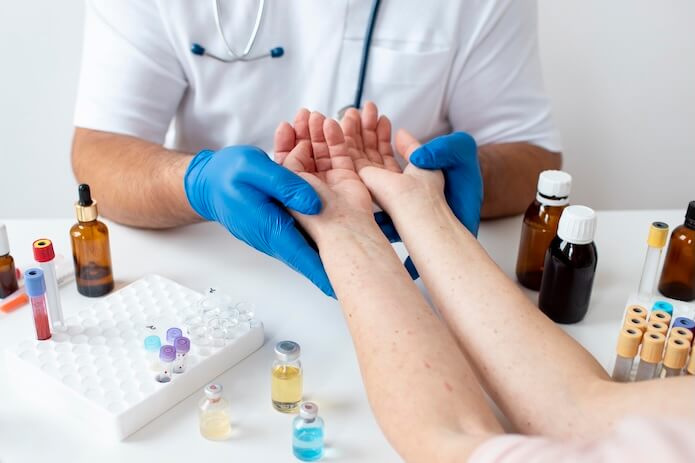
Scleroderma is a chronic autoimmune disease that causes the immune system to become overactive and promote collagen overproduction. This process causes thickening of connective tissue and scarring. Scleroderma can be localized, affecting only the skin, or systemic, affecting internal organs and blood vessels.
What is scleroderma?
Scleroderma is a chronic autoimmune disease that causes the immune system to become overactive and promote collagen overproduction. This process causes thickening of connective tissue and scarring. Scleroderma can be localized, affecting only the skin, or systemic, affecting internal organs and blood vessels.
Key facts about scleroderma:
- It is a rare disease that affects women more often than men.
- The disease usually appears between the ages of 30 and 50.
- There is no known complete cure, but treatment can help control symptoms and prevent complications.
Types of scleroderma
Scleroderma is classified into two main categories depending on whether the disease affects only the skin or the internal organs.
Localized scleroderma
- Morphed: affects only the skin, causing thickened, hard patches. As a rule, this form is limited and does not affect the internal organs.
- Linear scleroderma: manifests as long, narrow hard skin lines that usually appear on the extremities or face.
Systemic scleroderma
- Diffuse form: affects large areas of the skin and several internal organs such as the lungs, heart and digestive tract.
- Limited form: also known as CREST syndrome, it affects the skin only in certain parts of the body (hands, face) and can affect blood vessels and internal organs, but less aggressively than the diffuse form.
Symptoms of scleroderma
Symptoms of scleroderma can be different depending on the form and severity of the disease. Often, the disease begins with mild symptoms that progress slowly.
Skin symptoms:
- Thickening and hardness of the skin, which can cause limited movement.
- Scaling or changes in skin pigmentation (hyperpigmentation or depigmentation).
- Red spots or dilated blood vessels (telangiectasias) on the surface of the skin.
- Dry skin and itching.
Vascular symptoms:
- Raynaud's syndrome: Fingers and toes turn white or blue due to cold or stress.
- Soreness and ulcers on the fingers due to circulatory disorders.
Musculoskeletal symptoms:
- Joint pain, swelling and stiffness.
- Reduced mobility in the joints due to hardening of the connective tissue.
Symptoms of internal organs:
- Lungs: shortness of breath, dry cough (interstitial lung disease).
- Heart: arrhythmias, heart failure.
- Nieres: high blood pressure and kidney problems.
- Digestive system: heartburn, difficulty swallowing, bloating and diarrhea.
Scleroderma causes and risk factors
The exact causes of scleroderma are not fully understood, but scientists believe it is a combination of factors, including genetics, environmental influences, and immune system imbalances.
Causes:
- Autoimmune reaction: the immune system mistakenly attacks healthy cells, causing an overproduction of collagen.
- Genetic predisposition: some genetic variants can increase the risk of developing the disease.
- Environmental factors: exposure to certain toxins or chemicals can cause illness.
- Hormonal effects: scleroderma is more common in women, suggesting a possible role of hormones.
Risk factors:
- Gender (women are more at risk).
- Age (usually 30-50 years).
- Family history of autoimmune diseases.
- Exposure to chemicals or environmental pollutants.
Diagnosis of scleroderma
Diagnosing scleroderma can be challenging because the symptoms of the disease often overlap with those of other autoimmune diseases. However, a thorough examination and laboratory tests help to make an accurate diagnosis.
Diagnostic steps:
- Medical history and physical examination: the doctor assesses the condition of the skin, the presence of Raynaud's syndrome and other symptoms.
- Blood tests: antibody tests such as ANA (antinuclear antibodies) and Scl-70 antibodies.
- Skin biopsy: a small sample of the skin is analyzed to determine the thickening of the connective tissue.
- Image diagnostics: CT or MRI to check for damage to internal organs.
- Lung and heart function tests: spirometry, ECG or echocardiogram.
Treatment of scleroderma
Treatment for scleroderma focuses on managing symptoms and preventing complications. Therapy is adjusted individually depending on the form of the disease and its spread.
- Immunosuppressants: methotrexate, cyclophosphamide or mycophenolate to suppress overactive immune system.
- Vascular therapy: calcium channel blockers (such as nifedipine) to treat Raynaud's syndrome.
- Antifibrotic agents: pirfenidone or nintedanib to reduce pulmonary fibrosis.
Physical therapy:
- Improving skin and joint flexibility.
- Physiotherapy to maintain muscle strength and joint mobility.
Lifestyle adjustments:
- Quitting smoking to improve circulation.
- A balanced diet rich in antioxidants.
Surgical treatment:
- In severe cases, a lung or kidney transplant may be necessary.
Scleroderma prevention and lifestyle recommendations
Although scleroderma cannot be cured, various measures can help reduce the intensity of symptoms and improve quality of life.
Preventive measures:
- Skin care: use moisturizing creams to reduce skin dryness.
- Blood vessel health: avoid cold and use gloves to protect your hands.
- Stress management: practice meditation or yoga.
- Regular medical check-ups: early detection of complications can prevent serious consequences.
Conclusions
Scleroderma is a rare but serious disease that requires an individual approach and regular medical monitoring. Timely diagnosis and appropriate therapy help control symptoms and prevent complications. Consult your doctor if you notice any of the symptoms of scleroderma to ensure timely treatment and improve your quality of life.