Coprostasis - severe constipation that should not be ignored
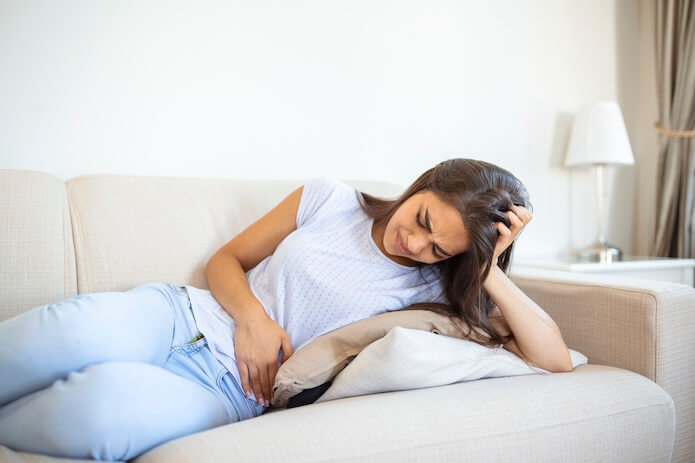
Coprostasis is a medical condition in which stool accumulates and hardens in the intestines, making it difficult to evacuate and causing constipation. It can cause discomfort and serious health problems if not treated properly. Coprostasis is often seen in the elderly, as well as in patients with chronic medical conditions that affect bowel function. Depending on the individual's lifestyle and diet, the prevalence of coprostasis can vary greatly.
What is coprostasis?
Coprostasis is a medical condition in which stool accumulates and hardens in the intestines, making it difficult to evacuate and causing constipation. It can cause discomfort and serious health problems if not treated properly. Coprostasis is often seen in the elderly, as well as in patients with chronic medical conditions that affect bowel function. Depending on the individual's lifestyle and diet, the prevalence of coprostasis can vary greatly.
Epidemiologically, coprostasis is associated with low fiber intake, insufficient physical activity, and high fat and sugar diets. This problem is common in both developed and developing countries and can affect people of any age, although it mainly affects older adults and inactive individuals. Coprostasis can have severe consequences if not diagnosed and treated in time, so it is important to understand its causes and symptoms.
Causes of coprostasis
The development of coprostasis can be related to various factors, including nutritional, medical, physiological and lifestyle aspects. A proper understanding of these factors can help prevent and treat this condition.
Nutrition and fluid intake
Nutritional factors play an important role in the development of coprostasis. Lack of dietary fiber is one of the main causes. Fiber helps soften stools and help them move through the intestines. Inadequate fluid intake can also contribute to coprostasis, as water is essential for softening stools and stimulating bowel movements. As a result of insufficient fluid intake, intestinal contents become harder and more difficult to pass, which can lead to constipation and coprostasis.
Medical conditions
Lifestyle factors
Lifestyle factors such as a sedentary lifestyle, stress and lack of sleep can also affect bowel function and contribute to coprostasis. Lack of physical activity can reduce gut motility, while stress and lack of sleep can affect hormonal balance, which in turn can affect gut health. Psychological stress can contribute to bowel disorders because it affects the autonomic nervous system, which regulates intestinal peristalsis.
Symptoms of coprostasis
The main symptoms of coprostasis are constipation, bloating and abdominal discomfort. Patients may also complain of abdominal pain, nausea and, in more severe cases, vomiting. Prolonged coprostasis can lead to serious health consequences such as intestinal perforation, malabsorption of nutrients and anorectal problems. Fecal impaction is a more severe form of coprostasis in which the stool forms a solid mass that is difficult or impossible to remove without medical intervention.
The severity of symptoms can vary depending on the duration and cause of coprostasis. For some patients, symptoms may be mild and short-lived, while for others they may be severe and long-lasting, significantly affecting quality of life. Therefore, it is important to recognize these symptoms early and seek medical help. In addition to the above symptoms, some patients may also experience loss of appetite, weight loss, and fatigue, which may be related to malabsorption of nutrients.
Diagnostic process
Diagnosis of coprostasis begins with a thorough physical examination and history taking. This helps the doctor identify possible causes and develop a suitable treatment plan.
Collection of anamnesis
Taking an anamnesis is an essential step in the diagnostic process. The doctor will discuss the patient's health history, medication use and lifestyle to identify possible causes. Lifestyle analysis can reveal nutritional deficiencies and lack of physical activity that can contribute to coprostasis. It is also important to assess the patient's psychological state, as stress and emotional disturbances can affect bowel function.
Imaging methods
In addition to a physical examination, imaging techniques such as x-rays and ultrasound can help assess bowel conditions and diagnose coprostasis. X-rays can reveal bowel obstructions or structural changes, while ultrasound can provide information about bowel motility and stool placement. In some cases, a colonoscopy may also be necessary to assess the internal state of the intestine in more detail and rule out other pathologies.
Treatment options
Lifestyle changes
Lifestyle changes are an essential element in the treatment and prevention of coprostasis. Increasing physical activity can improve bowel movements and help prevent constipation. Dietary adjustments, including fiber-rich foods and adequate fluid intake, can be very effective in the long-term solution. Some specific recommendations include regular walking, swimming, or other moderate-intensity physical activity. The diet should be enriched with fruits, vegetables, whole grain products and other fiber-rich foods. In addition, it is important to follow a regular meal schedule and avoid prolonged sitting to stimulate bowel movement.
Prevention and recommendations
Preventive measures such as regular exercise, a balanced diet and adequate fluid intake are essential to prevent coprostasis. Regular medical check-ups can help detect and treat any bowel disorders before they become a serious problem. Patients are advised to consult with a nutritionist to develop an individualized diet plan that promotes gut health. In addition, it is important to avoid excessive stress and ensure sufficient sleep, as these can significantly affect the functioning of the intestines.
Conclusions
Coprostasis is a serious condition that can significantly affect an individual's quality of life. Timely diagnosis and treatment are essential to prevent complications and improve the patient's health. Prevention, including a balanced diet and regular physical activity, is the main way to reduce the risk of coprostasis. Patients are advised to consult with medical professionals regularly to maintain optimal bowel health and prevent constipation. Additional attention should also be paid to psychological factors, such as managing stress and depression, which can affect bowel function. Informing the public about the causes of coprostasis and prevention options can also contribute to early recognition of the problem and effective treatment.