Lyme Disease: Warning Signs You Shouldn't Ignore
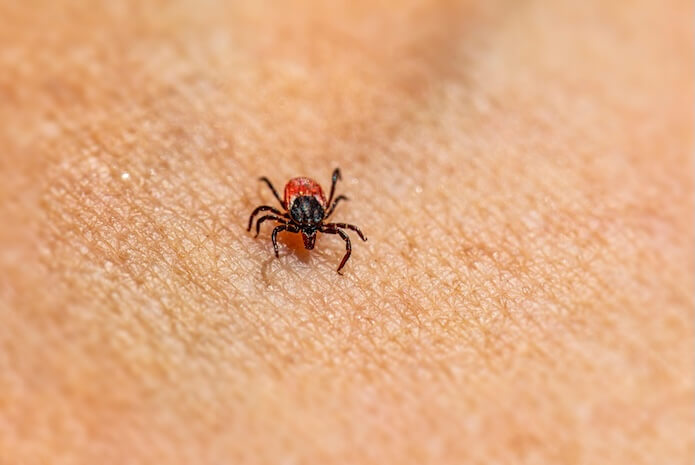
Lyme disease is an infectious disease caused by the bacteria Borrelia burgdorferi and transmitted by ticks. It is one of the most common tick-borne diseases in Europe and North America. Lyme disease can cause a variety of symptoms that can be easily confused with those of other diseases. Therefore, it is important to recognize the warning signals in time to prevent the progression of the disease and the development of complications.
Lyme disease is an infectious disease caused by Borrelia burgdorferi bacteria and transmitted by ticks. It is one of the most common tick-borne diseases in Europe and North America. Lyme disease can cause a variety of symptoms that can be easily confused with those of other diseases. Therefore, it is important to recognize the warning signals in time to prevent the progression of the disease and the development of complications.
Early recognition and treatment is essential to avoid chronic health problems that can occur if the disease is not properly treated. In this article, we will look at the causes of Lyme disease, early and advanced symptoms, diagnostic methods, treatment options, and prevention strategies. The goal is to raise awareness of the disease and help readers recognize warning signs to ensure timely medical intervention.
What is Lyme disease?
Lyme disease is a systemic infection caused by Borrelia burgdorferi bacteria. Its vectors are ticks that become infected by sucking blood from infected animals such as rodents and deer. Infected ticks can then transmit the bacteria to humans when they attach to the skin and start sucking blood.
Lyme disease was first discovered in 1975 in Lyme, Connecticut, USA, when an unusually high prevalence of joint inflammation in children was observed. Since then, Lyme disease has become a global health problem, especially in regions where ticks are active. The disease can manifest itself in different ways depending on the stage of its development, and it can affect the skin, joints, heart and nervous system.
Borrelia species
In Europe, Lyme disease can also be caused by others Borrelia species such as Borrelia afzelii and Borrelia garinii, which may cause slightly different symptoms. The prevalence and symptoms of these species may vary by geographic area. For example, Borrelia afzelii more often causes dermatological manifestations, on the other hand Borrelia garinii is more often associated with neurological complications.
The causative agents of Lyme disease
Lyme disease is caused when a person is infected with Borrelia burgdorferi bacteria that enter the body through a tick bite. These bacteria are spiral-shaped and able to move through tissue fluids, which allows them to spread throughout the body and affect various systems.
Ticks that carry Lyme disease often need a long period of sucking to transmit the infection, usually more than 24 hours. Therefore, early removal of ticks is very important to reduce the risk of infection. Ticks are active in the spring, summer and fall when they seek out hosts to suck blood.
Early warning signals
Early-stage symptoms of Lyme disease usually appear within days to weeks of a tick bite. Early recognition and treatment are critical to prevent disease progression.
Typical symptoms in the early stages
- Erythema migrans: This is the most common symptom of Lyme disease, which is a red rash around the tick bite. The rash often spreads to form a ring and may have a lighter area in the center. This form of rash is often referred to as a “bull's eye” rash.
- Fever and chills: patients may complain of mild fever and flu-like chills.
- Fatigue: observed that patients often experience unexplained fatigue and weakness.
Less known symptoms
- Headaches: Some patients may experience severe migraine-like headaches.
- Muscle and joint pain: the pain is often migratory, it can appear and disappear in different parts of the body.
- Swelling of lymph nodes: Sometimes people may notice swollen lymph nodes, especially around the neck and armpits.
Advanced symptoms of Lyme disease
If Lyme disease is not recognized and treated in its early stages, it can progress and lead to more serious health problems.
Neurological complications
- Facial paralysis: Lyme disease can cause paralysis of the facial nerve, which manifests as the inability to move one side of the face.
- Meningitis: inflammation in the lining of the brain and spinal cord can cause headaches, stiff necks, and increased sensitivity to light.
- Peripheral neuropathy: this condition can cause numbness, tingling or burning in the extremities.
Joint and heart problems
- Arthritis: Chronic inflammation of the joints can develop, especially in the knees, causing swelling and pain.
- Carditis: Lyme disease can cause inflammation of the heart, which can cause heart rhythm problems.
- Myocarditis and pericarditis: these conditions can cause chest pain and shortness of breath.
Chronic Lyme disease
Diagnostics and tests
Accurate diagnosis of Lyme disease is essential for successful treatment. It includes evaluation of clinical signs and laboratory tests.
Laboratory examinations
- ELISA tests: this test is used to detect the presence of antibodies against Borrelia burgdorferi in the body. It is the first choice because it is fast and relatively cheap.
- Western blot tests: a confirmatory test performed after a positive ELISA result to ensure the accuracy of the diagnosis.
Differential diagnosis
It is important to rule out other diseases with similar symptoms, such as rheumatic fever, rheumatoid arthritis, and multiple sclerosis, to ensure a correct diagnosis. This includes a thorough evaluation of the patient's history and symptoms, as well as other diagnostic tests, if necessary.
Treatment options
Antibiotic therapy
- Doxycycline: often prescribed for adults and children over 8 years of age. It is effective against most stages of Lyme disease.
- The duration of the course is usually from 10 to 21 days, depending on the stage of the disease and the severity of the symptoms. In severe cases, longer-term or intravenous therapy may be necessary.
Alternative treatment methods
- Symptomatic therapy: Anti-inflammatory drugs are used to reduce inflammation and pain. It helps reduce symptoms and improve quality of life.
- Rehabilitation: Physiotherapy may be needed to help restore movement and functionality, especially in cases with joint problems. This can include exercise, massage and other forms of therapy.
Prevention and protection
Prevention is essential to reduce the risk of Lyme disease, especially in areas where ticks are common.
Vaccination
There is currently no vaccine available for humans against Lyme disease, but research is underway that may offer vaccination options in the future. Vaccine development is difficult given the variety Borrelia species and their variability.
Insect repellents
- Repellents containing DEET: effective products that can be applied to the skin and clothing. They provide long-lasting protection against ticks.
- Permethrin: a product that can be used on clothing and shoes to repel ticks. It is particularly effective because ticks are killed on contact with treated clothing.
Behavior and clothing recommendations
- Clothing: wear light-colored clothing to help spot ticks. Long sleeves and trouser legs pulled over boots can help prevent ticks from reaching the skin.
- Checks: after spending time in nature, carefully check your body and clothing for ticks. Particular attention should be paid to places where ticks can easily hide, such as behind the ears, knees and armpits.
Tick removal technique
Proper tick removal is important to reduce the risk of infection. To remove a tick, use fine tweezers, grasp the tick as close to the skin as possible and pull it straight up, avoiding sudden movements. Then disinfect the bite site with alcohol or an antiseptic. Under no circumstances should oils or other agents be used, which may cause the tick to vomit and increase the risk of infection.
Conclusions
Supplementing the article with graphic materials, such as pictures of Lyme disease rashes or tick removal instructions, as well as real-life patient stories, could help readers better understand the information described. Including additional resources can make it easier for the reader to access more information or support if Lyme disease is suspected. Timely removal of ticks and monitoring your health after a tick bite are simple but effective measures that can prevent serious consequences.